








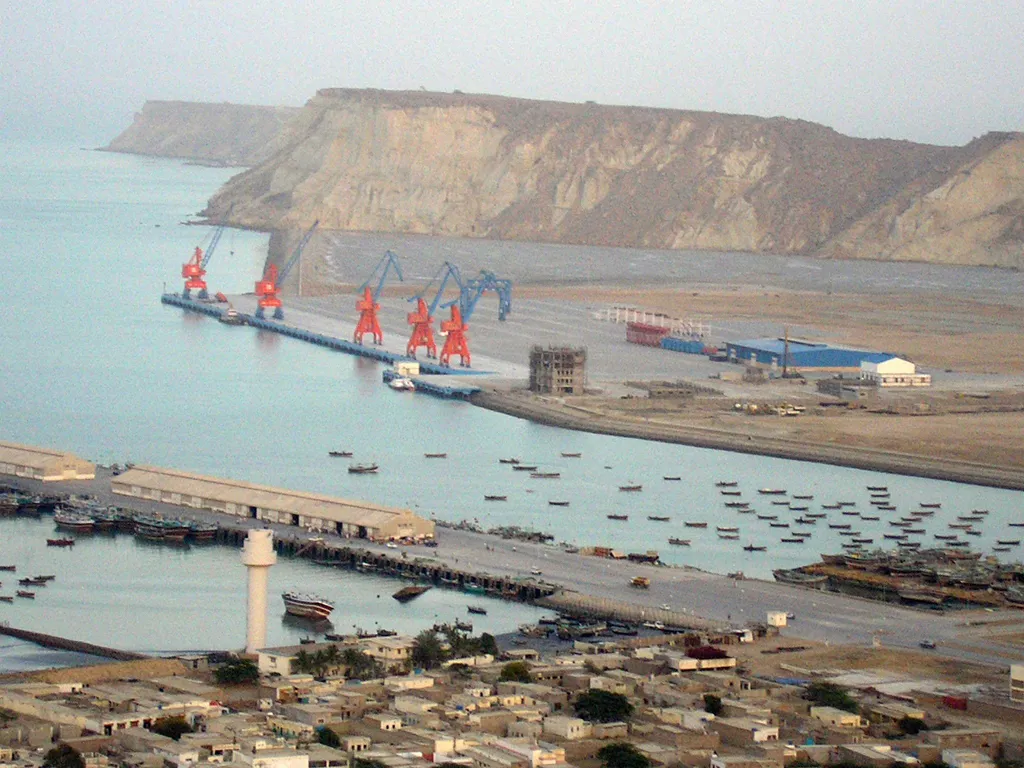
On April 13, 2026, Gwadar Port in Balochistan, Pakistan, is witnessing a surge in its global significance, as highlighted by Haji Muhammad Ayub Miryani, President of the Quetta Chamber of Commerce and Industry (QCCI). He emphasized that recent regional developments have elevated the port’s role in international trade.
Miryani called for the initiation of a ferry service from Gwadar to enhance domestic commerce and facilitate international trade. He also proposed extending the daily operating hours of the N-250 Ramdan-Gwadar business corridor from the current 18 hours to 24 hours, aiming to optimize trade efficiency.
Furthermore, Miryani urged for Gwadar to be granted TIR membership, which would ease international trade transport. He suggested allowing Afghan transit trade and providing transshipment facilities for Iranian investors, indicating a push for broader regional trade integration.
However, the security landscape in the region remains precarious. On the same day, three personnel of the Pakistan Coast Guard were killed in an attack by Baloch fighters near the Pakistan-Iran border. The Balochistan Liberation Army (BLA) claimed responsibility for this attack, marking a significant shift in their operational strategy towards maritime activities.
This incident represents the first attack on a patrol boat of the Pakistan Coast Guard, highlighting the evolving security challenges in Balochistan, where armed groups frequently target security forces. The BLA’s shift to maritime operations indicates a new phase in their military strategy, as stated by the group.
The attack underscores the ongoing security threats that could impact trade and investment in Gwadar, despite the port’s potential for economic growth. Immediate and effective steps are needed to capitalize on the broad trade opportunities available in Balochistan and the wider region, as emphasized by Miryani.
As Gwadar Port continues to develop, the balance between enhancing trade capabilities and addressing security concerns will be crucial for its future. Stakeholders are closely monitoring the situation, recognizing that the port’s success is intertwined with the region’s stability.