








Introduction
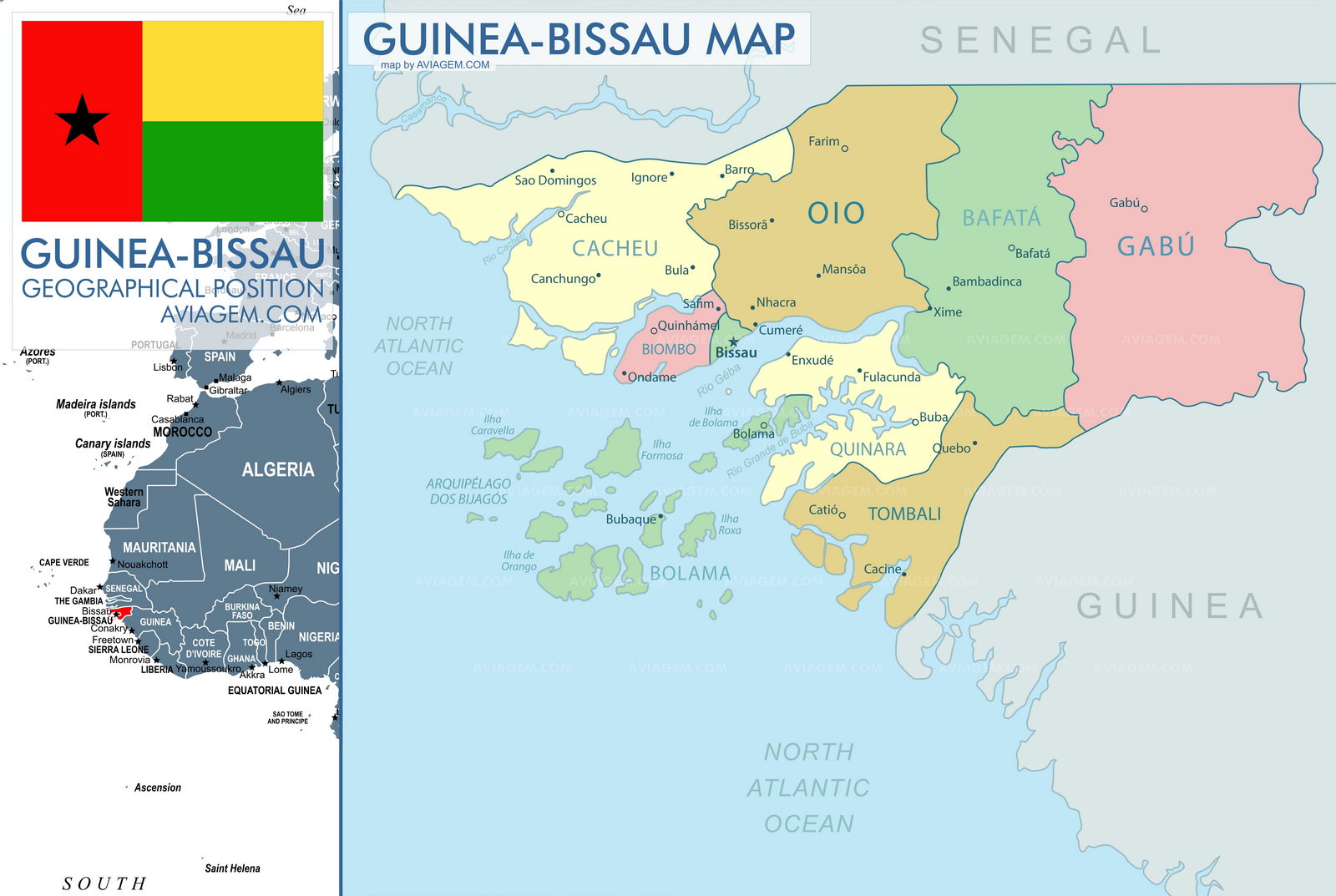
Guinea-Bissau, a small nation on the West African coast, is often overshadowed by its larger neighbours. This unique country, known for its rich cultural heritage, diverse ecosystems, and historical significance, has been garnering increased attention recently. Understanding Guinea-Bissau is crucial, not only to appreciate its vibrant history and culture but also due to its strategic role in regional dynamics, especially in ecological conservation and socio-economic development.
Recent Developments
In recent months, Guinea-Bissau has witnessed significant political developments. Following the election cycle in early 2023, both the administration and opposition have engaged in a dialogue aimed at stabilising the political landscape. International observers have noted that this political engagement is crucial for future governance and development. The country is also prepping for a planned visit from the United Nations Development Programme (UNDP) in December 2023, aiming to bolster initiatives focused on sustainable development and economic resilience.
Cultural Heritage
Guinea-Bissau is known for its rich cultural mosaic, influenced by various ethnic groups including the Balanta, Fula, and Mandinka. The nation is celebrated for its traditional music, notably the cultural festival, “Festival de Música da Guiné-Bissau”, which attracts artists and tourists from across the globe. Moreover, the Bijagós Archipelago, a UNESCO Biosphere Reserve, is crucial for biodiversity and local traditions. Efforts are ongoing to enrich eco-tourism in the region, offering a glimpse into the diverse flora and fauna, alongside unique cultural practices.
Economic Challenges and Opportunities
Despite potential, Guinea-Bissau faces numerous economic challenges, largely stemming from political instability and reliance on agriculture, especially cashew nuts, which account for over 80% of exports. The government has embarked on efforts to diversify the economy, focusing on sectors such as fishing and eco-tourism. Recent partnerships with international NGOs aim to enhance agricultural productivity and promote sustainable practices, suggesting a gradual shift towards a more resilient economy.
Conclusion
Guinea-Bissau, though often overlooked, is a nation filled with potential and rich in diversity. Its ongoing political reforms, cultural vibrancy, and economic ambitions signal a pivotal moment for the country. While challenges remain, the strides being taken towards stable governance and sustainable development offer hope for a brighter future. For readers, keeping an eye on Guinea-Bissau may reveal an emerging player in West Africa, poised to make its mark on the global stage.