






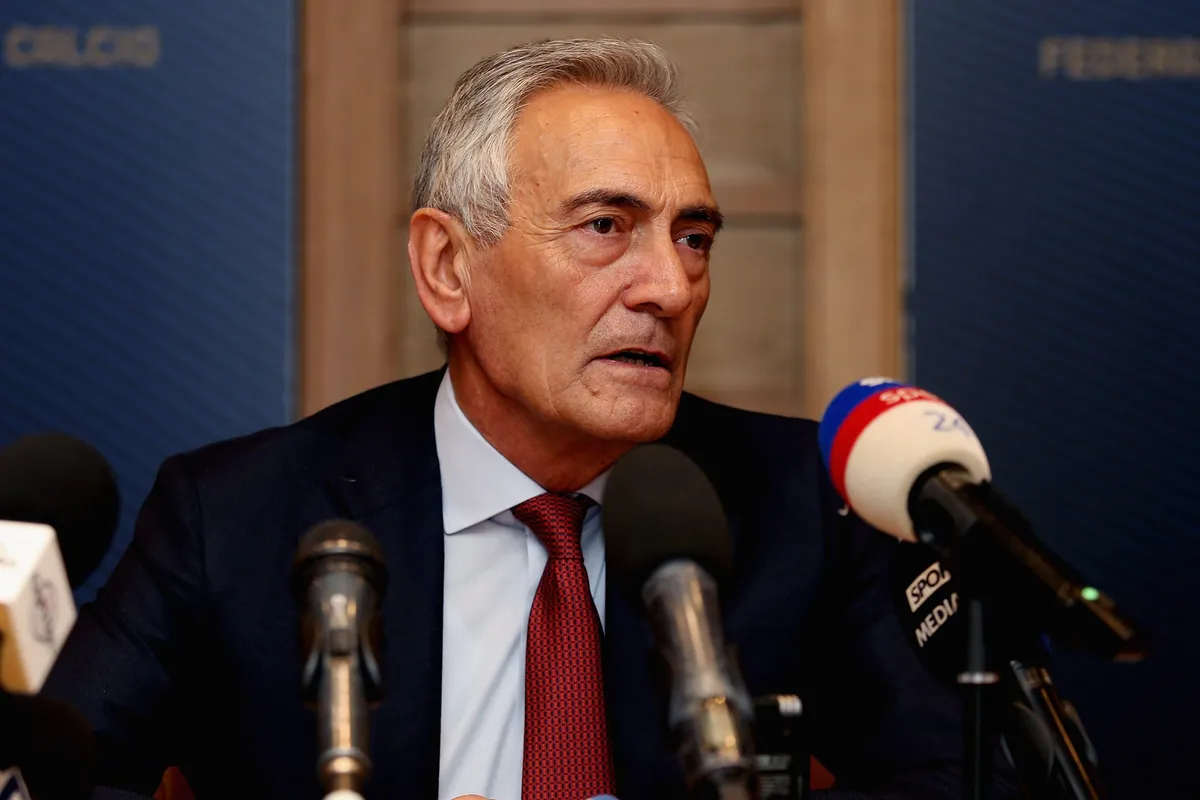
Before the recent developments, Gabriele Gravina had been serving as the president of the Italian Football Federation (FIGC) since October 2018, overseeing a period that included Italy’s triumphant victory in Euro 2020. However, expectations shifted dramatically as Italy’s national team faced a disappointing trend, failing to qualify for three consecutive World Cups: 2018, 2022, and now 2026.
The decisive moment came when Italy lost to Bosnia-Herzegovina in the play-off final, a match that ended in a 4-1 penalty shootout defeat. Following this setback, Gravina announced his resignation, stating, “After many years there is a feeling of great bitterness, but great serenity.” His departure marks a significant change in leadership at a time when Italian football is under scrutiny.
Gravina’s resignation was accompanied by the resignation of Gianluigi Buffon from his role as national team general manager, indicating a broader shake-up within the federation. An extraordinary assembly is scheduled for June 22 to elect a new FIGC president, highlighting the urgency for new leadership in Italian football.
Gravina’s current mandate began in February 2025 and was originally set to end in 2028. His tenure was marked by both triumph and turmoil, as he succeeded Carlo Tavecchio, who resigned after Italy’s failure to qualify for the 2018 World Cup. Gravina’s leadership saw Italy achieve success in Euro 2020, yet the recent failures have overshadowed these accomplishments.
In his resignation, Gravina expressed regret over comments made after the Bosnia defeat regarding the professionalism of football compared to other sports. Sports Minister Andrea Abodi echoed the sentiment that “Italian football needs to be rebuilt from the ground up,” emphasizing the need for a comprehensive overhaul.
As the FIGC prepares for a new chapter, the appointment of Gennaro Gattuso as head coach of the national team in June 2025 will be crucial. The upcoming election for a new president will likely set the tone for the future of Italian football, as stakeholders seek to restore the nation’s footballing prestige.
Gravina’s departure signals a pivotal moment for the FIGC and the Italy National Football Team, as they navigate through a challenging period in their history. The focus now shifts to the upcoming assembly and the potential for new leadership to bring about necessary changes.