








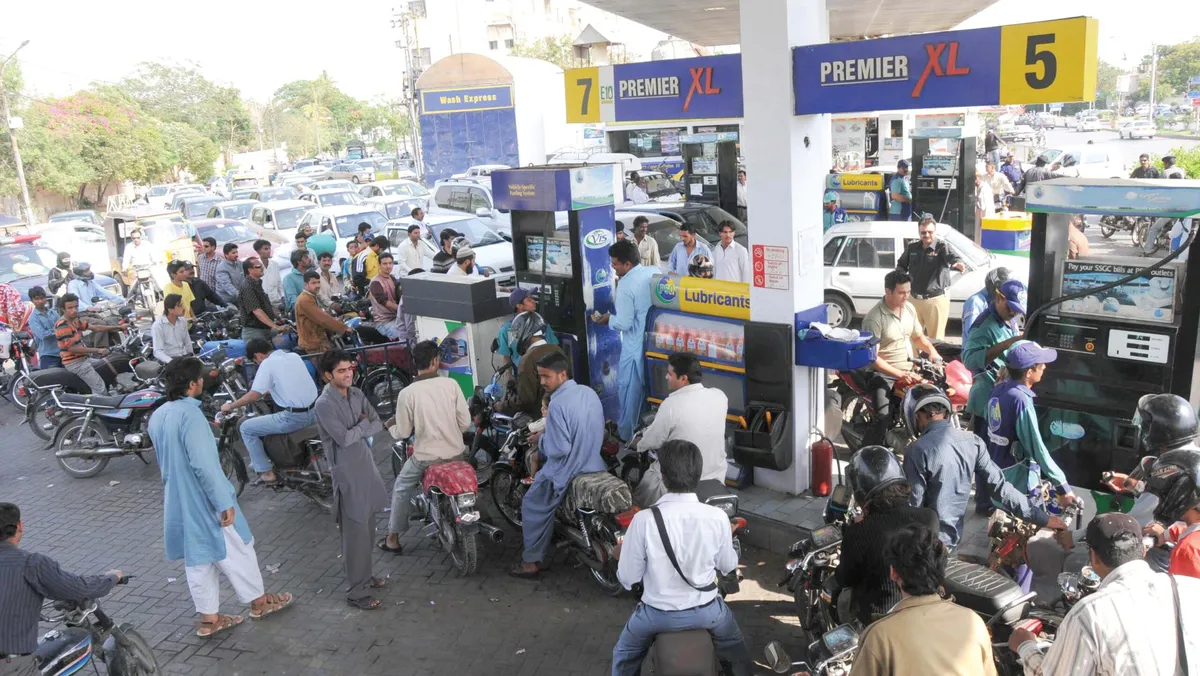
“Fuel is the lifeblood of the economy,” stated a representative from the Oil and Gas Regulatory Authority (OGRA) amid rising concerns over fuel pricing in Pakistan. As of March 2026, fuel prices have climbed beyond PKR 320 per liter, prompting significant changes in how fuel is distributed and priced across the country.
The current pricing structure applies the same rate per liter for all vehicles, regardless of their type or value. This has raised questions about fairness, particularly as the same price is charged for a small motorbike valued at around 20,000 rupees and a luxury vehicle like a Toyota Land Cruiser 300, which costs approximately 9.40 crore rupees.
In response to the escalating costs, SunExpress has announced a fuel surcharge of 10 euros per passenger, effective May 1, 2026. This decision reflects the broader impact of rising fuel costs on the airline industry.
To address economic disparities, the government is preparing to launch a quota-based fuel distribution system aimed at low-income motorists. This system will link vehicle-specific fuel quotas to a user’s Computerised National Identity Card and registration number, allowing for targeted subsidies while curbing overall consumption.
Authorities estimate that maintaining stable fuel prices has imposed a fiscal burden of about Rs70 billion. The proposed quota system is seen as a necessary step to alleviate some of this financial pressure, particularly as jet fuel prices have surged by approximately 150 percent since the escalation of hostilities in the region.
Additionally, petrol and diesel prices saw an increase of 55 rupees per liter on March 6, further complicating the economic landscape for consumers and businesses alike. The government’s efforts to implement a fair pricing system are ongoing, with discussions about whether the fuel quota scheme will be limited to motorcycles and rickshaws or expanded to include small cars.
Details remain unconfirmed regarding the final policy decision on the scope of the fuel quota scheme. However, the urgency of the situation is clear, as many citizens feel the strain of rising fuel costs in their daily lives.
As the situation develops, stakeholders are closely monitoring the impact of these changes on both the economy and the public’s access to affordable fuel.