









What observers say
“It has not just engulfed the entire region but the entire world as well,” stated Ali Pervaiz Malik, reflecting the widespread impact of the ongoing conflict in the Middle East on global energy supplies. This statement comes as Pakistan grapples with a significant increase in fuel prices, a move largely attributed to the disruptions in energy supplies caused by the regional turmoil.
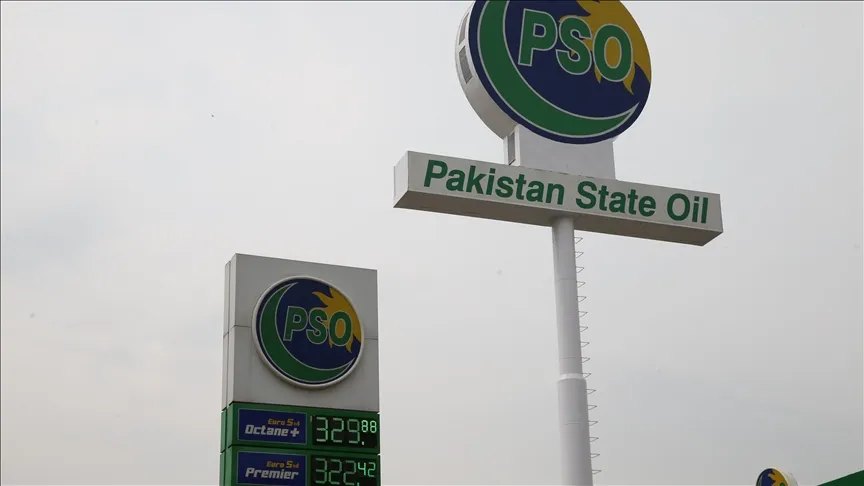
As of the latest update, the price of petrol in Pakistan has surged to 458.4 Pakistani rupees per liter, up from 321.17 rupees. This marks an increase of Rs137 per liter, or a staggering 43%. The price of high-speed diesel has similarly risen, now costing 520.35 rupees per liter, an increase of Rs185 or 55% from the previous price of 335.86 rupees.
The government has also raised the petroleum levy on petrol to a record Rs160.61 per liter. This decision follows a series of adjustments in fuel prices, with the cumulative increase in petrol price within the past month reaching 63%, while high-speed diesel prices have climbed by 75%.
These adjustments come as part of Pakistan’s commitment to the International Monetary Fund (IMF), with the government assuring that it stands ready to increase fuel prices in response to the global energy crisis. The IMF has been closely monitoring Pakistan’s economic policies, particularly in light of the ongoing challenges posed by external factors.
Energy prices have surged globally due to the ongoing war in the Middle East, which has disrupted traditional supply chains and led to increased costs for consumers worldwide. As countries scramble to secure energy resources, the ripple effects are being felt in markets far beyond the conflict zone.
In Pakistan, the rising fuel prices are expected to have a cascading effect on the economy, impacting transportation costs and ultimately consumer prices across various sectors. The government faces the challenge of balancing economic stability with the needs of its citizens, who are already feeling the pinch of rising living costs.
As the situation evolves, further adjustments to fuel prices may be anticipated, depending on the developments in the Middle East and the global energy market. Details remain unconfirmed regarding the long-term strategies the government may adopt to mitigate the impact of these price hikes on the populace.