









Impact of Fuel Price Increase
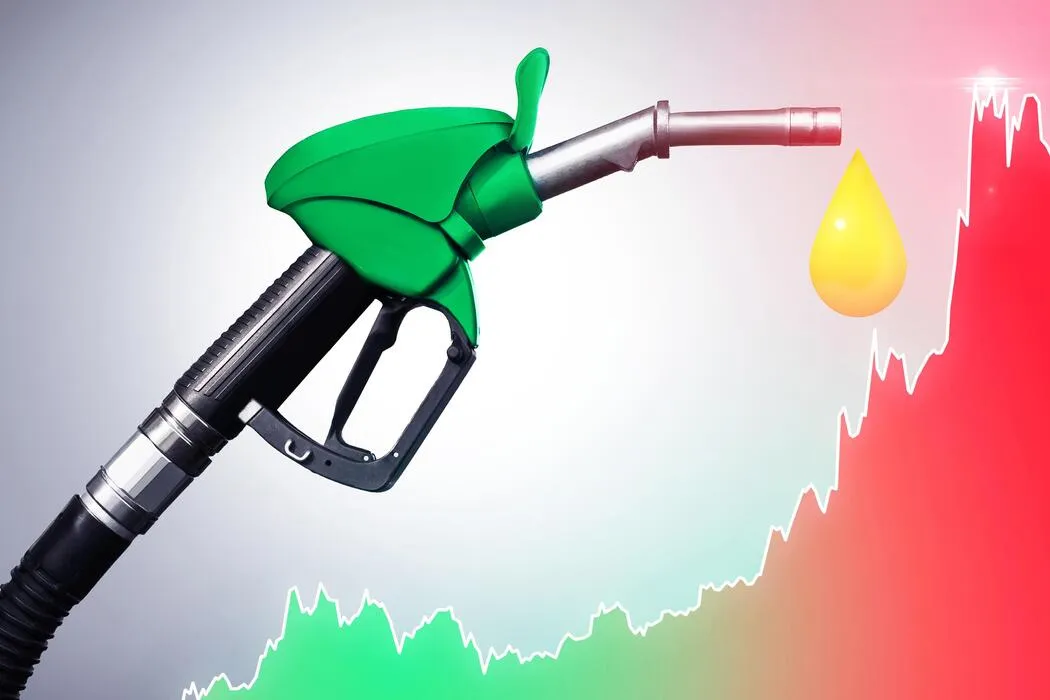
Pakistan has announced a substantial increase in fuel prices, raising both petrol and diesel by Rs. 55 per liter. This adjustment brings the current prices to Rs. 321.17 for petrol and Rs. 335.86 for diesel, reflecting the government’s response to escalating international fuel costs.
The price hike was confirmed by Finance Minister Muhammad Aurangzeb, Deputy Prime Minister Ishaq Dar, and Petroleum Minister Ali Pervaiz Malik. The adjustment comes as international petrol prices surged from approximately $78 per barrel to around $106.8 per barrel, while diesel prices have reached about $150 per barrel.
Ali Pervaiz Malik stated, “The decision we have made by changing the levy a little bit is that we are going ahead with increasing the price of both fuels, petrol and diesel, by Rs. 55 ($0.20).” This increase is attributed to the ongoing conflict in the Middle East, which has significantly disrupted global energy markets.
In response to the rising costs, the government has reduced the petroleum levy on high-speed diesel from Rs. 76.21 per liter to Rs. 55.20 per liter. This move aims to mitigate the impact of rising fuel prices on consumers while ensuring that the government can maintain some revenue from fuel sales.
Pakistan’s reliance on imported fuel to meet its energy needs makes it particularly vulnerable to fluctuations in international markets. The government is actively working with international partners to secure additional energy supplies to stabilize the situation.
Furthermore, the government plans to review petroleum prices more frequently, potentially on a weekly basis, to better respond to ongoing market changes. Muhammad Aurangzeb emphasized the importance of maintaining adequate energy stocks and macroeconomic stability, stating, “Pakistan currently maintains adequate energy stocks and macroeconomic stability.”
However, the situation remains precarious. The crisis has affected Pakistan’s gas supply arrangements, prompting the government to direct provincial authorities to take strict action against hoarding of petroleum products.
As the region continues to face instability, the fundamental issue remains: “The fundamental issue we face is that we do not know how long this crisis will persist,” noted Ali Pervaiz Malik. Details remain unconfirmed regarding the duration of the crisis and its long-term effects on fuel prices.