






“The government took the decision to increase prices after resisting the rise during the past three weeks when it first raised prices by ₹55 soon after the war started,” stated Khurram Shehzad, reflecting the difficult choices faced by governments in the region.
The increase in fuel prices in Pakistan, which saw petrol prices rise by 43% and high-speed diesel prices by 55%, is a direct response to escalating global oil prices amid the ongoing U.S.-Israel conflict with Iran. Petrol prices in Pakistan surged by ₹137.23 per litre, reaching ₹458.41, while high-speed diesel prices increased by ₹184.49 per litre to ₹520.35.
Ali Pervaiz Malik, Pakistan’s Petroleum Minister, emphasized that “the objective was to restrict subsidies to the most deserving segments while maintaining fiscal discipline and preserving economic stability.” This statement underscores the balancing act governments must perform in managing public sentiment and economic realities.
The adjustments in fuel prices also included a kerosene price increase of ₹34.08 per litre, bringing it to ₹457.80. Furthermore, the government adjusted the petroleum levy rates, raising the levy on petrol to ₹160 per litre from ₹105, while eliminating the levy on diesel entirely.
Despite the significant price hikes, the government of Pakistan recorded an 8% increase in petrol consumption and a 13% increase in high-speed diesel consumption last month, indicating a complex relationship between fuel prices and consumption patterns.
In an effort to mitigate the impact on the most vulnerable, the government announced a ₹100 per litre subsidy for motorbike owners for up to 20 liters per month and a one-time subsidy of ₹1,500 per acre for small farmers during the harvest season.
The decision to increase fuel prices came after the government had resisted price hikes for three weeks, reflecting the pressures of rising global oil prices. Prior to this increase, the government had provided a ₹129 billion subsidy on petroleum products, highlighting the financial strain of maintaining lower prices.
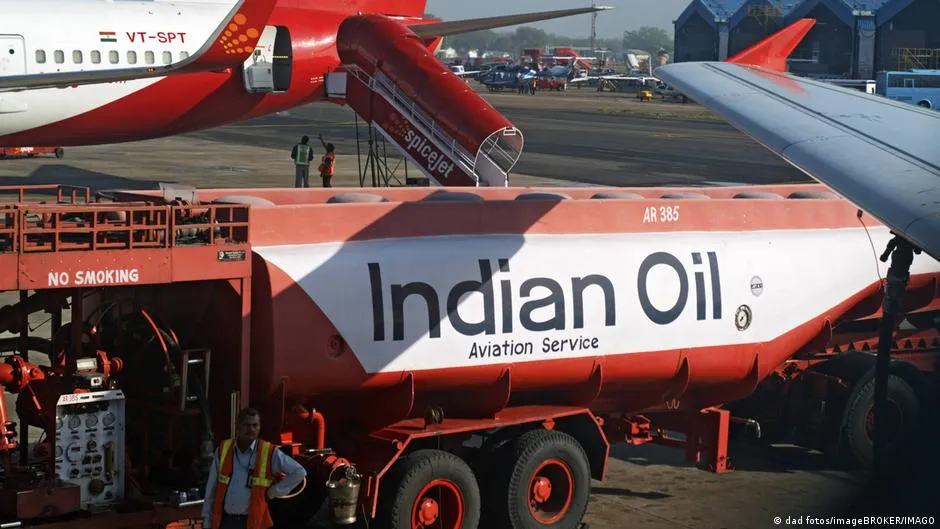
As the situation develops, the implications of these price increases may extend beyond Pakistan, potentially influencing fuel prices in India and other neighboring countries. Details remain unconfirmed regarding any immediate changes in fuel pricing strategies in India.