









Introduction
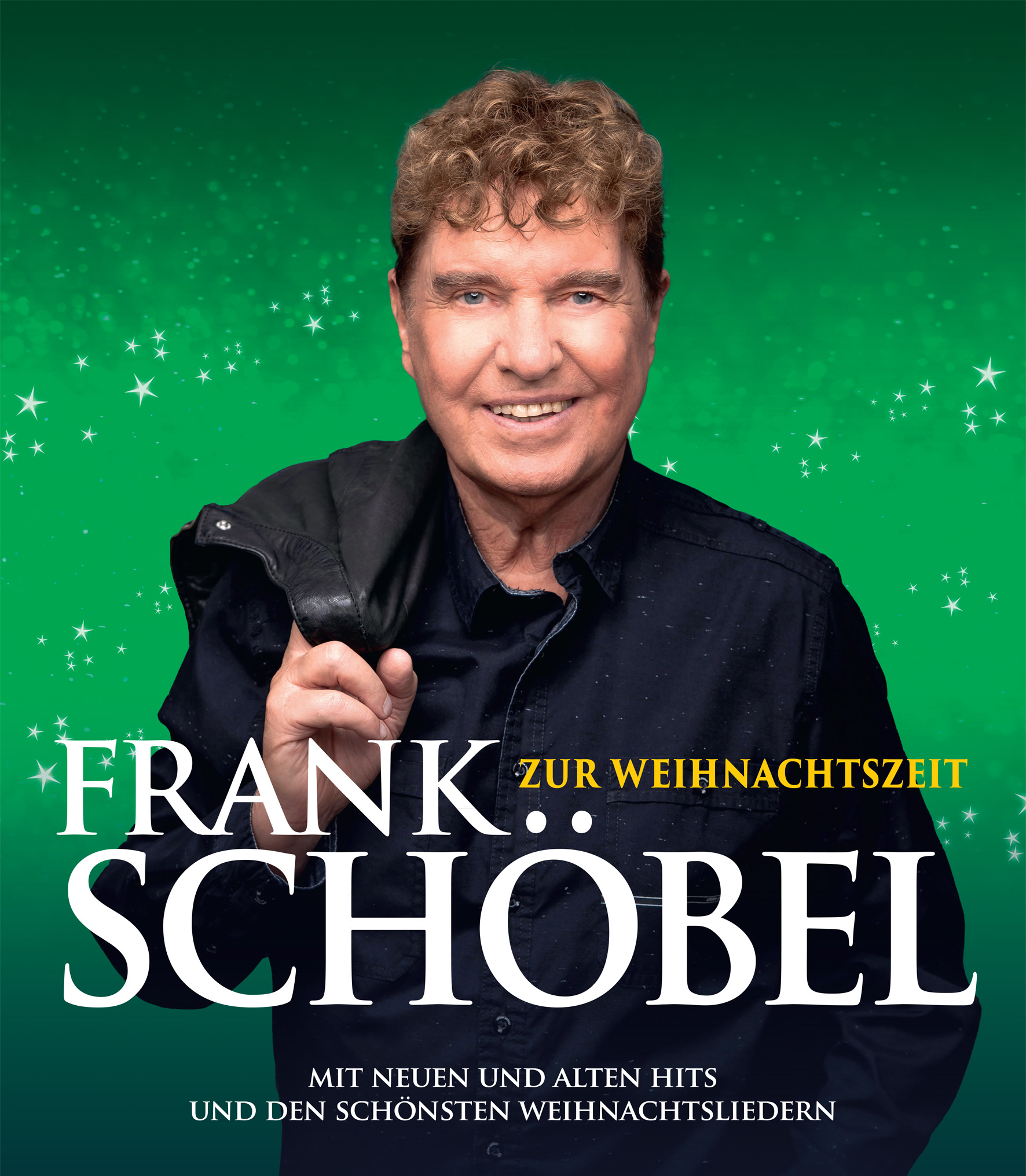
Frank Schöbel is a name synonymous with music and culture in East Germany. As one of the most beloved pop singers from the German Democratic Republic (GDR), his impact on the music scene has been profound. Schöbel’s timeless classics continue to resonate with audiences, reflecting the unique social and historical context of East Germany.
Early Life and Career
Born on December 15, 1942, in Berlin, Frank Schöbel’s ascent into the world of music began in the 1960s. His career took off after he was discovered by GDR record producers who were looking to create a unique musical identity for the country. Embodying the spirit of his era, his music often contained themes of love, everyday life, and the experiences of the East German people.
Musical Achievements
Schöbel released numerous albums throughout the 1960s and 1970s, becoming one of the top-selling artists in East Germany. His songs like “Wie ein Stern” and “Das ist die Liebe” became anthems that captured the hearts of many. Additionally, his performances were often broadcasted on national television, solidifying his status as a cultural icon.
Impact on Culture
Beyond music, Frank Schöbel played a significant role in East German culture by participating in various television shows, plays, and family entertainment – one of which was the popular show “Ein Kessel Buntes.” His ability to connect with audiences of all ages made him one of the most versatile artists of his time.
Legacy and Recent Developments
After the reunification of Germany, Schöbel continued to perform, adapt to the changing music landscape, and engage with audiences both in Germany and abroad. In recent years, he has embraced social media, allowing a new generation to discover his music. His continued relevance underscores the lasting power of his artistry.
Conclusion
Frank Schöbel is more than just a musician; he is a cultural symbol of East Germany’s rich artistic history. As the music and memories of the GDR fade into history, Schöbel’s songs remain a testament to the experiences and feelings of a unique era. For those interested in understanding East German heritage, exploring Frank Schöbel’s work is essential and offers insights into a time that shaped modern German identity.