









Introduction
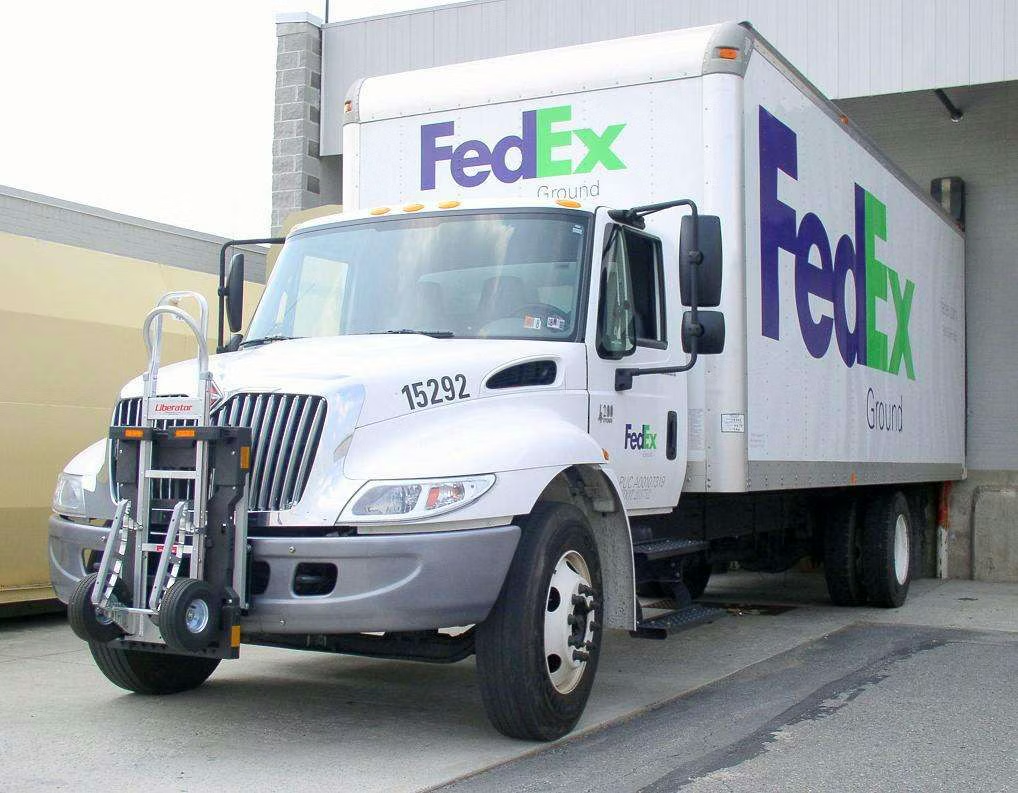
In an era where e-commerce continues to rise at an unprecedented rate, the logistics industry plays a crucial role in connecting businesses with consumers. FedEx, one of the world’s leading courier delivery services companies, is responding to this ever-increasing demand for seamless delivery solutions by expanding its operations globally. This development is significant as it underscores the importance of logistics in supporting economic recovery and sustaining the retail sector.
Recent Developments
As of October 2023, FedEx has announced its plans to invest over $2 billion in enhancing its operational capabilities. This investment will focus on upgrading existing facilities, expanding capacity, and improving the efficiency of its global supply chain network. The decision comes in light of the soaring demand for faster and more reliable shipping services, particularly in the wake of the pandemic, which accelerated the shift toward online shopping.
Furthermore, FedEx has recently launched its new automated sorting systems in key hubs across the United States. These state-of-the-art sorting technologies will significantly enhance package handling speeds, allowing the company to promise quicker delivery times to customers.
Environmental Initiatives
Apart from expanding its infrastructure, FedEx is also committed to sustainability. The company aims to achieve carbon neutrality by 2040 and is actively exploring alternative fuel vehicles and sustainable energy sources for its operations. This dual investment strategy not only caters to the growing demand but also addresses environmental concerns, making FedEx a frontrunner in responsible logistics.
Conclusion
The steps taken by FedEx to expand its operations reflect a strategic response to the complexities of modern-day logistics and the growing expectation for speedy delivery. As FedEx enhances its facilities and embraces sustainable practices, it positions itself not only as an industry leader but also as a key player in addressing the evolving needs of global commerce. For consumers and businesses alike, these developments signify a future where logistics is not just about moving packages but doing so efficiently and responsibly.