









Introduction
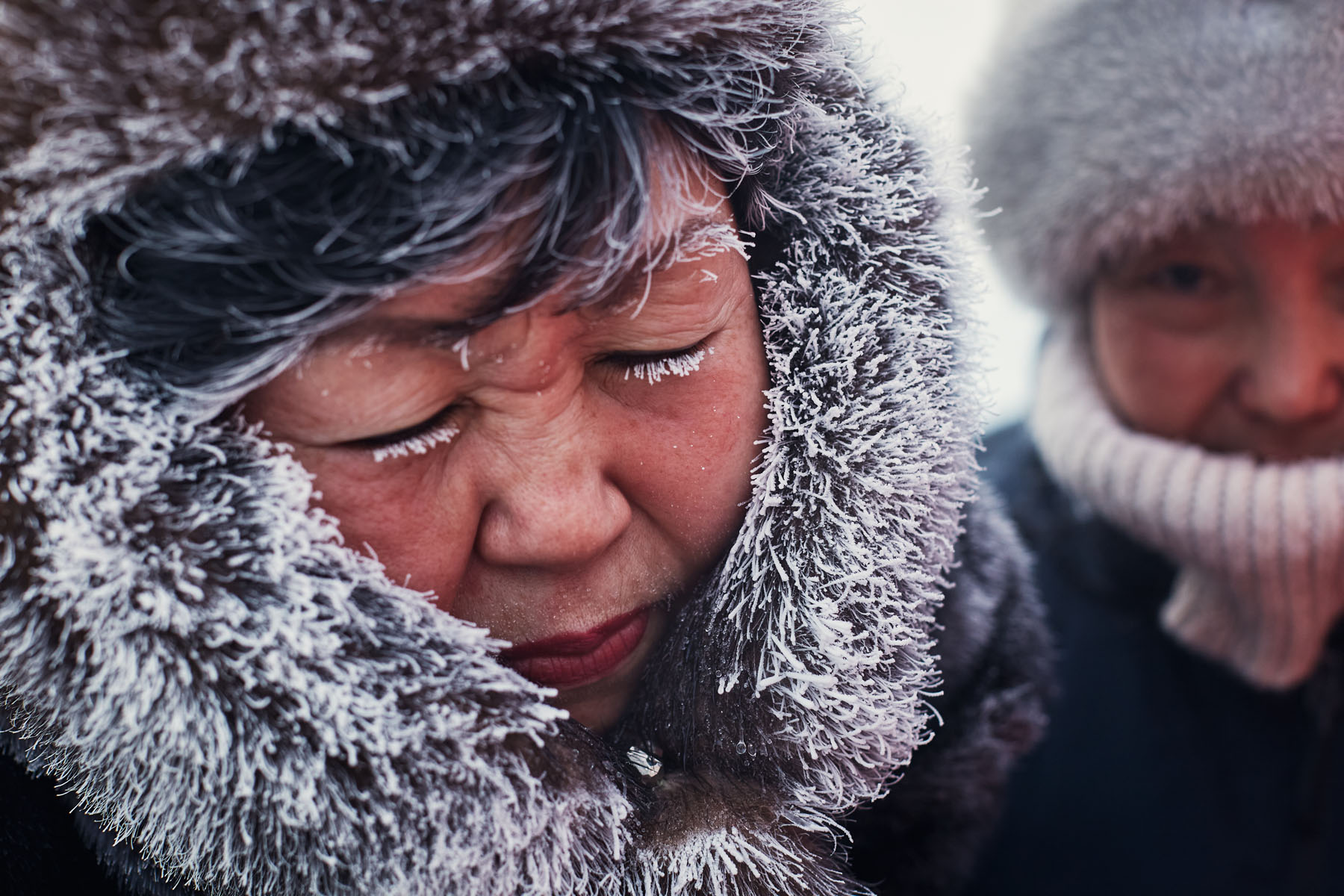
Yakutsk, the capital city of the Sakha Republic, Russia, holds the title of the coldest city on Earth, with winter temperatures plummeting to a chilling -40°C in January. Its extreme climate shapes not only the daily lives of its residents but also contributes to its unique cultural richness and economic resilience. As we experience a growing interest in climate change and its effects on human habitats, Yakutsk offers a remarkable case study of adaptation and endurance.
Geographical Context and Climate
Located along the banks of the Lena River, Yakutsk is situated approximately 4,800 kilometres east of Moscow and is surrounded by vast frozen landscapes. The city experiences a subarctic climate with long, harsh winters and short summers. Despite the severe cold, residents participate in various outdoor activities, from ice fishing to winter sports, showcasing their ability to embrace the frigid conditions.
Cultural Significance
Yakutsk is not only notable for its extreme climate but also for its rich cultural heritage. The indigenous Sakha people, known for their horsemanship and reindeer herding, form a significant part of the city’s population. Festivals such as the Ysyakh summer solstice celebration highlight the cultural resilience of the Sakha, featuring traditional music, dances, and rituals. This celebration not only emphasises local customs but also attracts tourists eager to experience Yakutsk’s distinctive traditions.
Economic Adaptation
The economy of Yakutsk relies heavily on natural resources, including diamond mining and coal extraction. Underground heating systems are a common feature of buildings, and significant investment in infrastructure ensures that the city remains functional despite the extreme weather conditions. In recent years, Yakutsk has also focused on diversifying its economy, looking towards tourism and education to create sustainable growth.
Challenges and Innovations
While Yakutsk showcases remarkable adaptability, it faces significant challenges, including climate change which threatens to alter its frozen landscape. Increasing temperatures pose risks such as melting permafrost, impacting infrastructure and traditional ways of life. In response, the local government and scientists are exploring innovative solutions to mitigate these effects and preserve Yakutsk’s unique way of life.
Conclusion
Yakutsk stands as a testament to human resilience and cultural richness in the face of extreme adversity. As climate changes continue to unfold globally, the city’s experiences may provide valuable insights for other cold regions. The unique blend of cultural heritage, economic adaptation, and innovative responses to challenges make Yakutsk a significant focal point in discussions about sustainability and climate resilience in the 21st century.