









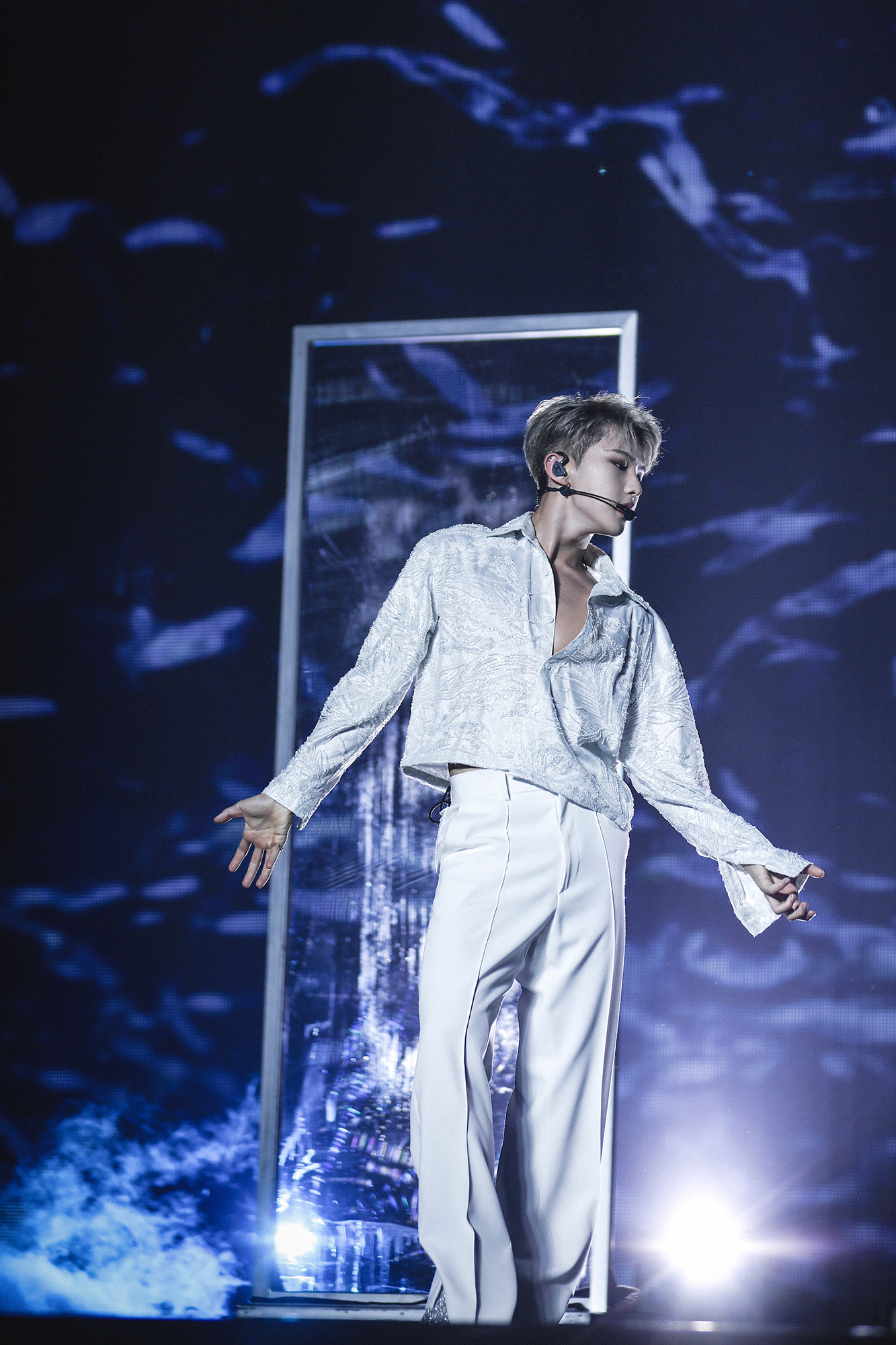
Introduction to Weverse
Weverse, launched in 2019 by the South Korean company Big Hit Entertainment, is an innovative community platform designed to foster closer connections between artists and their fans. With the rapid rise of digital communication, especially in the wake of the COVID-19 pandemic, platforms like Weverse play a crucial role in maintaining relationships between fans and their favourite musicians, especially those in the K-pop industry.
The Functionality of Weverse
Weverse offers a multitude of features that allow for interactive communication. Users can follow their favourite artists, share posts, and comment in real-time on content shared by the groups. This platform bridges the gap between artists and their fanbases, enabling a two-way conversation. Notably, Weverse also hosts exclusive content such as behind-the-scenes footage, live performances, and fan meetings, enhancing the overall fan experience.
In addition to its K-pop roots, Weverse has expanded its offerings to include various international artists, making it a global hub for music fans. As of October 2023, notable groups such as BTS, TXT, and ENHYPEN actively use Weverse to engage with their millions of followers worldwide. The platform has also integrated a shopping section, allowing users to purchase merchandise seamlessly.
Recent Developments and Events
In recent months, Weverse has seen significant updates and enhancements. For instance, the introduction of a tiered membership system has allowed fans to choose levels of interaction with their favourite artists, granting them access to exclusive content and experiences. Furthermore, in April 2023, Weverse announced a partnership with several major international touring companies, expanding its reach concerning concert streaming and dolling out fan services.
The Future of Weverse
As the platform continues to grow, analysts predict that Weverse will solidify its position as a leading community platform in the entertainment industry. The rise of the digital world suggests that fan communities will rely increasingly on versatile platforms that foster engagement. With its commitment to providing innovative experiences, Weverse is likely to expand its functionalities and attract more global users in the coming years.
Conclusion
In summary, Weverse represents a significant evolution in how artists and fans interact in the digital age. Given its growing popularity and continual enhancements, it underscores the importance of community in entertainment and looks poised to remain a vital connector of artists and their passionate fanbases. As Weverse evolves, fans can expect an even more engaging and personalized experience that will enrich their connection to the music and artists they love.