









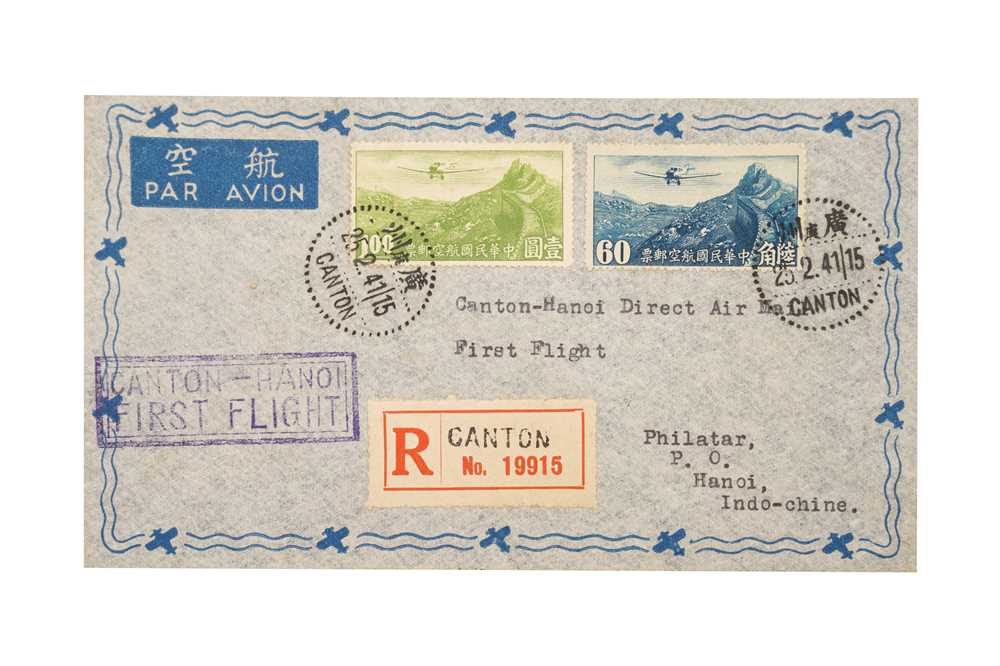
The Importance of Vietnam in Today’s Global Context
Vietnam, a rapidly developing nation in Southeast Asia, has become increasingly relevant on the world stage. Known for its rich history, stunning landscapes, and vibrant culture, Vietnam is not only a popular tourist destination but also an emerging economic powerhouse. As global interest in Southeast Asia grows, understanding Vietnam’s significance becomes vital for travelers, investors, and policymakers alike.
A Brief Overview of Vietnam
Vietnam shares borders with China to the north, Laos and Cambodia to the west, and is surrounded by the South China Sea to the east. Its long and varied history dates back thousands of years, marked by periods of foreign domination and vibrant local cultures. Today, it boasts a population of approximately 98 million and a mix of traditional and modern influences.
Tourism and Cultural Richness
In recent years, Vietnam has seen a significant rise in tourism. The country is renowned for its natural beauty, with landmarks such as Ha Long Bay, a UNESCO World Heritage site famous for its emerald waters and thousands of limestone islands. Cities like Hanoi and Ho Chi Minh City offer a blend of French colonial architecture, ancient temples, and bustling markets, showcasing the diversity of Vietnamese culture.
Moreover, Vietnamese cuisine has gained international acclaim. Dishes like Pho and Banh Mi are beloved by food enthusiasts worldwide, making the culinary experience an essential part of any visit.
Economic Growth and Global Relations
Economically, Vietnam has been one of the fastest-growing countries in Southeast Asia. Recent reports indicate that the nation’s GDP growth rate was around 6.5% in 2023, reflecting its burgeoning manufacturing industry and increasing foreign investments. This growth trajectory has spurred diversification in its economy, moving from agriculture to technology and manufacturing.
Vietnam is also a member of various international economic forums, including ASEAN and APEC, and has established trade agreements with countries worldwide, positioning itself as a strategic hub for global trade.
Conclusion: The Future of Vietnam
As Vietnam continues to develop, it stands at the crossroads of tradition and modernity, presenting opportunities for cultural exchange, tourism, and business. For travellers, Vietnam offers a tapestry of experiences that showcase its rich heritage alongside its aspirations for the future. With ongoing investments in infrastructure and a commitment to sustainable growth, Vietnam is poised to become an even more significant player on the global stage. With its unique blend of history, culture, and economic promise, understanding Vietnam’s dynamics will be increasingly important for various stakeholders.