








Introduction
Namibia, located in Southern Africa, is a country known for its remarkable landscapes, diverse wildlife, and rich cultural heritage. As one of the most stable nations in Africa, it boasts thriving tourism and economic sectors, making it a significant player on the continent. Its unique geography and vibrant cultures make Namibia an increasingly relevant destination for travellers seeking adventure and authenticity.
Geographical Wonders
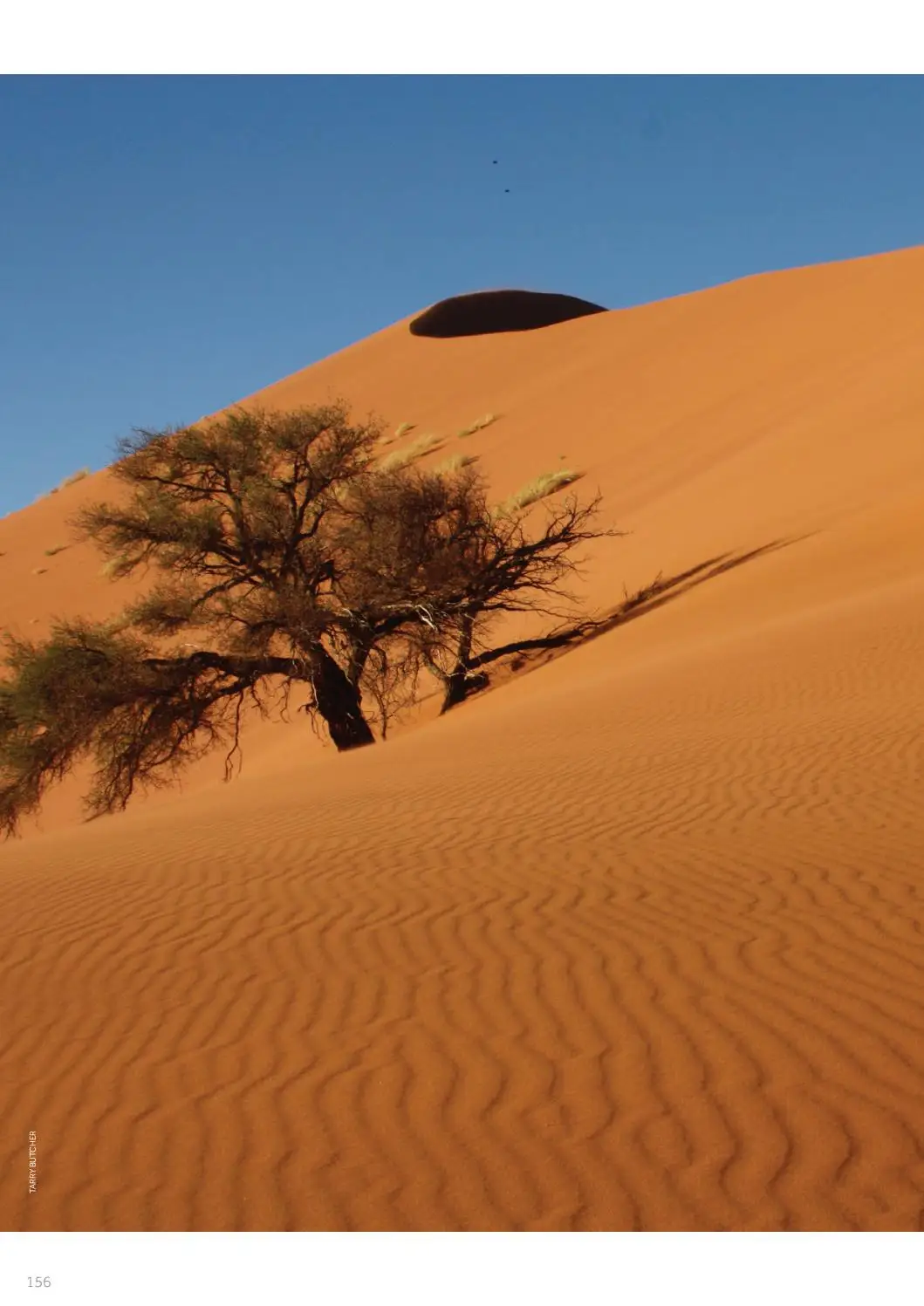
Namibia is home to some of the most breathtaking natural phenomena in the world. The Namib Desert, renowned for its towering sand dunes, is one of the oldest deserts on the planet. Dune 45, located in the Sossusvlei area, attracts photographers and adventurers alike. The Fish River Canyon, one of the largest canyons in the world, offers stunning vistas and hiking opportunities for outdoor enthusiasts.
Cultural Heritage
Namibia is rich in cultural diversity, with a blend of indigenous groups including the Himba, Herero, and San people. Each culture contributes to the country’s unique mosaic through traditional music, art, and festivals. The capital city, Windhoek, serves as a cultural hub where visitors can experience local cuisine and crafts, alongside modern dining and entertainment.
Wildlife and Conservation
Another significant aspect of Namibia is its commitment to wildlife conservation. The country has established numerous national parks, including Etosha National Park, which hosts a variety of wildlife, such as elephants, lions, and endangered species like the black rhinoceros. Namibia’s community-based conservation approach allows locals to manage wildlife sustainably, benefiting both the environment and the economy.
Economic Development
Tourism is a major economic driver in Namibia, attracting visitors seeking to experience its natural beauty and wildlife. In recent years, initiatives have been taken to promote eco-tourism and sustainable practices, spotlighting the importance of preserving the environment for future generations. Furthermore, Namibia’s mining sector, particularly in uranium and diamonds, remains a crucial component of its economic landscape.
Conclusion
Namibia stands out as a treasure trove of natural wonders, diverse cultures, and sustainable practices. With its ongoing advancements in tourism, environmental protection, and economic development, Namibia is poised to enhance its significance in both the African context and the global community. Travellers and investors alike are encouraged to explore this remarkable nation, which offers endless opportunities for adventure and engagement with its rich heritage.