








Introduction to Merino Wool
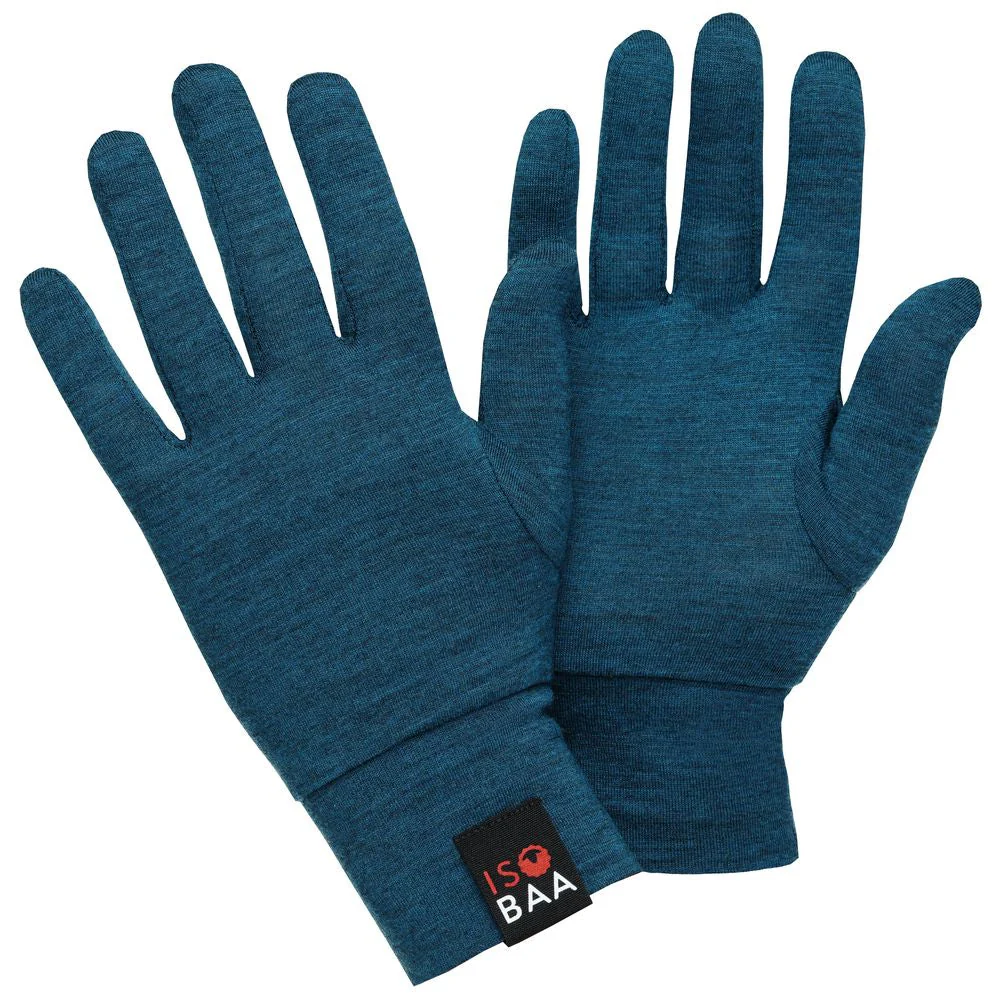
Merino wool, sourced from the regal Merino sheep, has gained immense popularity globally due to its remarkable attributes. This fine wool is not only warm and soft but also breathable and moisture-wicking, making it an ideal choice for clothing. As sustainability becomes a pivotal concern in the fashion industry, merino wool emerges as an eco-friendly alternative, offering consumers both luxury and responsibility.
The Benefits of Merino Wool
One of the defining characteristics of merino wool is its superior softness compared to regular wool, often described as itch-free. This quality makes it an excellent option for both base layers and outerwear. Furthermore, merino wool has natural insulating properties, allowing wearers to stay warm in winter while remaining cool in summer due to its ability to regulate temperature. It is also highly breathable, which facilitates moisture management, keeping the skin dry during physical activities.
Environmental Impact and Sustainability
Sourced from sheep that graze on natural pastures, merino wool is a renewable resource. The production process requires significantly less water compared to synthetic fabrics, and it will biodegrade naturally at the end of its life cycle, reducing landfill waste. Recent studies show that merino wool has a low carbon footprint, making it a sustainable choice for eco-conscious consumers. Companies are increasingly adopting responsible sourcing practices to ensure that their merino wool comes from farms that prioritise animal welfare and ecological health.
Recent Trends and Fashion Influence
The rise of athleisure and outdoor fashion has catapulted merino wool into the spotlight. Brands such as Icebreaker and Smartwool have popularised merino clothing for outdoor explorers and urban dwellers alike. As more consumers seek versatile clothing that transitions from active to casual settings, merino wool offers an attractive option. Recent fashion shows and exhibitions have highlighted this fabric, showcasing its adaptability in both functional and stylish designs.
Conclusion
Merino wool stands at the intersection of luxury, comfort, and sustainability. As awareness about eco-friendly materials continues to grow, the demand for merino products is expected to rise. For consumers, choosing merino wool not only enhances their wardrobe with versatile and high-quality pieces but also supports sustainable practices in the fashion industry. In the years to come, merino wool is likely to solidify its status as a must-have material for fashion enthusiasts and conscious shoppers alike.