









Introduction
Hokkaido, the northernmost of Japan’s major islands, is a treasure trove of natural beauty and rich culture, making it a significant destination for both locals and international tourists. Known for its stunning landscapes, skiing resorts, and unique flora and fauna, Hokkaido plays a vital role in Japan’s tourism strategy. With the ongoing efforts to promote sustainable tourism and showcase its indigenous heritage, Hokkaido continues to surge in popularity, particularly among adventure seekers and nature lovers.
Key Attractions and Events
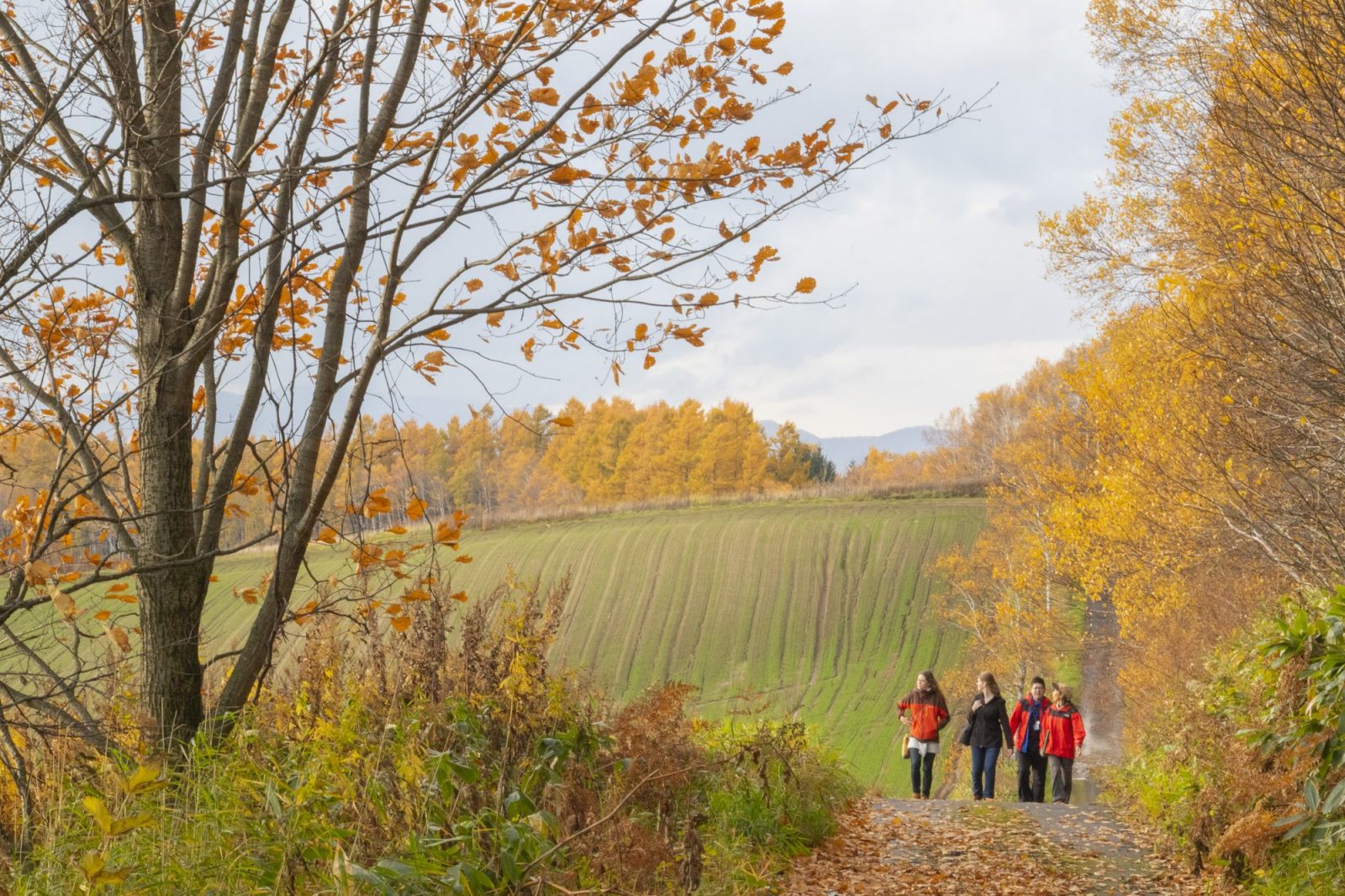
Hokkaido is home to the iconic ski resort towns of Niseko and Furano, which attract thousands of visitors every winter. Known for their powder snow and vast skiing terrains, these resorts are gearing up for the upcoming winter season, with many new amenities and updated facilities to enhance visitor experiences. Beyond winter sports, tourists can also enjoy the cherry blossoms in spring and the vibrant autumn foliage, particularly in national parks like Daisetsuzan.
The Sapporo Snow Festival, held annually in February, is a major highlight of Hokkaido’s winter calendar. It showcases impressive snow and ice sculptures, drawing crowds from across Japan and beyond. In summer, the lavender fields of Furano and the picturesque scenery of Shiretoko National Park become focal points for visitors, offering stunning views and opportunities for hiking.
Economic Impact and Sustainability
The tourism sector in Hokkaido contributes significantly to the local economy. According to the Hokkaido Government, tourism expenditure reached approximately 1.5 trillion yen in 2022, showcasing a steady recovery post-pandemic. However, the rise in tourist numbers has raised concerns regarding environmental sustainability. In response, local authorities have initiated various programs aimed at preserving Hokkaido’s natural resources while promoting eco-friendly practices among visitors.
Conclusion
As Hokkaido continues to develop its reputation as a premier travel destination, it remains crucial for stakeholders to balance economic growth with environmental preservation. Looking ahead, Hokkaido’s unique offerings – from its winter sports to its seasonal flowers – are poised to attract even more visitors. With strategic planning and sustainable practices, Hokkaido can ensure its natural beauty and cultural heritage endure for generations to come. For potential visitors, this vibrant and diverse island promises an unforgettable experience, rich in discovery and adventure.