








Introduction
Antwerp, often celebrated as the diamond capital of the world, is a city that holds considerable significance in both Belgium and Europe. Known for its rich history, thriving culture, and economic prowess, Antwerp is a magnet for tourists, business professionals, and art enthusiasts alike. In recent years, the city has seen a resurgence in interest due to its historical charm paired with modern developments, making it an essential topic of discussion for those interested in urban culture and European history.
Cultural Heritage and Attractions
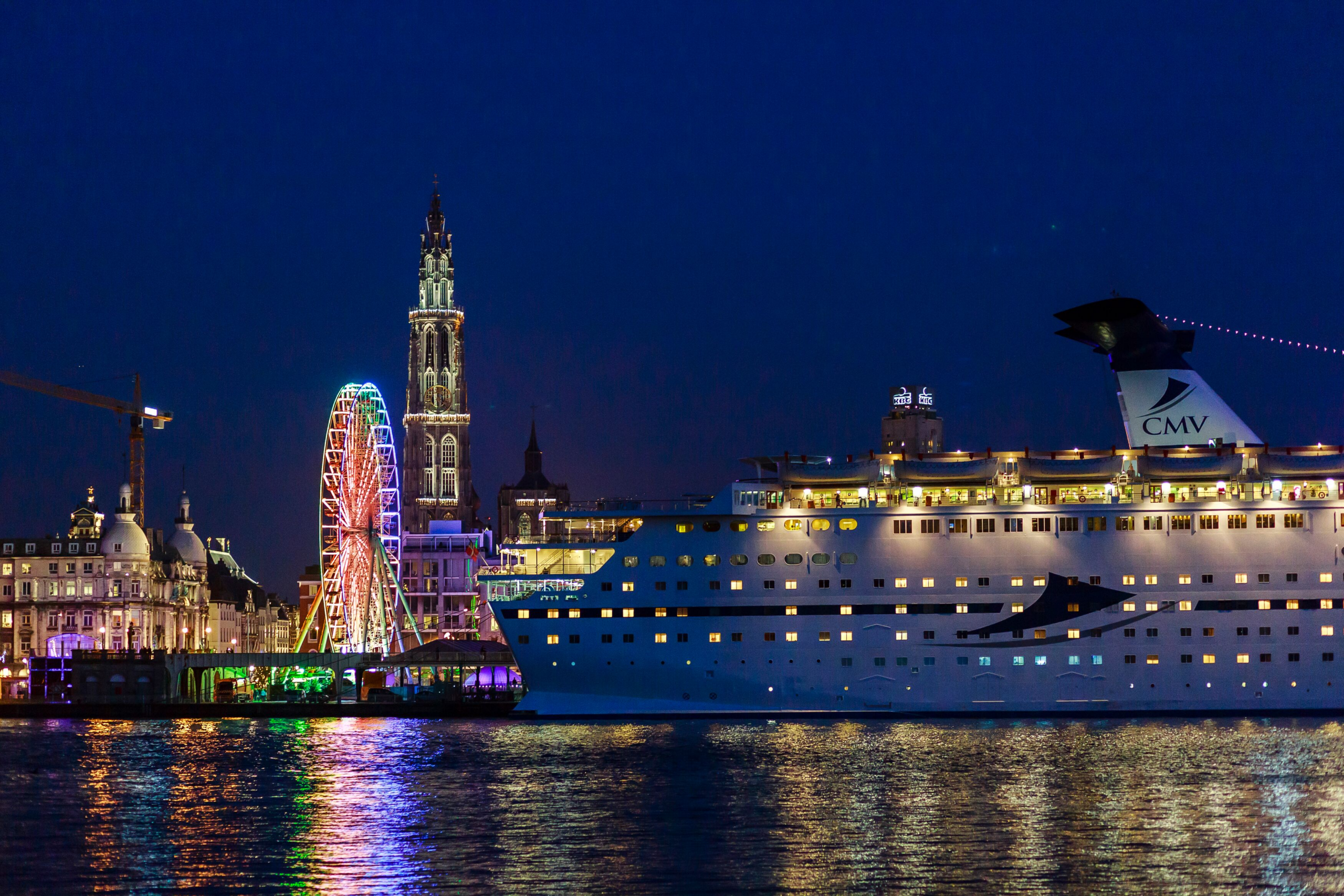
With a population of over half a million, Antwerp is Belgium’s second-largest city and boasts a plethora of attractions. The Cathedral of Our Lady, a UNESCO World Heritage site, is a prime example of Gothic architecture and houses significant works by the renowned Baroque painter Peter Paul Rubens. Furthermore, the Museum aan de Stroom (MAS) offers visitors a panoramic view of the city along with exhibitions detailing Antwerp’s history as a port and cultural hub.
Economic Significance
Economically, Antwerp plays a pivotal role, particularly in the diamond trade. Approximately 80% of the world’s rough diamonds pass through the city, underscoring its critical position in the global diamond industry. Recent data indicate that the diamond district generates billions in revenue annually, supporting thousands of jobs and contributing to Antwerp’s overall economic landscape. Additionally, the Port of Antwerp stands among the largest seaports in Europe, facilitating extensive trade routes and enhancing the city’s commercial relevance.
Current Events and Developments
In recent months, Antwerp has focused on sustainable development initiatives, targeting reduced carbon emissions and promoting green spaces across the city. The local government has announced plans to enhance public transport infrastructure, aiming to make it more efficient and environmentally friendly. Additionally, Antwerp recently hosted a series of events aimed at boosting tourism post-pandemic, including cultural festivals that celebrate the city’s art, food, and music.
Conclusion
The future of Antwerp appears bright as it continues to blend rich historical heritage with modern innovation. As tourism recovers and sustainable practices are embraced, the city is poised for growth and increased global significance. For those exploring Europe, a visit to Antwerp offers a unique glimpse into a city thriving at the intersection of commerce, culture, and history.