









Introduction
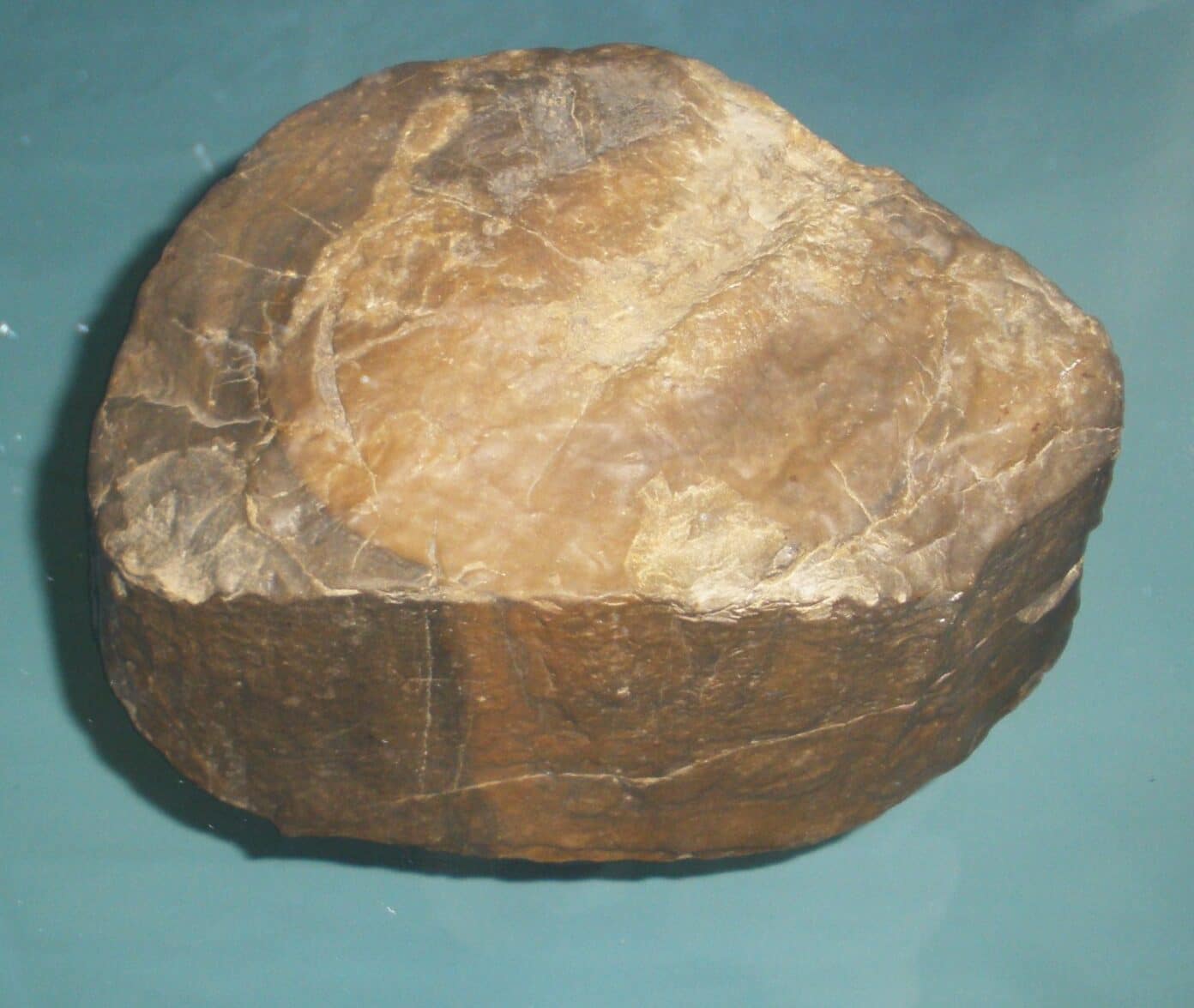
The prototaxites fossil is one of the most intriguing discoveries in paleobotany, representing a unique organism that lived during the late Silurian to late Devonian periods, approximately 420 to 350 million years ago. Understanding this giant prehistoric organism provides essential insights into earth’s evolutionary history, particularly the colonisation of land by plants. Its massive structure and distinctive morphology challenge conventional classifications, making prototaxites a focal point for researchers and enthusiasts alike.
What is Prototaxites?
Prototaxites fossils have been uncovered in multiple locations worldwide, including North America, Europe, and Africa. This organism could grow up to 8 metres in height and 1 metre in diameter, resembling a colossal tree trunk or a mushroom. For many decades, scientists have debated its classification, with theories proposing that it could have been a giant fungus, a lichen, or an ancient type of tree. Recent studies suggest that Prototaxites may have been a type of fungal organism, possibly a fossilised leftover of the primordial terrestrial ecosystem.
Recent Discoveries and Research
Recent advances in technology and excavation methods have propelled new discoveries and research into prototaxites. A notable study published in 2022 utilised advanced imaging techniques, revealing microscopic structures consistent with fungal physiology. This has led to a strong consensus among paleobotanists that prototaxites was indeed a fungus, potentially playing a crucial role in terrestrial nutrient cycling and the establishment of ecosystems. Furthermore, findings indicate its importance in understanding the interaction between early land plants and fungi, opening new avenues for research into plant evolution.
Why Does it Matter?
Understanding prototaxites is vital for grasping the complexities of prehistoric ecosystems. It sheds light on the early formation of soil and land habitats, indicating that fungi were already a significant part of these systems long before the rise of complex vegetation. This knowledge contributes not only to the history of life on Earth but also to fields such as ecology and evolutionary biology today.
Conclusion
The study of prototaxites fossils continues to uncover important secrets regarding Earth’s distant past, revealing insights into the evolutionary steps leading to our modern ecosystems. As further research unfolds, the relevance of prototaxites may help redefine our approach to the history of life on land. In an ever-evolving field, this fascinating fossil serves as a reminder of the complexity and interconnectedness of life throughout Earth’s history, inspiring further exploration and understanding.