









Introduction
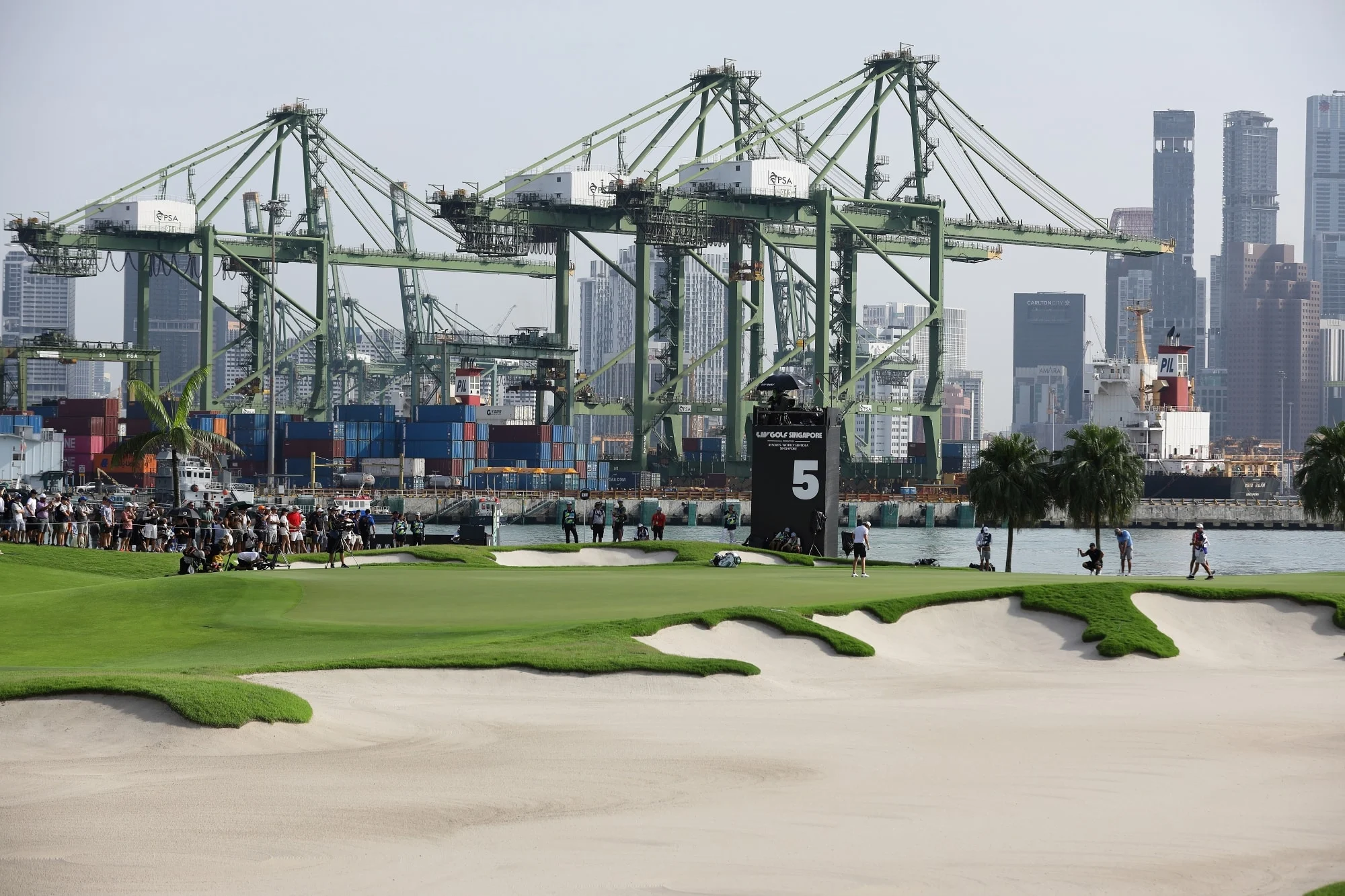
LIV Golf has emerged as a significant player in the world of professional golf, challenging the traditional formats and tournaments that have dominated the sport for decades. Initiated with the support of the Public Investment Fund of Saudi Arabia, LIV Golf seeks to attract top-tier talent and revolutionise the golfing landscape. As golf evolves, the implications of this new tour are becoming increasingly vital to both players and fans.
LIV Golf Format and Events
Since its inception, LIV Golf has introduced a series of tournaments that feature innovative formats and lucrative prize purses. The tour comprises 54-hole events, which stand in contrast to the more traditional 72-hole competitions. Each event consists of team and individual competitions, appealing to a broader audience while enhancing the competitive spirit among players. As a result, it has attracted numerous high-profile athletes who are drawn to the financial incentives and the more relaxed approach to competition.
Player Participation and Controversy
One of the most talked-about aspects of LIV Golf is the number of elite players who have joined the tour. Stars like Phil Mickelson, Brooks Koepka, and Dustin Johnson have made headlines with their participation, contributing to heightened interest and considerable debate within golf circles. This migration from traditional tours, such as the PGA Tour, has produced controversy. Critics argue that the financial support from Saudi Arabia raises ethical concerns, citing the country’s human rights record. However, supporters assert that players should have the freedom to choose where they compete and earn a living.
Impact on Traditional Golf Tours
The emergence of LIV Golf has prompted significant reactions from established tours, leading to changes in policies and prize distributions. The PGA Tour, for instance, has responded with increased financial rewards and new events to remain competitive. The rivalry between LIV Golf and traditional circuits could redefine golfing hierarchies, confronting players with crucial choices about their careers and participation in the sport.
Conclusion
LIV Golf is set to influence the future of professional golf, sparking debates about ethics, competition, and the sport’s global reach. As it continues to grow and attract top talent, the consequences of its existence will undoubtedly shape the golfing world. Golf fans should be prepared for a dynamic shift in how the sport is played, celebrated, and commercialised in the coming years. The ongoing developments within LIV Golf and its relationship with traditional tournaments will be a focal point for all stakeholders in the sport.