









Introduction
The National Grid is a critical infrastructure that underpins the energy system in the United Kingdom. As one of the largest utilities in the world, it connects electricity producers with consumers, ensuring reliable power supply across the country. With rising concerns over climate change and energy security, understanding the National Grid’s role and its upcoming challenges has never been more important.
The Structure of the National Grid
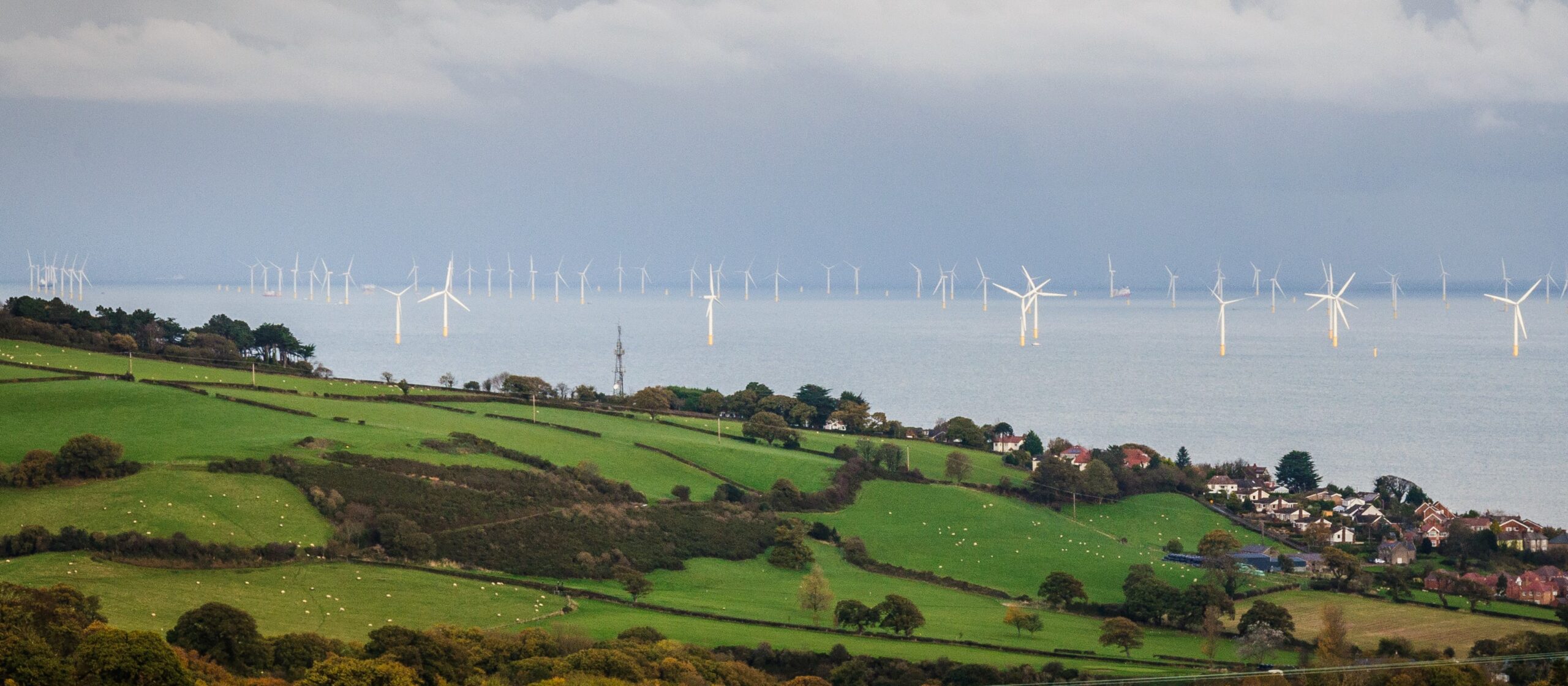
The National Grid is made up of a vast network of transmission lines that transport electricity from power stations to substations before it reaches homes and businesses. Owned by National Grid plc, the system is fundamental in managing supply and demand, balancing generation and consumption in real time. The UK has seen a marked transition from traditional fossil-fuel-based generation to renewables, with wind and solar power playing increasingly larger roles in the energy mix.
Current Events Shaping the National Grid
As of 2023, the National Grid faces numerous challenges, especially amid the UK government’s commitment to reach net-zero emissions by 2050. This transition requires substantial investments in infrastructure, including the expansion of renewable energy sources and the development of storage technologies. Recent reports suggest that the National Grid aims to integrate more decentralized energy resources, allowing for localised generation and distribution, which might lead to increased resilience against outages.
In addition, the National Grid is exploring ‘smart grid’ technologies that utilise data and advanced communication systems to optimise energy distribution and improve electricity consumption efficiency. This includes initiatives for managing energy demand during peak times and integrating electric vehicles into the grid.
Conclusion
The future of the National Grid is pivotal to the evolution of the UK’s energy landscape. As the nation moves further towards sustainable practices, the emphasis will continue to be on enhancing grid resilience, embracing new technologies, and accommodating a more diverse array of energy sources. For consumers and businesses alike, the effects of these changes will be significant, impacting energy costs, reliability, and the sustainability of the power they use. Keeping abreast of these developments is crucial for understanding how energy will be delivered in the coming decades.