









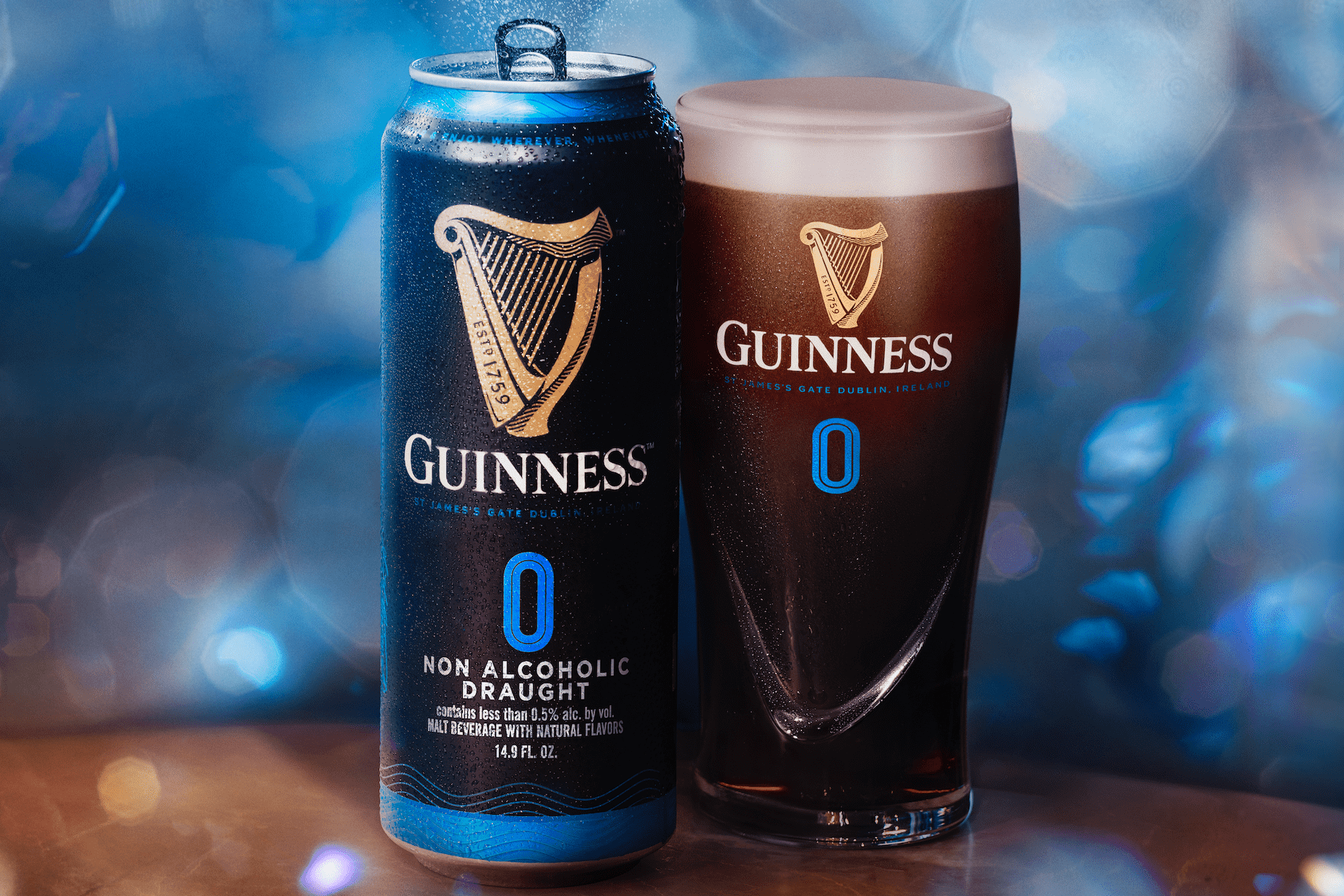
Introduction to Guinness
Guinness is not just a beer; it is a historical icon that has become an indelible part of British culture. Founded in 1759 by Arthur Guinness at St. James’s Gate Brewery in Dublin, Ireland, it has grown to be one of the most recognised and celebrated beers worldwide. The importance of Guinness lies not only in its unique dark stout but also in its impact on social gatherings, pub culture, and the economy.
The Legacy of Guinness
Guinness is renowned for its distinct flavour, creamy head, and rich history, making it a popular choice among beer lovers. The brewing technique that Arthur Guinness developed has remained largely unchanged, preserving the quality and character of the drink for over two centuries. In recent years, Guinness has seen a resurgence in popularity, especially in the craft beer market, as consumers search for authentic, traditional brews.
Global Influence and Economic Impact
Beyond its taste, Guinness has had a tremendous influence on global beer culture. The brand has become synonymous with celebrations, particularly St. Patrick’s Day, where millions around the world raise their pints in honour of Irish heritage. Additionally, Guinness contributes significantly to the economy, supporting thousands of jobs in the brewing industry and tourism. The Guinness Storehouse in Dublin attracts over 1.7 million visitors every year, becoming a major cultural landmark.
Recent Developments and Sustainability Efforts
In 2021, Guinness launched several initiatives aimed at sustainability, focusing on reducing waste and promoting responsible drinking. The initiative, ‘Sustainability at Heart’, sets ambitious targets to produce its beer in a more environmentally friendly manner. Such steps illustrate that the brand not only values its heritage but is also committed to innovation and sustainability in the modern era.
Conclusion
In conclusion, Guinness remains a staple of British culture, a testament to the rich brewing tradition and social connection. Its influence spans beyond just a beverage; it’s a part of many people’s lives, symbolising friendship, celebration, and community. As Guinness look towards the future, its commitment to sustainability and cultural engagement ensures that it will remain as relevant as ever, continuing to bring people together for years to come.