









Introduction
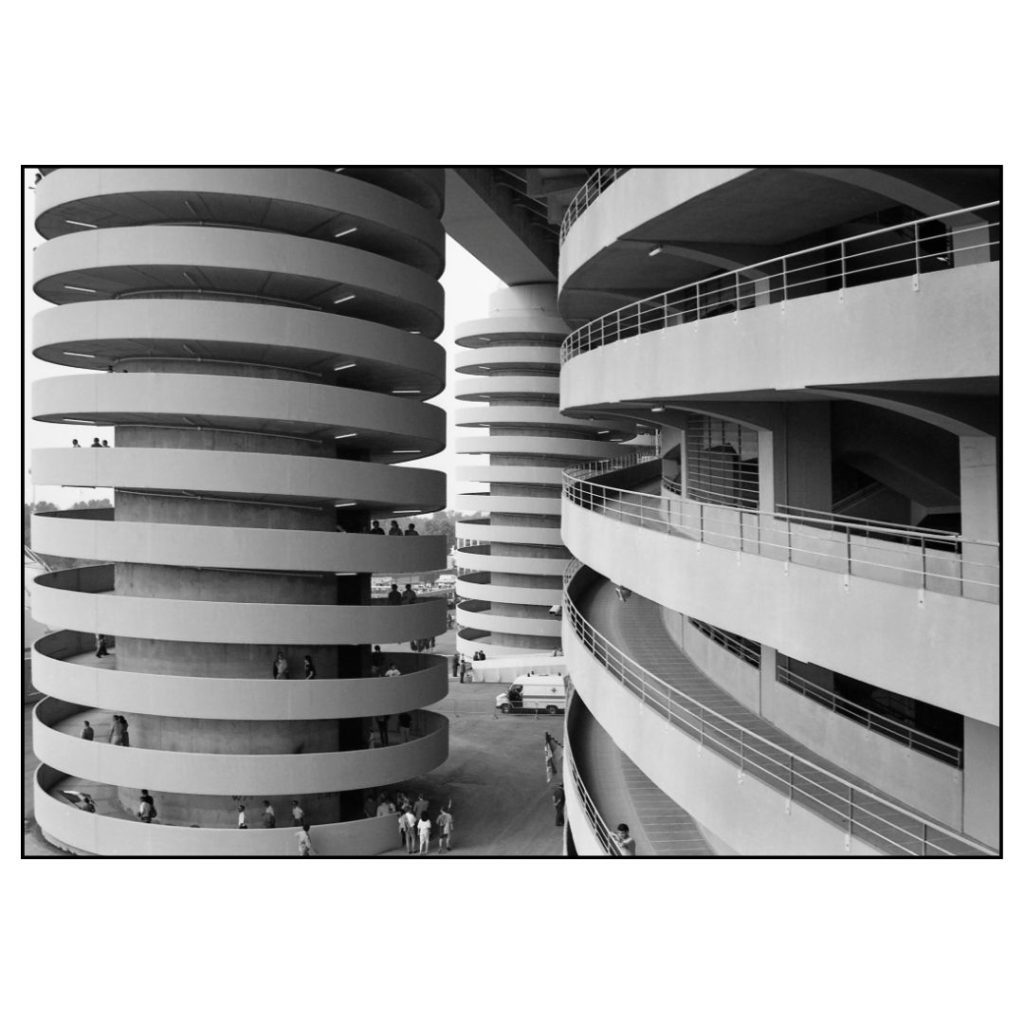
San Siro Stadium, officially known as Stadio Giuseppe Meazza, is one of the most iconic sports venues in the world. Located in Milan, Italy, it serves as the home ground for two of the country’s most successful football clubs, AC Milan and Inter Milan. The stadium holds great cultural and historical significance, drawing thousands of fans each match day and offering a unique glimpse into Italian sporting culture.
A Brief History
Opened in 1926, San Siro originally had a capacity of 35,000, but after several renovations, it now accommodates over 75,000 spectators. The stadium was named after the nearby San Siro district and later took on the name of Giuseppe Meazza, a legendary Italian footballer who played for both AC Milan and Inter. Over the years, San Siro has hosted numerous memorable matches, including UEFA Champions League finals and international fixtures.
Recent Developments
As of 2023, discussions have intensified regarding the future of San Siro. With both clubs aiming to enhance their facilities, there have been proposals for a new stadium, separate from the historic venue, which has raised a significant amount of debate among fans. Supporters of San Siro argue for its preservation due to its historical importance, whereas others advocate for a modernised venue that could provide better amenities and generate more revenue for both clubs. In May 2023, city officials announced that a decision regarding the future of San Siro would be made later this year, crucial for the clubs and the city’s sports landscape.
The Cultural Impact
San Siro is more than just a stadium; it is an emblem of Milanese identity and pride. It has seen countless legends grace its pitch, along with various unforgettable matches that have contributed to the rich tapestry of football history. The stadium also hosts other events, including concerts by famous artists, making it a versatile venue in Milan’s cultural scene.
Conclusion
The future of San Siro remains uncertain, but its significance as a historical landmark is undeniable. Whether renovated or replaced, the legacy of this stadium will continue to resonate in the hearts of football fans around the world. For readers, staying updated on San Siro’s developments is vital, as it reflects broader trends in sports management, community identity, and cultural preservation. Football fans and residents alike hope that whatever the outcome, the spirit of San Siro will endure through generations to come.