









Introduction
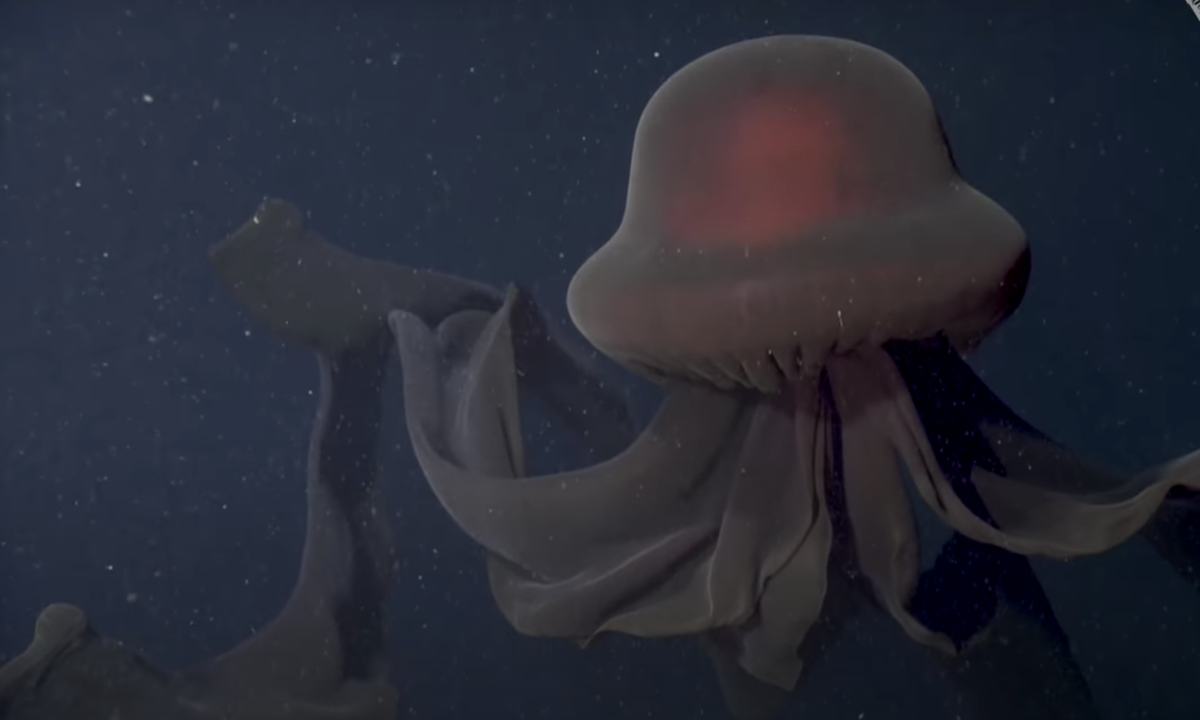
The giant phantom jellyfish (Malojaea atlantica) is a captivating deep-sea creature that has gained attention recently due to its elusive nature and striking appearance. Known for its impressive size, this jellyfish can grow up to 40 inches in diameter and has long, flowing tentacles. The recent sightings of this species off the coast of Wales have reignited interest in deep-sea exploration and the unique ecosystems that thrive in these environments, highlighting their importance to marine biodiversity.
Recent Sightings
On October 10, 2023, divers from the Marine Conservation Society reported a sighting of the giant phantom jellyfish during a routine survey near the Pembrokeshire coast. The jellyfish was captured on camera, displaying its ethereal beauty with a translucent, bluish body and long, trailing tentacles. Such sightings are rare, making this event particularly significant for researchers studying these enigmatic creatures.
Ecological Role
The giant phantom jellyfish plays a crucial role in the marine food web. As both predator and prey, it helps maintain the balance within its ecosystem. Juvenile fish and plankton feed on its tentacles, while larger marine animals, such as sea turtles and larger fish, rely on it as a food source. Understanding its role can offer insights into the health of marine ecosystems and the impacts of climate change on deep-sea species.
Impact on Marine Research
The sighting of the giant phantom jellyfish not only excites the public but also serves as a reminder of the mysteries that remain within our oceans. Scientists are advocating for increased funding and support for deep-sea research, as many species, including the jellyfish, are not well understood. This discovery could lead to enhanced conservation efforts to protect vulnerable oceanic habitats.
Conclusion
The discovery of the giant phantom jellyfish off the Welsh coast underscores the importance of deep-sea exploration and the need to preserve our oceans. As researchers continue to dive deeper into understanding these remarkable creatures, public interest can drive initiatives that protect marine biodiversity. The future of our oceans may depend on acknowledging and preserving these incredible ecosystems.