








Introduction to the Tempest Fighter Jet
The Tempest fighter jet is an ambitious project, developed by the UK and its partners, aimed at revolutionising air combat capabilities. With the landscape of warfare evolving rapidly, the significance of advanced, next-generation combat aircraft like the Tempest cannot be overstated. The project not only aims to enhance the Royal Air Force’s (RAF) aerial capabilities but also promises to boost the UK’s defence industry and international partnerships.
Key Features and Innovations
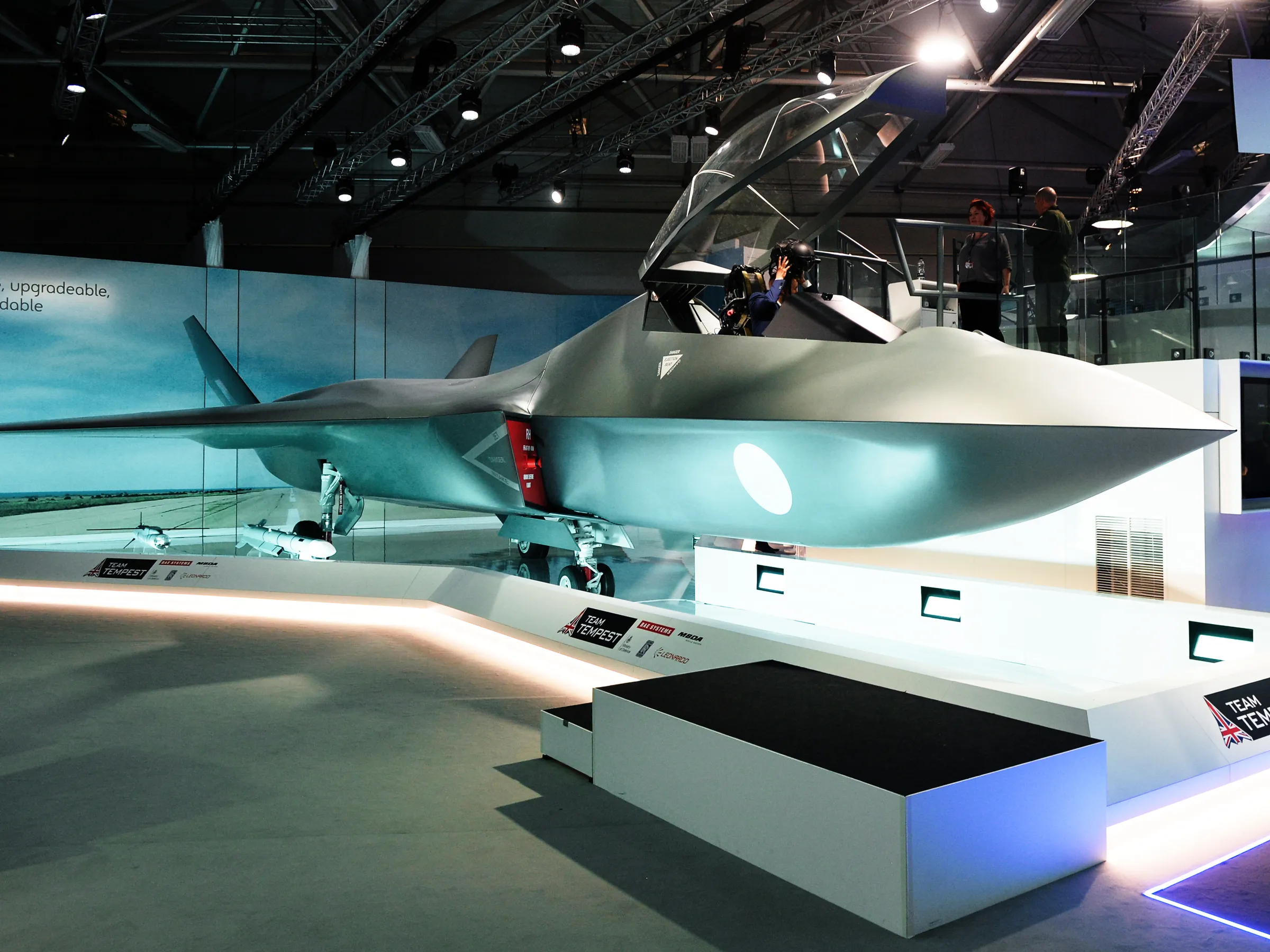
Introduced in July 2018, the Tempest is designed to be a multi-role stealth fighter, incorporating cutting-edge technology to ensure superior operational effectiveness. It aims to integrate artificial intelligence, advanced sensors, and next-level data sharing capabilities to enable seamless interactions in complex air combat scenarios. The aircraft will feature innovative design elements such as hypersonic weapons, enhanced situational awareness, and a modular approach that allows for rapid upgrades as technology evolves.
Cockpit and Operation
One of the standout design features of the Tempest is its highly advanced cockpit, which will potentially incorporate augmented reality (AR) interfaces to enhance pilots’ situational awareness. This design has been inspired by the ongoing shift towards unmanned aerial vehicles (UAVs) and networked warfare, allowing for both manned and unmanned operations. This adaptability is crucial, given the unpredictability of future conflicts.
International Collaboration
The Tempest project is not a solo venture; it is being developed in collaboration with several international partners, including Italy and Sweden. This approach aims to share the financial and technological burdens associated with developing such advanced aircraft. The partnerships have already led to significant joint projects, including research on next-gen weaponry and advanced materials.
Conclusion: The Future of Air Defence
The Tempest fighter jet is poised to become a cornerstone of modern air defense. As nations continue to face evolving threats, the importance of having a technologically superior combat aircraft cannot be ignored. With plans for the first flight scheduled in the mid-2020s and an operational deployment slated for the 2030s, the Tempest not only signifies a leap in military aviation but also the UK’s commitment to maintaining a leading edge in defence technology. As developments progress, the international community will keenly watch this project, given its potential implications for air superiority in future conflicts.