









Introduction
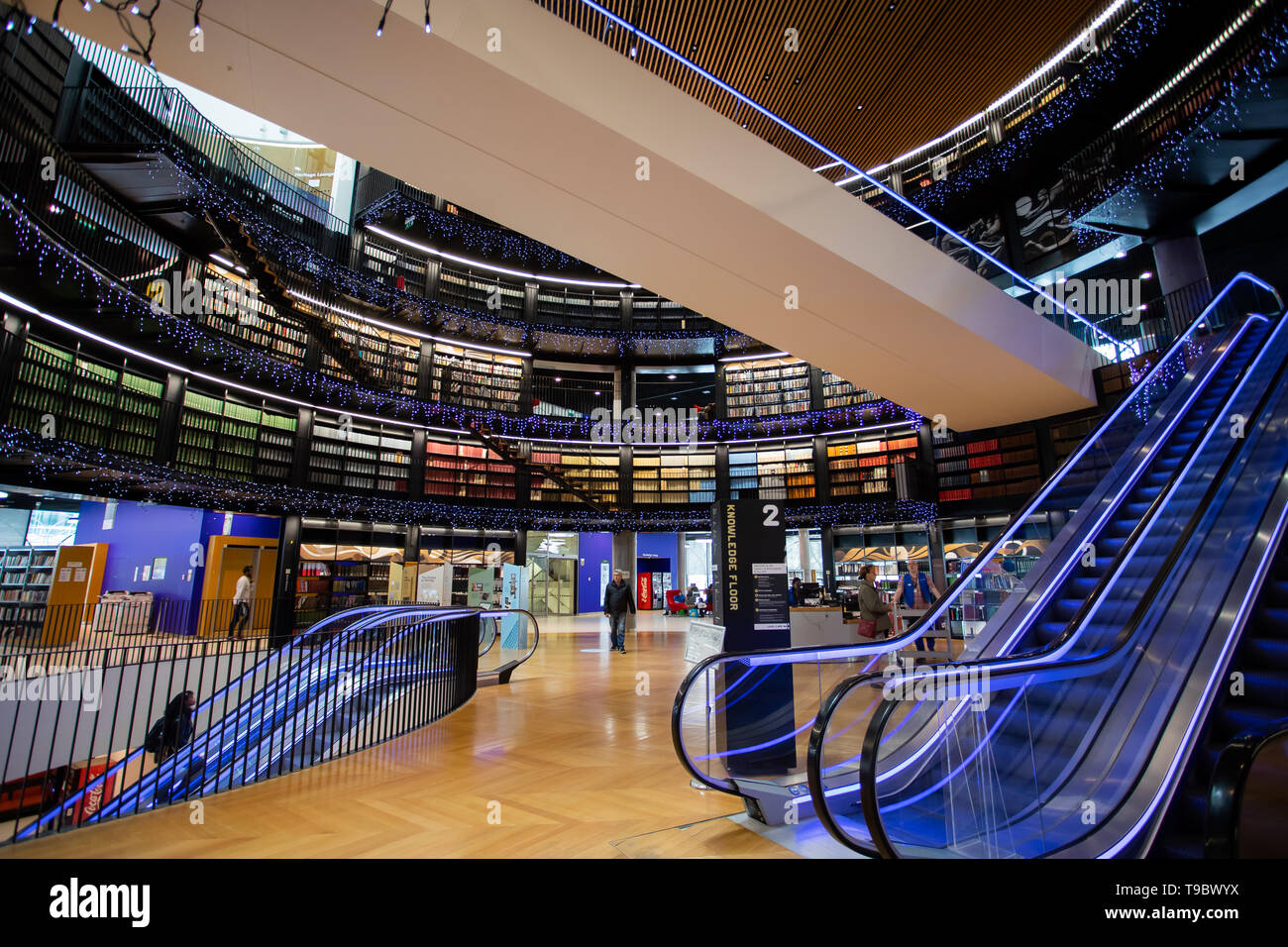
The Birmingham Library, officially known as the Library of Birmingham, serves as a pivotal cultural institution in the heart of the UK’s second-largest city. Opened in 2013, this architectural marvel not only houses a vast collection of books and digital resources but also acts as a community hub, fostering learning, creativity, and public engagement. Its continued relevance is underscored by its ongoing initiatives aimed at enhancing literacy and cultural appreciation in the region.
Architectural Significance
Designed by Dutch architect Francine Houben, the Library of Birmingham features a unique design that blends modern aesthetics with traditional elements. The exterior is characterised by a striking gold mesh and a series of stacked boxes that echo Birmingham’s industrial heritage. The library is also equipped with state-of-the-art technology, making it a beacon of innovation in educational resources.
Collection and Resources
With over a million books, thousands of digital resources, archives, and rare manuscripts, the Birmingham Library boasts one of the most comprehensive collections in the UK. Significant historical documents, including the city’s archives and original works by renowned authors like J.R.R. Tolkien, enrich its offerings. The library supports various language resources, catering to Birmingham’s diverse population.
Community Engagement and Events
The Birmingham Library is more than just a repository of information; it actively engages with the community through various programmes and events. Regular workshops, art exhibitions, storytelling sessions, and author talks are held to inspire creativity and encourage reading among all age groups. During the COVID-19 pandemic, the library adapted by offering virtual sessions, ensuring continued access to educational resources.
Recent Developments
In the wake of the pandemic, the Birmingham Library has announced plans to enhance its digital services, providing greater access to e-books and online learning resources. A recent report highlighted a significant increase in virtual engagement, with online visitors surpassing in-person attendance. This shift shows the library’s commitment to remaining adaptable and relevant in a digital age.
Conclusion
The Birmingham Library stands as a testament to the importance of public libraries in today’s society. By fostering knowledge, creativity, and community spirit, the library not only serves as an educational resource but also as a cultural hub that reflects Birmingham’s rich heritage. Looking ahead, its ongoing initiatives to integrate technology while preserving its historical roots will ensure its significance for future generations. With ambitions to expand digital offerings and enhance community involvement, the future of the Library of Birmingham looks bright.