









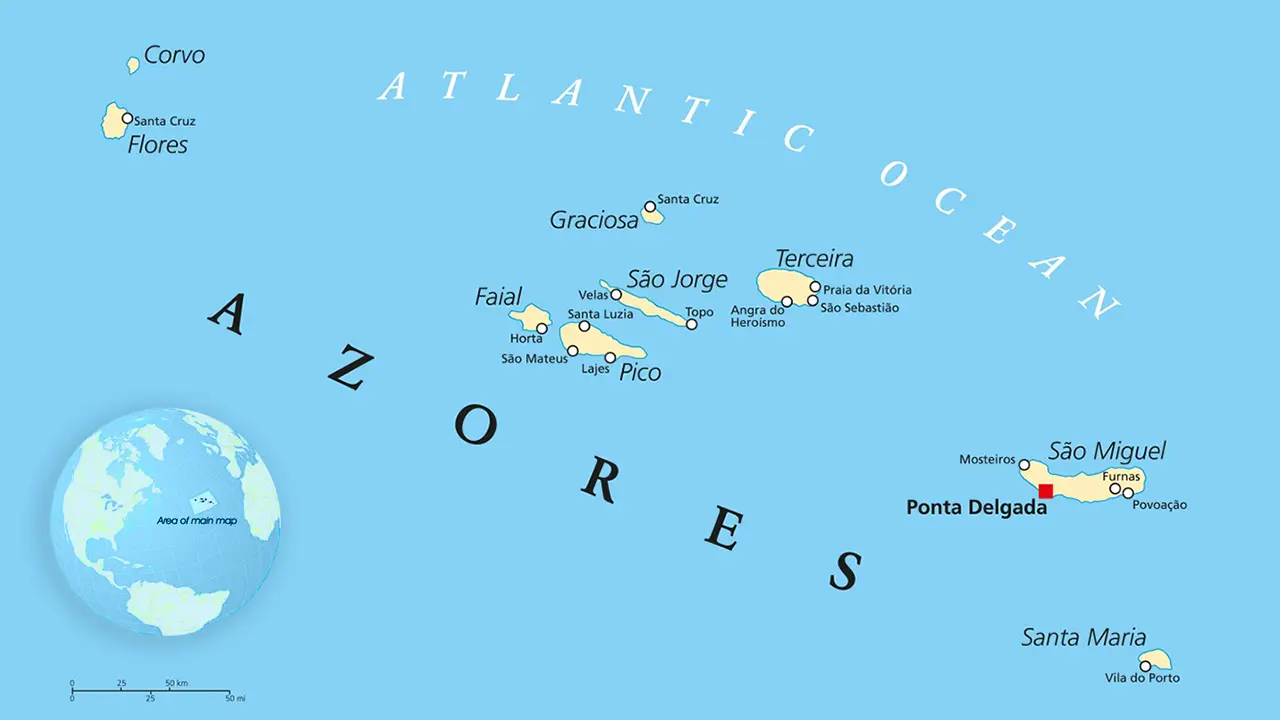
Introduction to the Azores
The Azores, an archipelago situated in the North Atlantic Ocean, is an autonomous region of Portugal. Comprising nine volcanic islands, the Azores are renowned for their lush landscapes, breathtaking seascapes, and unique biodiversity. As climate change and overtourism become pressing global issues, the Azores stand out for their sustainable tourism strategies and conservation efforts, making them increasingly relevant in discussions about responsible travel.
Recent Developments and Attractions
In 2023, the Azores have seen a surge in international interest, with various eco-friendly initiatives being launched to preserve the islands’ pristine environment. The government has introduced stricter regulations on tourism to protect the native flora and fauna, promoting activities such as hiking, whale watching, and birding that have minimal impact on the ecological balance. The islands are home to unique species, including the endangered Azores Bullfinch.
This year also marked the inauguration of several new luxurious eco-resorts which blend style with sustainability, offering visitors an immersive experience of the islands’ culture and natural beauty. Influenced by their volcanic origins, the islands are dotted with thermal springs and lakes, particularly on São Miguel, the largest island, known for its stunning Sete Cidades crater lakes.
Contributions to Climate Awareness
The Azores have been highlighted as a key player in global climate awareness. In a recent report, the region’s efforts to balance tourism with environmental stewardship received praise from sustainability analysts. The islands are also investing in renewable energy sources, aiming to become a self-sufficient region by 2030. This commitment to renewable energy not only helps reduce carbon emissions but also positions the Azores as a model for other tourist destinations worldwide.
Conclusion
With the combination of stunning landscapes, a commitment to environmental preservation, and rich cultural heritage, the Azores are poised to become one of the top travel destinations in the coming years. As more travellers seek eco-conscious options, the Azores offer an ideal blend of adventure and responsibility. It is essential for visitors to respect and engage with the local environment to ensure these islands remain a haven for future generations. As awareness about sustainable travel increases, the Azores may well inspire a new paradigm for tourism in ecologically sensitive regions around the globe.