








Introduction
The BBC’s adaptation of William Golding’s classic novel ‘Lord of the Flies’ is capturing the attention of audiences once again. First published in 1954, the novel explores the theme of human nature and the inherent darkness within us all. With its recent adaptation, the relevance of Golding’s message is highlighted, particularly in today’s context of societal challenges and moral dilemmas.
Details of the Adaptation
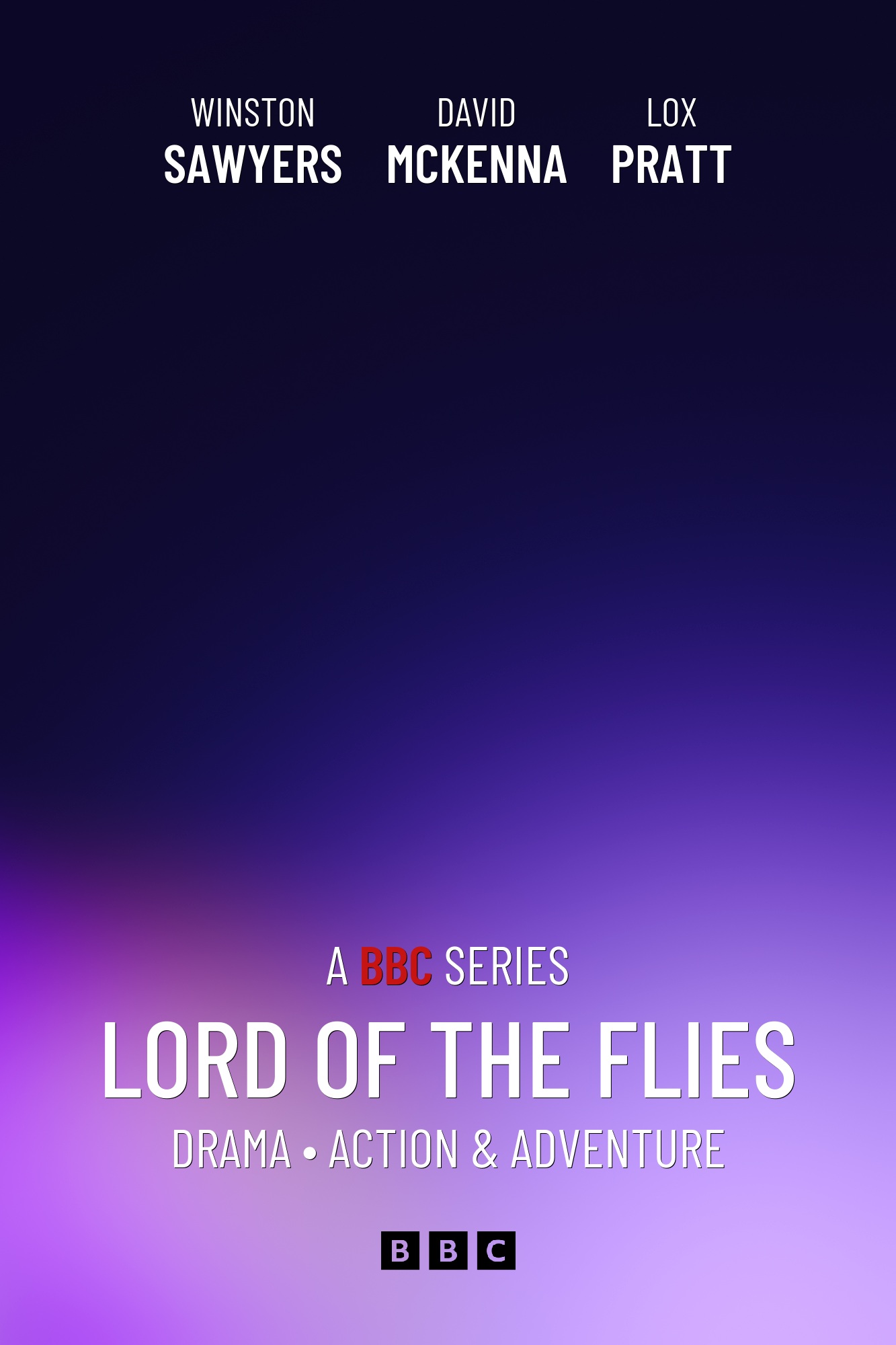
Announced earlier this year, the BBC’s version of ‘Lord of the Flies’ is set to reimagine the story for a new generation, aiming to retain the essence of the original narrative whilst introducing modern themes and perspectives. The adaptation features a diverse cast and innovative storytelling techniques intended to resonate with contemporary societal issues such as identity, power struggles, and violence. This version aims to initiate discussions around leadership, conflict resolution, and the consequences of group dynamics.
Producers have sought to stay faithful to Golding’s themes while also addressing relevant issues faced by young people today, such as mental health, social media influence, and communal responsibility. The director, known for an acclaimed body of work that highlights social commentary through narrative, has expressed excitement about diving into this classic work and bringing fresh perspectives to its interpretation.
Public Reception and Significance
Early previews have generated curiosity and a mixture of anticipation among fans of the novel, educators, and socio-political commentators. Some primary educational institutions plan to incorporate the series into their curriculum, acknowledging its continued importance in discussing the nature of civilised versus savage behaviour in the face of crisis.
The adaptation is yet to be released, but expectations are high that it will prompt viewers to reflect on the underlying themes of ‘Lord of the Flies’ with an impactful narrative that is both thrilling and thought-provoking.
Conclusion
The BBC’s retelling of ‘Lord of the Flies’ sets to highlight the timelessness of Golding’s work by framing it within a modern context, making its themes more accessible to today’s youth. As audiences await the premiere, the adaptation serves as a reminder of the constant relevance of literary classics in exploring human behaviour and society. It invites viewers to examine their own moral compasses and consider how they might navigate crises in their personal lives.