









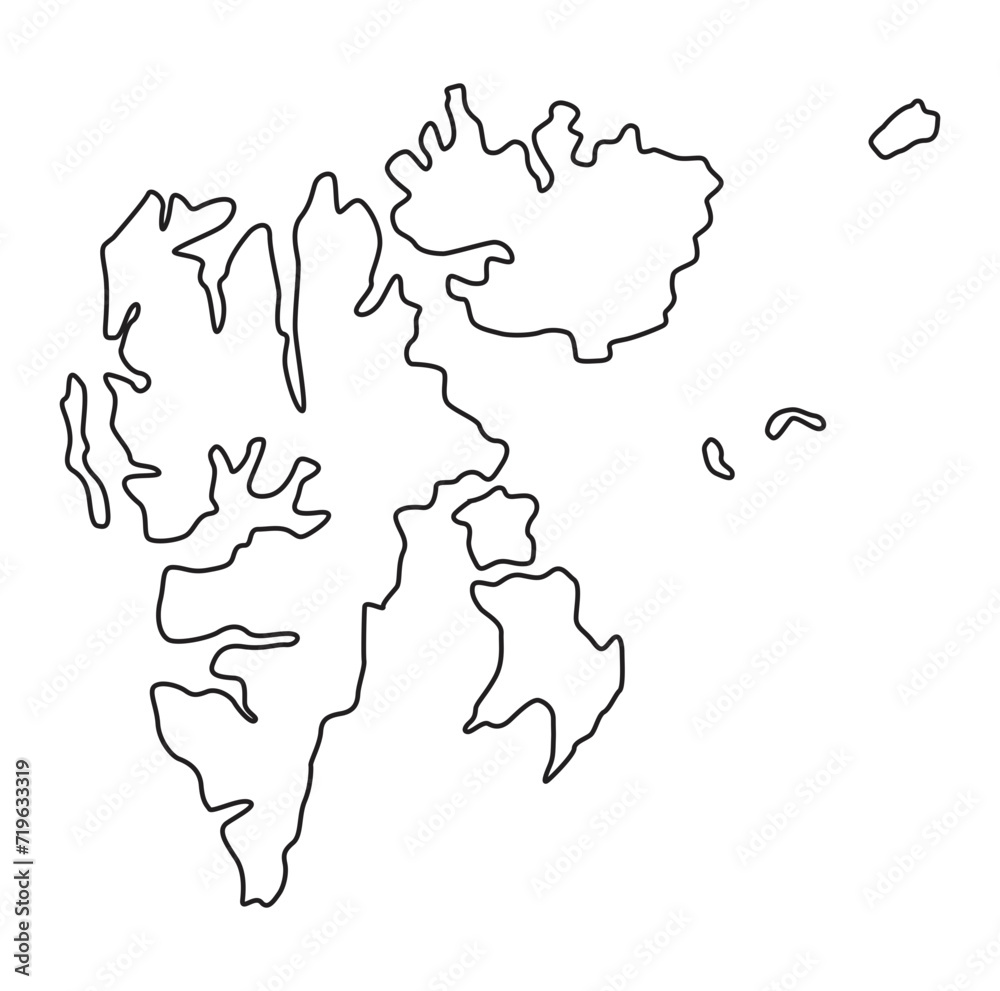
Introduction
Svalbard, a remote archipelago located in the Arctic Ocean, is a significant area of interest due to its unique ecosystem, rich biodiversity, and the ongoing impact of climate change. Administered by Norway, Svalbard has gained attention not only for its stunning polar landscapes but also as a key location for scientific research and a growing tourist destination.
Recent Developments
Recent reports from the Norwegian Polar Institute highlight the rapid changes in Svalbard’s environment, where temperatures are rising at an alarming rate. According to the Institute’s research, the average temperature in Svalbard has increased by more than 3 degrees Celsius over the past century, significantly affecting glaciers and wildlife. This warming trend raises concerns about the melting of permafrost and sea ice, which are critical to the area’s ecosystem.
In 2023, the Svalbard Global Seed Vault celebrated its 15th anniversary. Built to safeguard the world’s food supply, the facility has received thousands of seed samples from around the globe. Researchers believe that the vault could play a crucial role in maintaining biodiversity as global climates continue to shift.
Tourism Surge
Tourism has experienced a surge as visitors flock to Svalbard to witness its breathtaking scenery and unique wildlife, including polar bears, Arctic foxes, and migratory birds. The increase in accessible tours and expedition cruises has contributed to a boost in local economies but also poses challenges for the fragile Antarctic environment. Tour operators are now focusing on sustainable practices to mitigate the impact of tourism on nature.
Conclusion
The significance of Svalbard extends beyond its picturesque views; it serves as a critical indicator of global climate change. As ongoing research and conservation efforts continue, it is imperative for both local authorities and visitors to adopt sustainable practices. The future of Svalbard as a site for scientific study and tourism hinges on our collective actions to preserve its unique environment. Understanding the delicate balance of this Arctic haven will be crucial in safeguarding its status for future generations. Readers are encouraged to explore this remarkable area, recognising both its beauty and its vulnerability.