









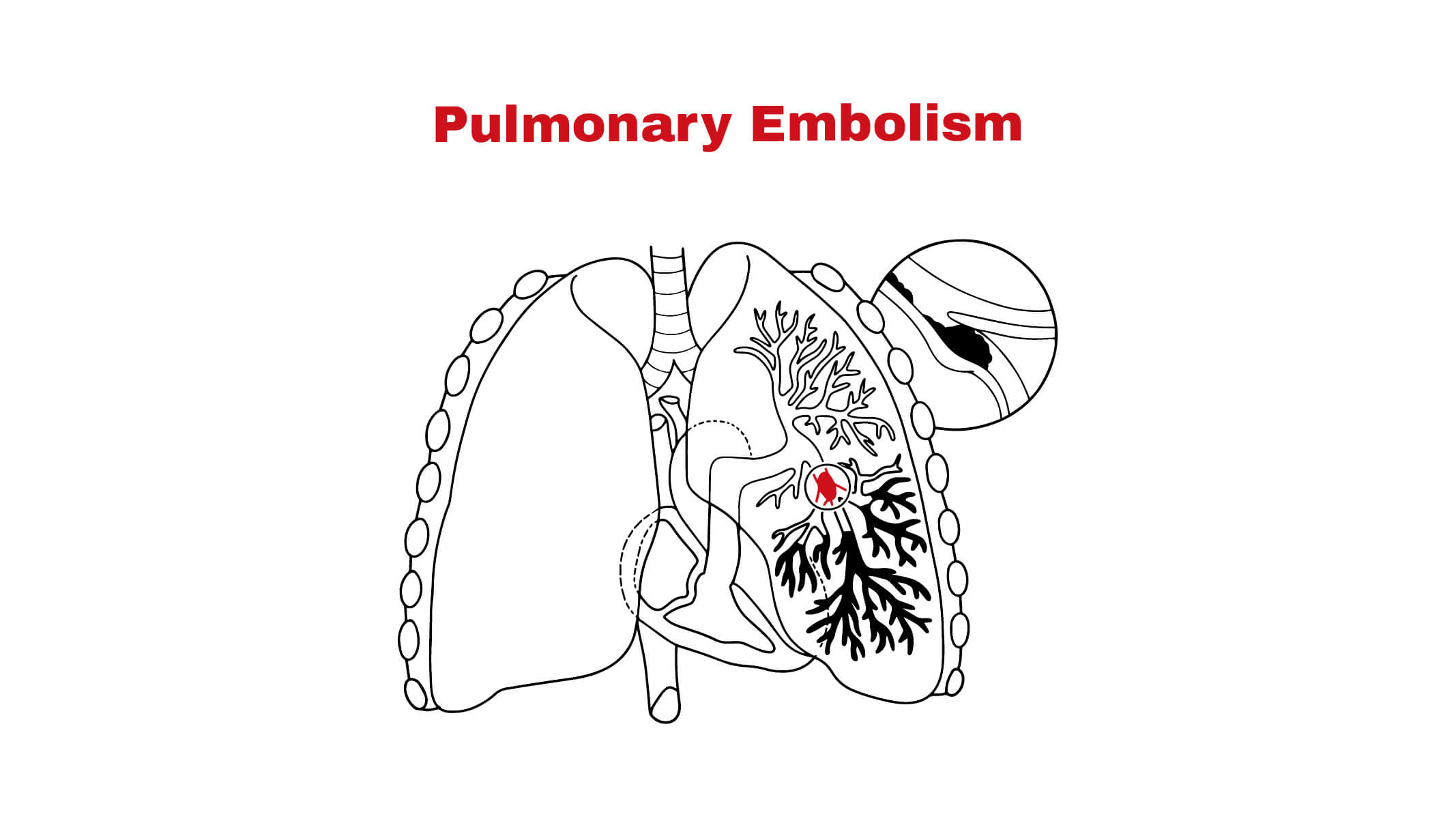
Introduction to Pulmonary Embolism
Pulmonary embolism (PE) is a potentially fatal condition that occurs when a blood clot blocks one or more arteries in the lungs. This serious health issue is relevant today as the rise in sedentary lifestyles and certain medical conditions have led to an increase in blood clotting disorders. Understanding pulmonary embolism is crucial for timely diagnosis and effective treatment.
Causes and Risk Factors
Pulmonary embolism is usually caused by deep vein thrombosis (DVT), where blood clots form in the deep veins of the legs or other parts of the body and then travel to the lungs. Several risk factors contribute to the likelihood of developing DVT and PE, including:
- Prolonged immobility (e.g., long-haul flights, surgeries)
- Certain medical conditions (e.g., cancer, heart disease)
- Obesity
- Smoking
- Hormone therapy or birth control pills
- Family history of clotting disorders
Symptoms and Diagnosis
Symptoms of pulmonary embolism can vary greatly and may include sudden shortness of breath, chest pain that may feel like a heart attack, rapid heart rate, coughing, and even coughing up blood. Due to the broad range of symptoms, PE can often be mistaken for other health conditions.
Diagnosis typically involves a combination of imaging tests, like a CT pulmonary angiography, blood tests, and a review of the patient’s history and symptoms. Early recognition is key to improving outcomes, as PE can be life-threatening.
Treatment Options
Once diagnosed, treatment for pulmonary embolism focuses on preventing further blood clots and managing associated symptoms. Common treatment methods include:
- Anticoagulant medications (blood thinners) to prevent new clots
- Thrombolytics (clot busters) in severe cases
- Surgical interventions if necessary, such as embolectomy
Conclusion and Significance
Awareness of pulmonary embolism is critical, especially given its high mortality rate if not treated promptly. Recent studies suggest that with proper education on the signs, symptoms, and risk factors, more lives can be saved. As we move forward, improving knowledge and monitoring high-risk individuals could play a pivotal role in reducing the incidence of this serious medical condition.