









Introduction
Nova Scotia, a province located on the east coast of Canada, is celebrated for its scenic landscapes, vibrant culture, and rich maritime heritage. As one of the three Maritime Provinces, Nova Scotia plays a crucial role in Canada’s identity, attracting tourists, researchers, and residents alike due to its stunning coastal views, historic sites, and culinary delights. The ongoing global interest in sustainable tourism and regional development has brought Nova Scotia into the spotlight.
Natural Attractions
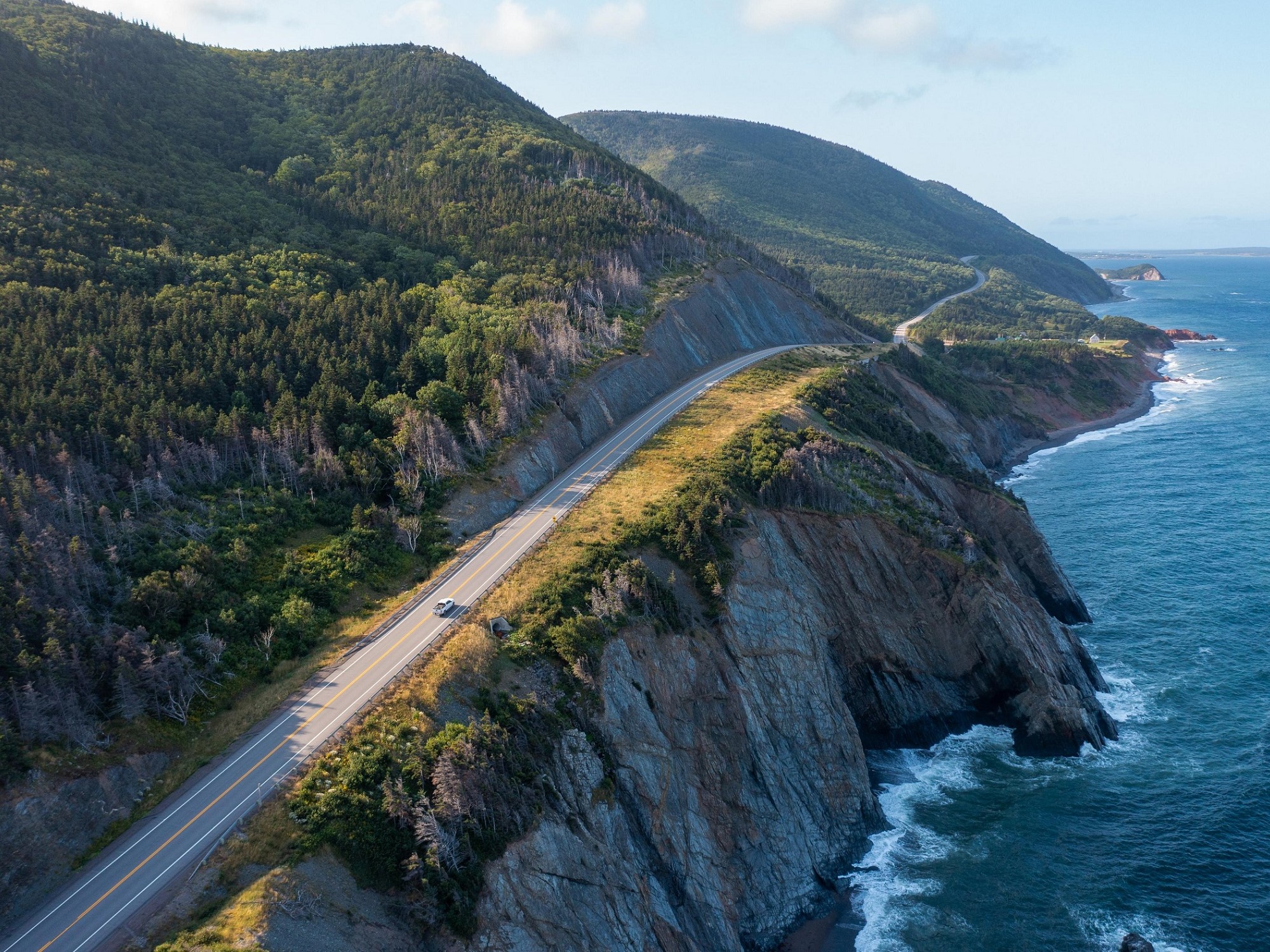
With over 7,400 kilometres of coastline, Nova Scotia is famous for its breathtaking beaches, dramatic cliffs, and picturesque lighthouses. The Cabot Trail, one of Canada’s most scenic drives, offers stunning views of the Gulf of St. Lawrence and Cape Breton Highlands National Park. Visitors come from near and far to explore the natural beauty of places such as Peggy’s Cove, known for its iconic lighthouse, and the stunning Bay of Fundy, home to the highest tides in the world.
Cultural Heritage
Nova Scotia’s cultural landscape reflects a rich blend of Indigenous, Scottish, French, and Acadian influences. The province takes pride in its traditions, with frequent festivals celebrating music, art, and food. The Halifax Citadel, a symbol of the province’s military history, stands as a testament to its past, while the unique Acadian culture is showcased through its language, music, and culinary practices. Recently, the province celebrated the renewal of interest in its heritage through events promoting Acadian traditions, which received national recognition.
Economic Development
As the world shifts towards sustainable development, Nova Scotia is leveraging its natural resources and cultural heritage to boost its economy. The fisheries, tourism, and renewable energy sectors have seen significant investment and growth, with the latter focusing on wind and tidal energy. The Green Energy Act encourages innovation and promotes environmentally friendly practices across the province. Furthermore, Nova Scotia’s position as a leader in marine research is bolstered by affiliations with universities and institutions focused on oceanic studies.
Conclusion
Nova Scotia represents a unique blend of natural beauty, cultural richness, and economic potential. Its prioritized focus on sustainable development positions the province as a model for other regions. As the world seeks to balance tourism with environmental protection, Nova Scotia stands out as a prominent destination that showcases how history, culture, and innovation can coexist harmoniously. For residents and visitors alike, Nova Scotia offers a place to explore the wonders of nature and embrace a vibrant community spirit.