








Introduction
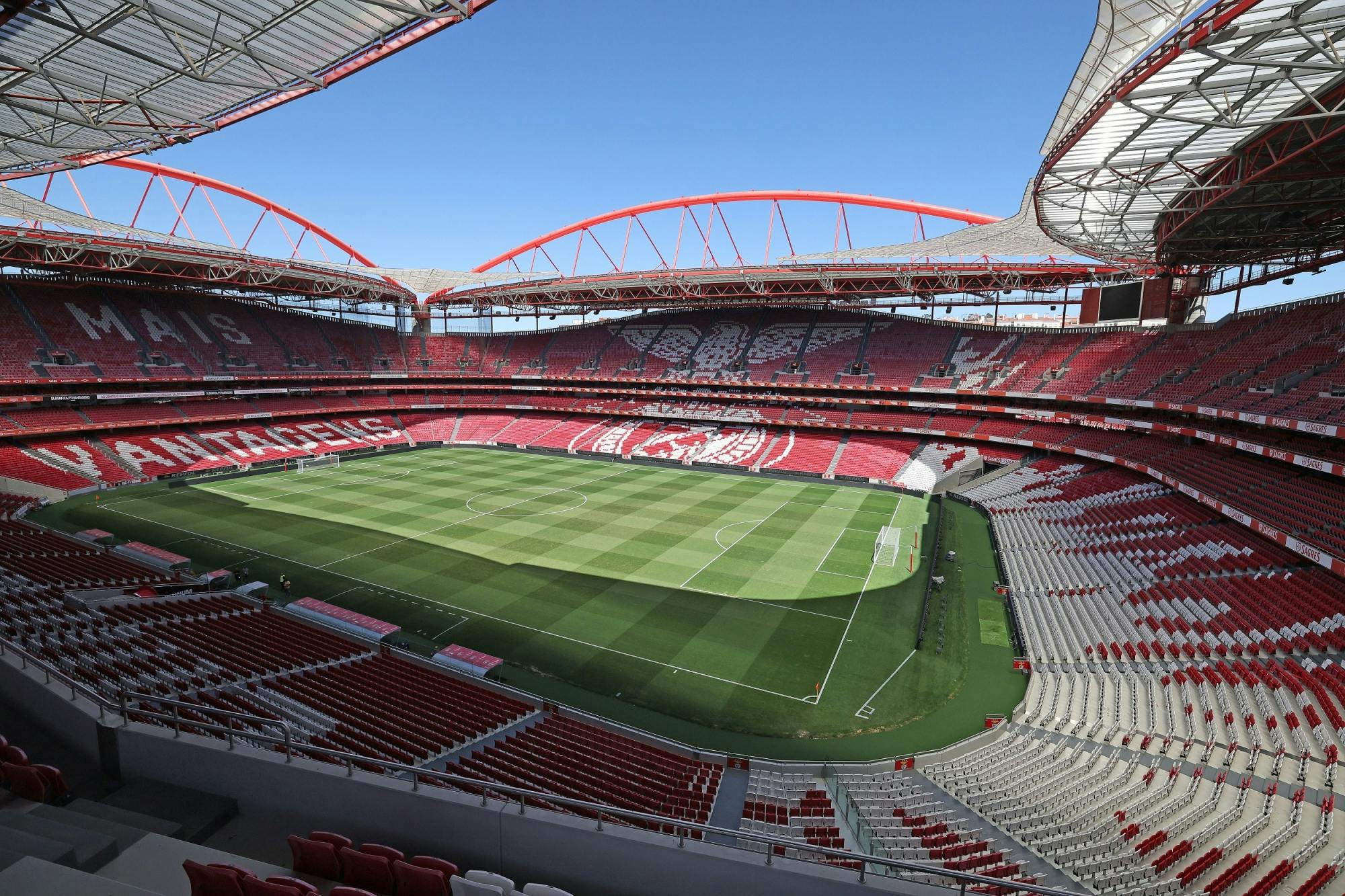
Benfica Stadium, officially known as Estádio da Luz, is more than just a football venue; it is a symbol of pride for fans of S.L. Benfica and showcases the rich history of Portuguese football. Opened in 2003, the stadium has a seating capacity of over 64,000, making it one of the largest in Europe. Its significance extends beyond sporting events, as it also hosts concerts and other cultural activities, making it a central hub in Lisbon.
Recent Events
In recent months, Benfica Stadium has captured headlines not only for its matches but also due to renovations and upgrades undertaken for the upcoming UEFA Euro 2024. These enhancements include improved facilities for both players and fans, showcasing the club’s commitment to elevating the game-day experience. During the beginning of the 2023 season, Benfica faced fierce competition in the Liga Portugal, and the atmosphere at the stadium has been electric, with fans eager to support their team. They have consistently filled the seats, contributing to one of the most formidable home advantages in football.
Significance of Benfica Stadium
Beyond just a venue for sports, Benfica Stadium is a cultural landmark. It hosts guided tours that allow fans and visitors to explore its history, including the club’s legendary players and memorable matches. This year marks the tenth anniversary of Benfica’s historical treble in 2014, an achievement that resonates deeply with supporters. The stadium also plays a crucial role in community engagement, hosting events that promote youth sports and healthy living.
Conclusion
As Benfica continues to make strides on and off the field, the importance of Benfica Stadium as a central point for sports and community activities cannot be overstated. With UEFA Euro 2024 approaching, the stadium is set to showcase some of the continent’s best teams, further elevating its profile. For fans of S.L. Benfica, and Portuguese football in general, the stadium remains an emblem of passion, pride, and tradition that will continue shaping the future of the sport.