








Introduction to Aserbaidschan
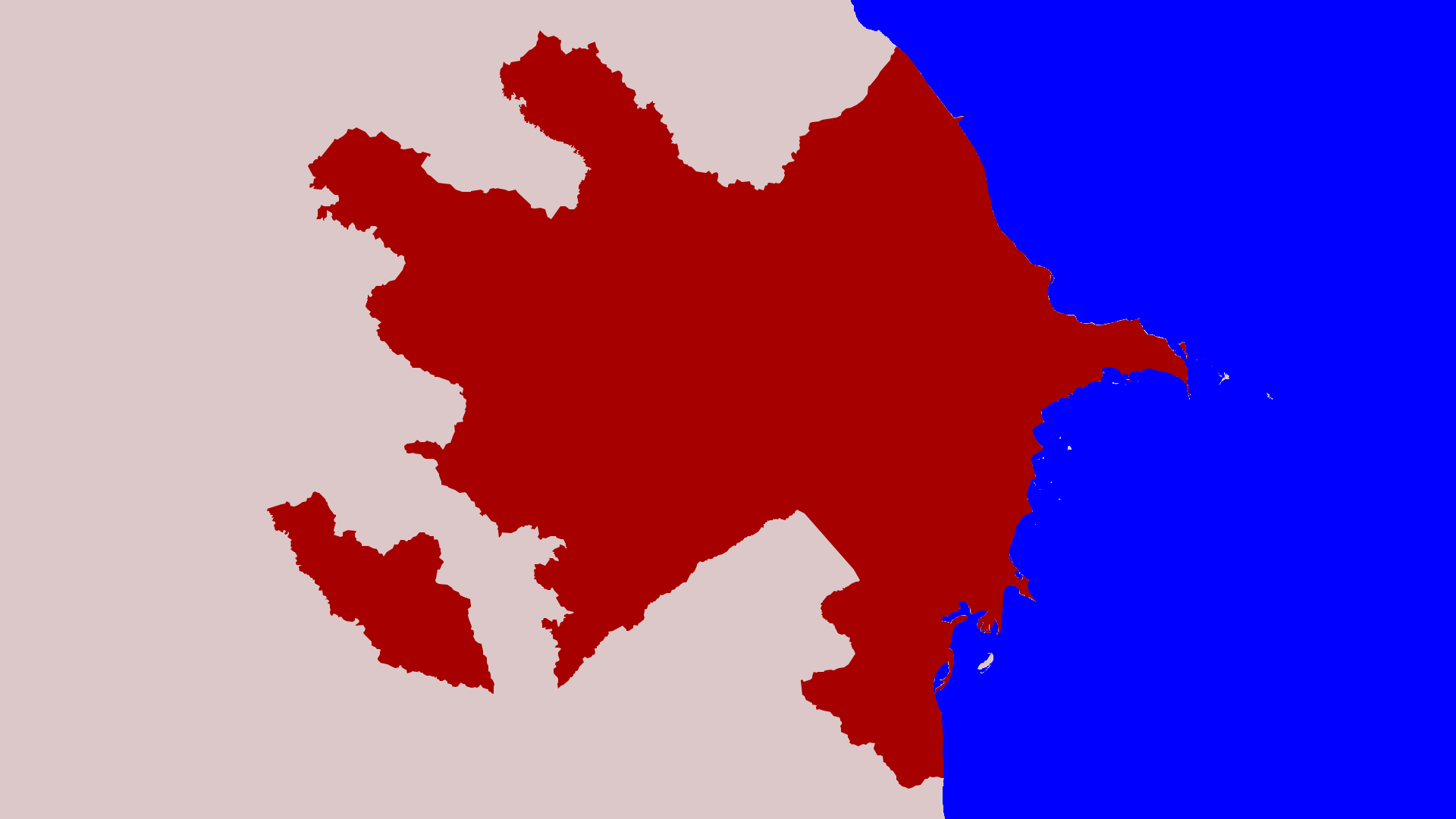
Aserbaidschan, a transcontinental country located at the crossroads of Eastern Europe and Western Asia, is renowned for its rich cultural heritage and strategic geopolitical significance. This unique nation has drawn attention due to its diverse landscapes, ancient history, and recent developments in the region.
A Brief History
Aserbaidschan has a long and complex history, influenced by various empires and cultures throughout the ages. Originally part of the ancient state of Albania, it saw the rise of Persian, Roman, and later Islamic empires. Gaining independence from the Soviet Union in 1991, Azerbaijan has made significant strides in establishing itself as a separate, sovereign nation with its own national identity.
Geographical Significance
The geography of Aserbaidschan is equally compelling. Stretching from the Caspian Sea in the east to the Caucasus Mountains in the west, it offers a variety of ecosystems, from arid plains to lush forests and high peaks. This diversity not only contributes to its natural beauty but also influences local agriculture, industry, and tourism.
Current Affairs and Economic Landscape
In recent years, Aserbaidschan has gained recognition for its rich oil and gas reserves, which play a crucial role in its economy. The country has embarked on numerous energy projects, such as the Southern Gas Corridor, which aims to diversify energy supplies to Europe. Despite economic growth, Aserbaidsjan faces challenges, including political tensions with Armenia over the Nagorno-Karabakh region. Clashes in recent years remind the international community of the fragile peace in the area.
Culture and Society
The cultural scene in Aserbaidschan is vibrant and multifaceted. It boasts a rich tradition of music, dance, and visual arts. The annual Baku International Jazz Festival and the UNESCO-recognized carpet weaving are just a few examples of its cultural heritage. Aserbaidschanis are known for their hospitality, which is rooted in their cultural practices, reflecting a society that values community and connection.
Conclusion
Aserbaidschan stands as a fascinating example of a nation at the intersection of ancient and modern, tradition and innovation. As it navigates the complexities of its political landscape and continues to develop its economy, the international community will likely keep a watchful eye on this diverse country. The future of Aserbaidsjan is shaped not only by its resources and geography but also by the resilience of its people and their rich cultural heritage.