








The wider picture
The conflict has escalated to the point where commercial aviation assets are being directly impacted. On March 23, 2026, an Emirates Airlines Airbus A380 was struck by Iranian fire while parked at Dubai International Airport. This incident has raised significant concerns regarding the safety of civilian aircraft in conflict zones, particularly as tensions in the region continue to rise.
In addition to the damage sustained by the Emirates A380, a Saudia Airbus A321 was also damaged during the same incident. Reports indicate that at least five aircraft were affected due to Iranian attacks at airports in both Dubai and Israel. The extent of the damage to the Emirates A380 and Saudia A321 is currently unknown, leaving many questions about the future of these aircraft.
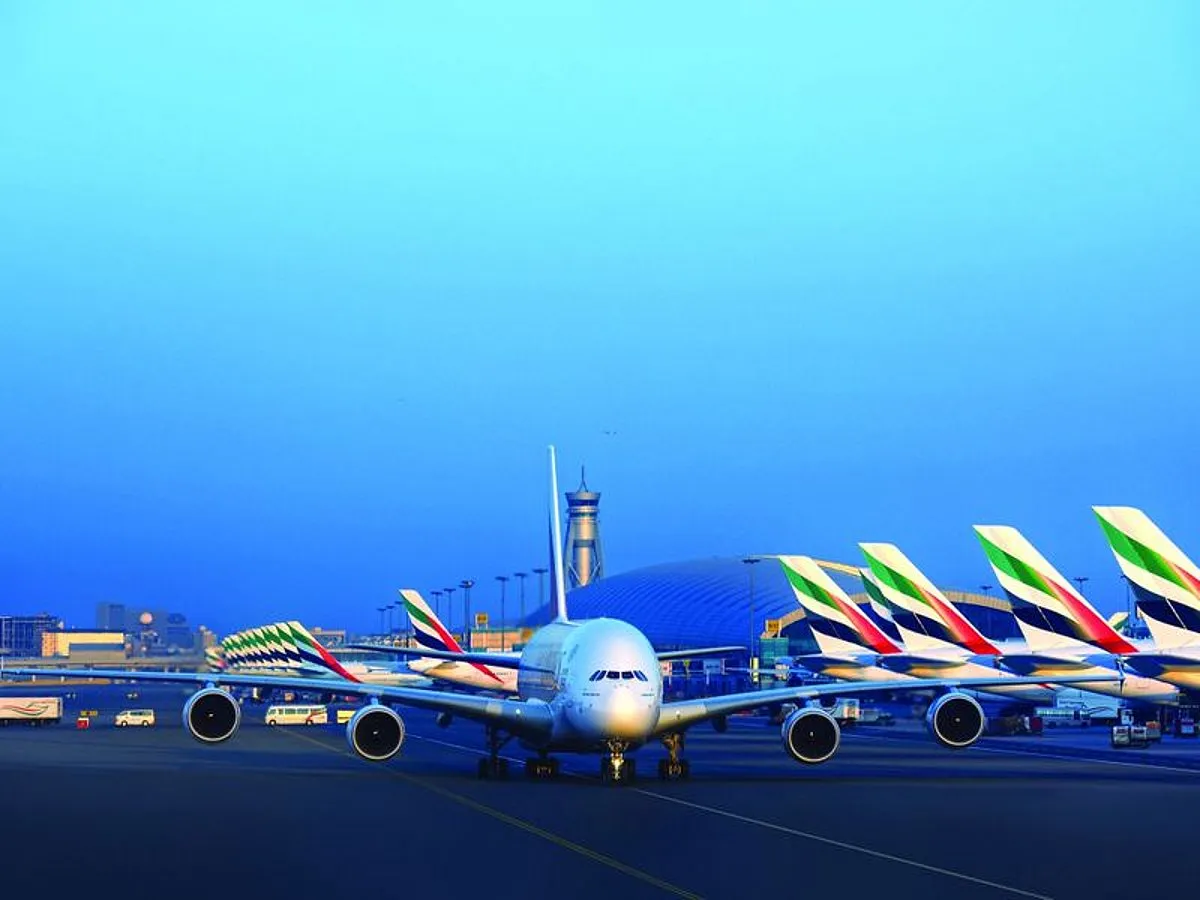
Emirates Airlines operates a significant fleet of Airbus A380s, with 123 of the 251 ever built currently in operation. Approximately 116 of these aircraft remain active, and the airline has expressed intentions to keep the A380 flying into the 2040s. However, the recent incidents have raised alarms about the risks associated with operating such large aircraft in areas experiencing military conflict.
The situation is compounded by the increasing risk of civilian aircraft being misidentified as hostile targets amid escalating conflict. Observers note that the claim suggests even major, well-defended hubs are not immune from the expanding threat envelope. This has led to heightened scrutiny of flight operations in the region.
Despite the dangers, airlines have reinstated hundreds of flights a day even as drones and missiles have struck across the region. This resilience in the face of adversity highlights the ongoing demand for air travel, but it also underscores the precarious nature of aviation safety in conflict-affected areas.
Details remain unconfirmed regarding the exact circumstances of the damage to the Emirates A380 and Saudia A321. It is also uncertain whether the damaged aircraft can be repaired and returned to service, adding to the anxiety surrounding commercial aviation operations in the region.
As the situation develops, officials and industry experts will be closely monitoring the implications for airlines operating in conflict zones. The aviation community is urged to prioritize safety and reassess operational protocols to mitigate risks associated with such incidents.