









Introduction
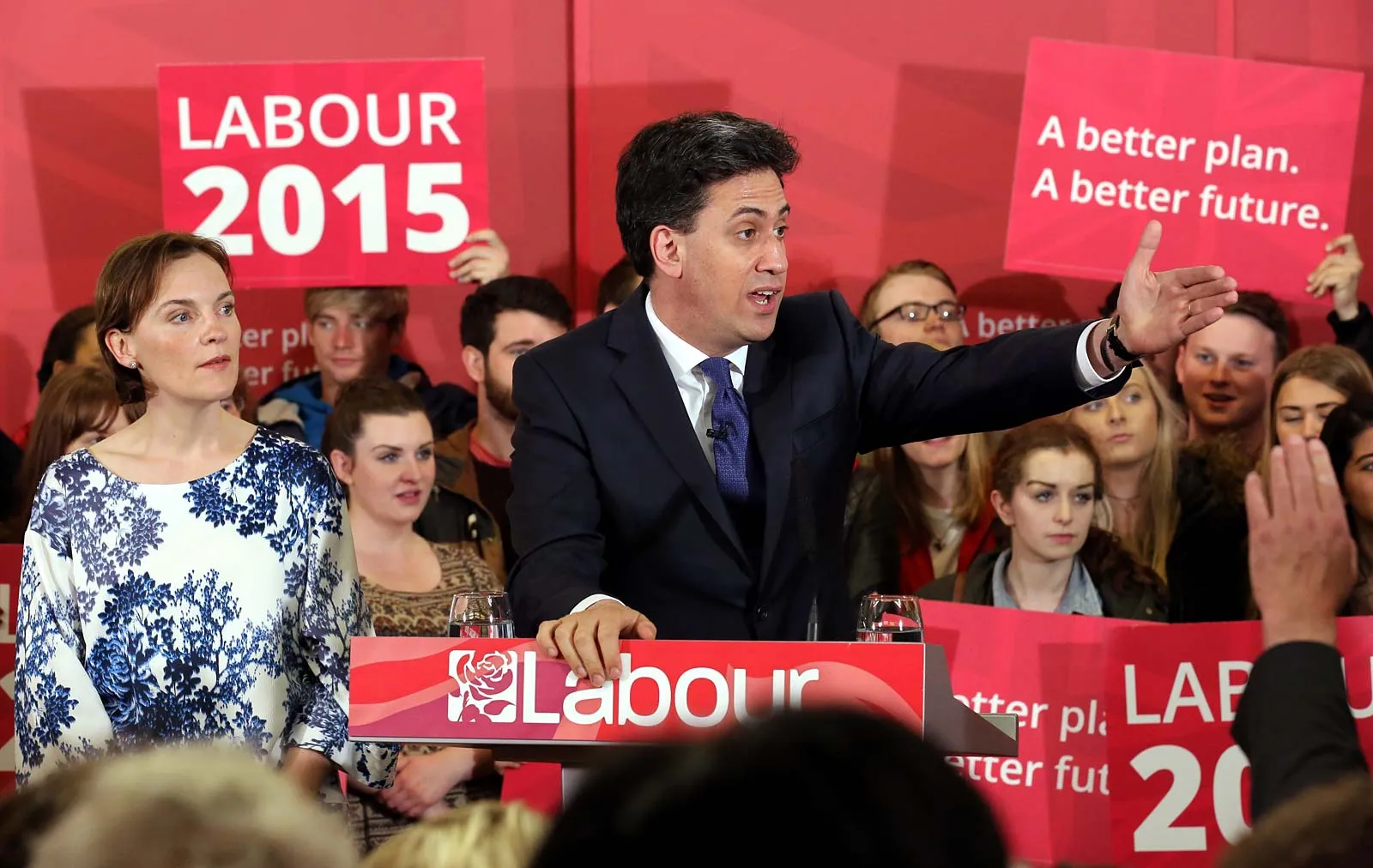
Ed Miliband, a prominent figure in the UK’s political landscape, continues to shape debates and discussions surrounding key issues such as climate change, social inequality, and economic reforms. As the former leader of the Labour Party and current Member of Parliament for Doncaster North, Miliband’s role remains significant, especially in the context of the upcoming general elections and shifting political tides.
Recent Developments
In recent months, Miliband has been vocal in urging for more ambitious environmental policies, highlighting the urgent need for action against climate change. His contributions to the All-Party Parliamentary Group on Climate Change have echoed the sentiments of many who advocate for immediate government interventions to address environmental crises. With COP28 approaching, Miliband’s perspectives on sustainability and green innovation are gaining traction, reflecting a greater awareness among the public and fellow politicians alike about the implications of climate inaction.
Moreover, Miliband has been active in discussions regarding economic disparities revealed by the COVID-19 pandemic. He has critiqued government policy on public services and welfare reforms, arguing for a more compassionate approach in economic recovery plans to assist the most vulnerable populations. His voiced concerns are in line with growing calls from Labour leaders and activists for a reformed social safety net to ensure equitable support during these challenging times.
Public Perception and Future Prospects
Public opinion polls reflect a gradual resurgence of interest in Miliband’s leadership style and perspectives. Reviews of his recent television appearances and social media engagement show a positive shift, with many younger voters acknowledging his efforts to modernise the Labour Party’s image. As party dynamics evolve, Miliband’s experiences in previous electoral contests add depth to Labour’s strategy heading into the next elections.
Looking ahead, Ed Miliband’s influence will likely continue to grow as he champions progressive policies and engages new voter demographics. His potential candidacy for additional party roles could ignite further vitality within Labour, especially as they recalibrate their narrative and policies to resonate with the changing electorate. Therefore, Miliband’s significance in British politics is pivotal, not only for his party but also for the broader political discourse in the UK.
Conclusion
In conclusion, Ed Miliband’s ongoing contributions to UK politics highlight his evolution as a key figure advocating for transparency, equality, and environmental responsibility. As the political landscape shifts with emerging challenges, Miliband’s influence will be instrumental in navigating the path forward for the Labour Party and shaping the future of policy in the UK.