









Antarctica Set for a Celestial Event
As the world gears up for a series of astronomical phenomena, Antarctica is poised to experience a remarkable annular solar eclipse on February 17, 2026. This event will see the moon partially obscuring the sun, creating a stunning visual effect that will darken the icy landscape of the continent. The eclipse is particularly significant as it occurs in a region known for its extreme conditions and unique wildlife, including penguins.
Details of the Eclipse
The annular solar eclipse will be visible from various locations across Antarctica, providing a rare opportunity for scientists and enthusiasts to observe this celestial occurrence. Andrew Wetzel, an astronomer, noted, “It’s a bit of a cosmic coincidence that even though the moon is much, much smaller than the sun, at their relative distances, the apparent size of the moon is just the same as the apparent size of the sun in the sky.” This phenomenon is due to the moon’s distance from Earth, which is approximately 400 times wider and farther away than the sun.
Future Celestial Events
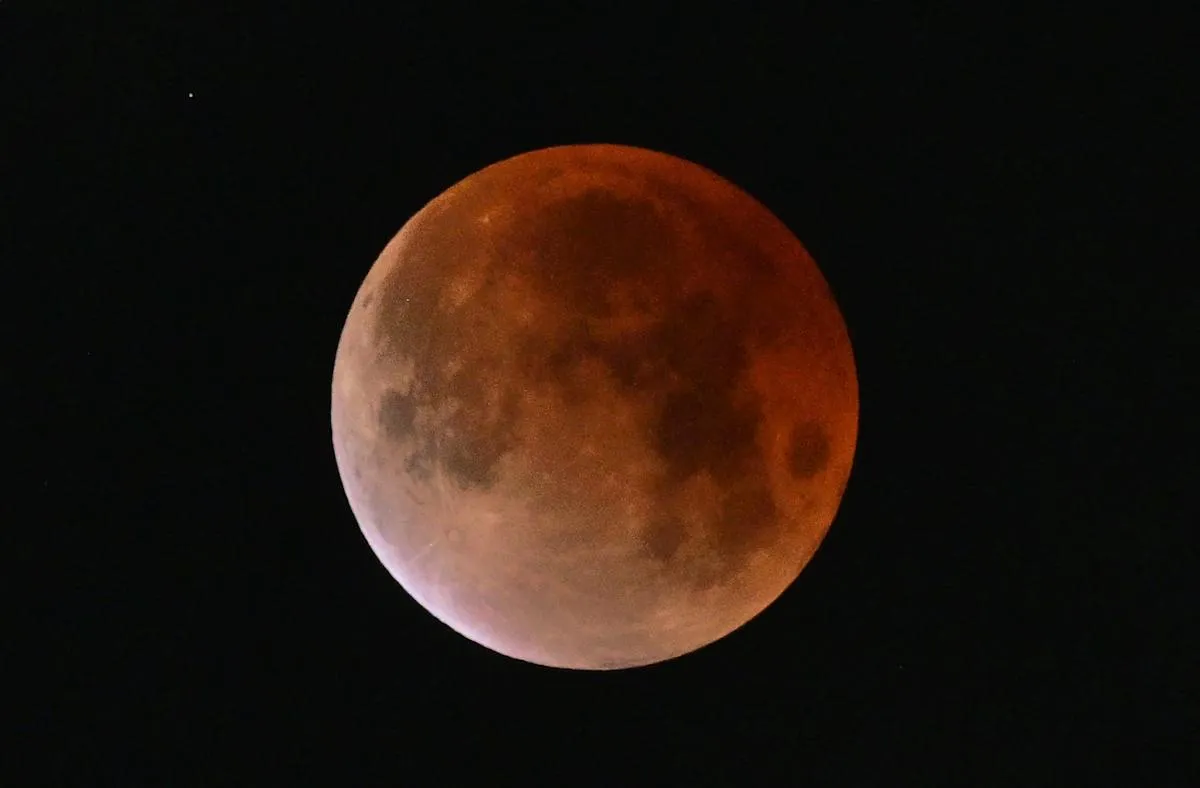
Following the annular solar eclipse, a total lunar eclipse is scheduled for March 3, 2026, which will make the moon appear crimson during its totality period that lasts almost one hour. This will be followed by another total solar eclipse on August 12, 2026. Such events are not only visually stunning but also provide valuable data for scientists studying the dynamics of celestial bodies.
The Moon’s Movement
As the moon continues to move away from Earth at a rate of approximately three centimeters per year, the likelihood of total solar eclipses will diminish over hundreds of millions of years. Dawn Y. Sumner, a prominent scientist, remarked, “As it gets farther away, [the moon] will appear smaller in the sky, and it makes it less likely, over long periods of time, to have full eclipses.” This gradual change in the moon’s distance is a critical factor in understanding future eclipses.
Impact on Science and Society
The significance of these celestial events extends beyond mere observation. Ksenia Bazylenko, an expert in the field, stated, “Such events always trigger deep processes that shape the development of situations in the world for many months to come.” The study of eclipses can lead to advancements in various scientific fields, including astronomy, physics, and environmental science.
Current State and Observations
As the date of the annular solar eclipse approaches, scientists are preparing to gather data and conduct observations that could enhance our understanding of the solar system. The unique conditions in Antarctica will provide a pristine environment for such studies, free from light pollution and other interferences common in more populated areas.
The upcoming annular solar eclipse in Antarctica is a reminder of the dynamic nature of our solar system and the intricate relationships between celestial bodies. As observers prepare for this event, the implications for scientific research and our understanding of the universe continue to grow. Details remain unconfirmed regarding specific observation sites and research initiatives, but the excitement surrounding this astronomical event is palpable.