






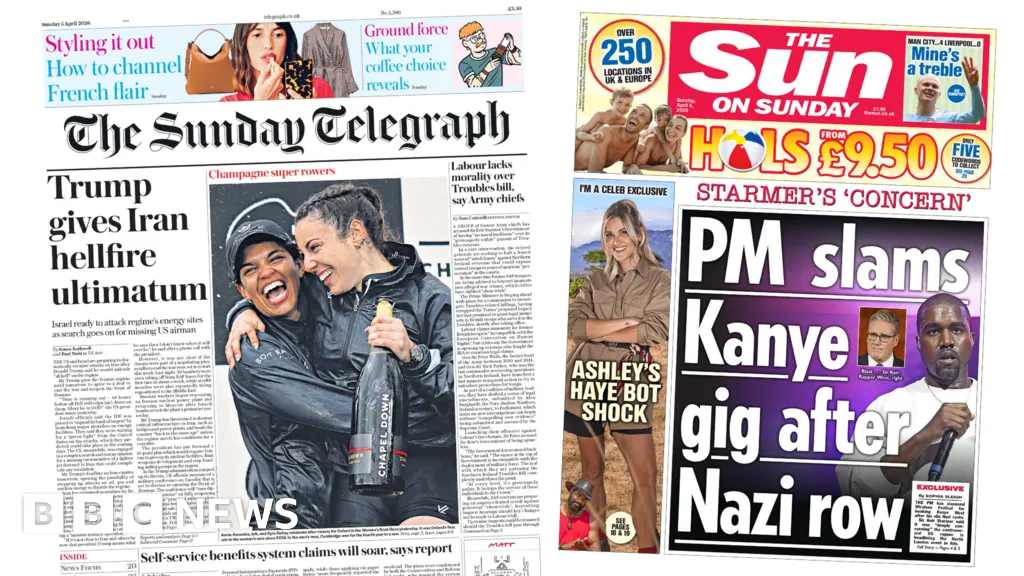
In a significant escalation of tensions, Donald Trump has issued a 48-hour ultimatum to Iran, demanding that the nation reach a deal or face severe consequences. The ultimatum was announced on April 4, 2026, amid ongoing conflicts in the region, particularly around the strategic Strait of Hormuz, which sees about 20 percent of the world’s oil and natural gas supplies pass through.
Trump’s threats included a stark warning that if Iran does not comply, “all Hell will reign down on them.” This statement underscores the heightened stakes as Iran has previously blocked passage through the Strait, impacting global energy markets.
The ultimatum follows a previous ten-day deadline set by Trump, which Iran failed to meet. In response to the escalating situation, US forces are currently searching for a missing crew member after an F-15E jet was shot down over Iranian territory.
In retaliation, Iran has launched drone and missile strikes targeting Israel and other nations, further complicating the already volatile situation. Trump has also threatened to destroy Iran’s electric generating plants and oil wells if a deal is not reached by April 6.
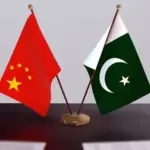
Iran has rejected a 15-point US plan presented through Pakistani mediators, indicating a lack of willingness to negotiate under the current terms. The Iranian military has responded to Trump’s threats with a warning of their own, stating, “the gates of hell will open for you.” This exchange of threats highlights the precarious nature of the situation.
The backdrop of these developments includes a joint offensive launched by the US and Israel on February 28, which resulted in over 1,340 casualties. The conflict has left the region on high alert, with Russia also taking precautionary measures by evacuating staff from Iran’s Bushehr nuclear power plant.
Despite the aggressive posturing, Trump has suggested that peace talks with Iran remain a possibility, indicating a potential avenue for de-escalation amidst the threats. The international community watches closely as the deadline approaches, with the potential for significant repercussions not just for Iran but for global markets reliant on the Strait of Hormuz.
As the situation develops, details remain unconfirmed regarding the exact responses from both sides and the potential for further military engagement. The coming hours will be critical in determining the trajectory of US-Iran relations and regional stability.