









Introduction
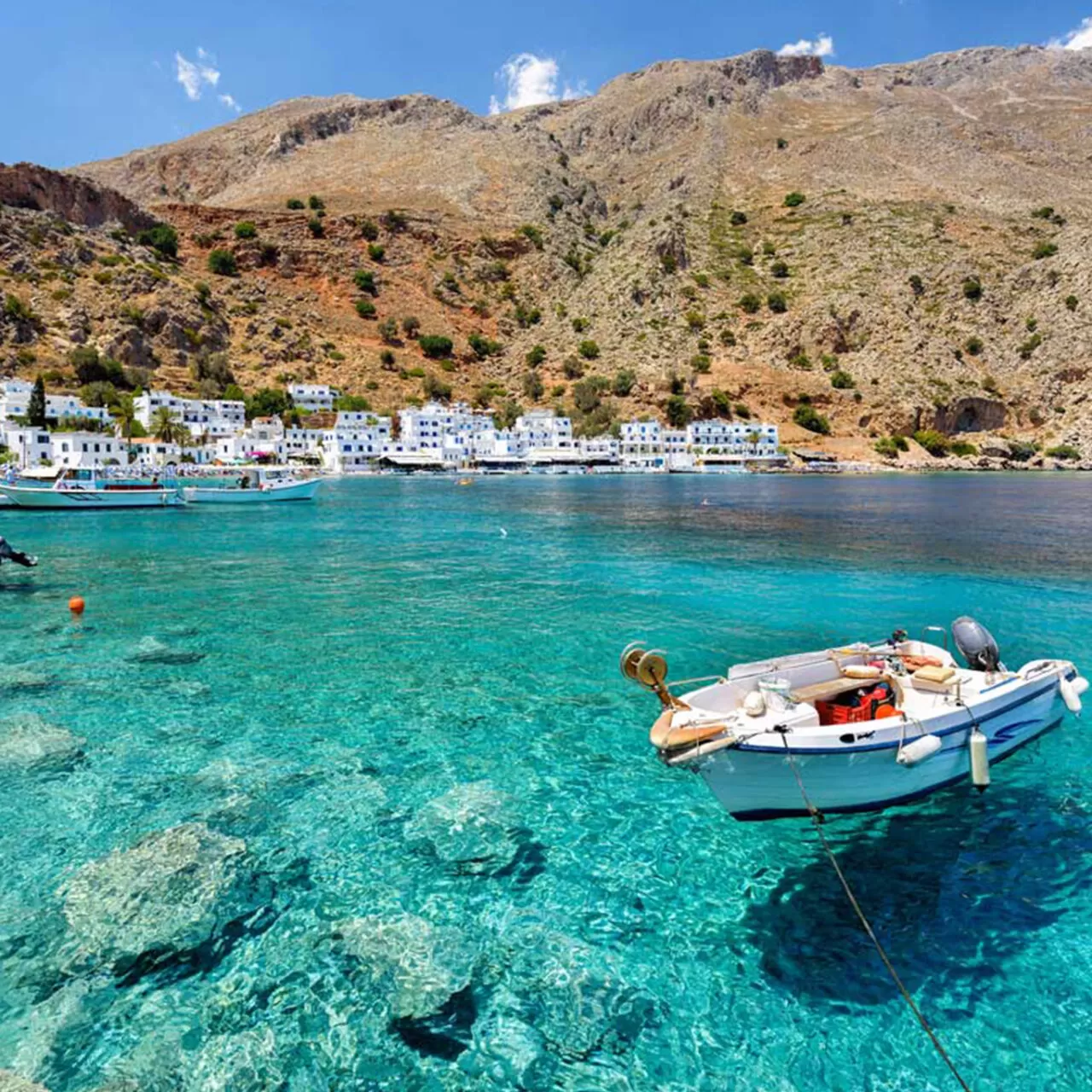
Crete, the largest of the Greek islands, is a destination that attracts millions of visitors each year. Its rich history, stunning landscapes, and vibrant culture make it a must-visit for anyone looking to experience the essence of Greece. From ancient ruins to beautiful beaches, Crete is an island that encapsulates the diversity and allure of Mediterranean life.
A Historical Overview
The island of Crete is steeped in history, possessing archaeological sites that date back to the Minoan civilization, which flourished around 2000 BC. The palace of Knossos, located just south of Heraklion, is one of the most significant archaeological sites on the island. This ancient site is believed to have been the ceremonial and political centre of the Minoan culture, reflecting advanced architecture and sophisticated society.
Throughout its history, Crete has been occupied by several civilisations, including the Romans, Byzantines, Venetians, and Ottomans. Each of these influences has left a mark on the island’s culture, architecture, and cuisine, contributing to its unique character that continues to resonate today.
Nature and Climate
Crete boasts a variety of natural landscapes, from rugged mountains to pristine beaches. The White Mountains, or Lefka Ori, offer superb hiking opportunities, while the Samaria Gorge is a popular destination for adventure seekers. The island also enjoys a Mediterranean climate, with hot, dry summers and mild, wet winters, making it an appealing year-round destination for outdoor enthusiasts.
Cultural Significance
Crete’s rich cultural heritage is evident in its festivals, music, and traditional cuisine. The Cretan diet, known for its emphasis on fresh ingredients and olive oil, is a highlight for tourists. Local dishes such as moussaka, dakos, and fresh seafood are commonly enjoyed, and wine from the local vineyards complements the culinary experience. Cultural events, including traditional music and dance festivals, provide insight into the island’s vibrant traditions and help preserve its rich folklore.
Conclusion
In summary, Crete is not just an island but a captivating destination that offers a blend of history, culture, and natural beauty. As international travel gradually returns to normal, experts predict an increase in tourism to Crete, as more travellers seek out places that offer both relaxation and a rich tapestry of experiences. Whether visitors are exploring ancient ruins, hiking through breathtaking landscapes, or indulging in the local cuisine, Crete promises unforgettable memories that last a lifetime.