









Introduction
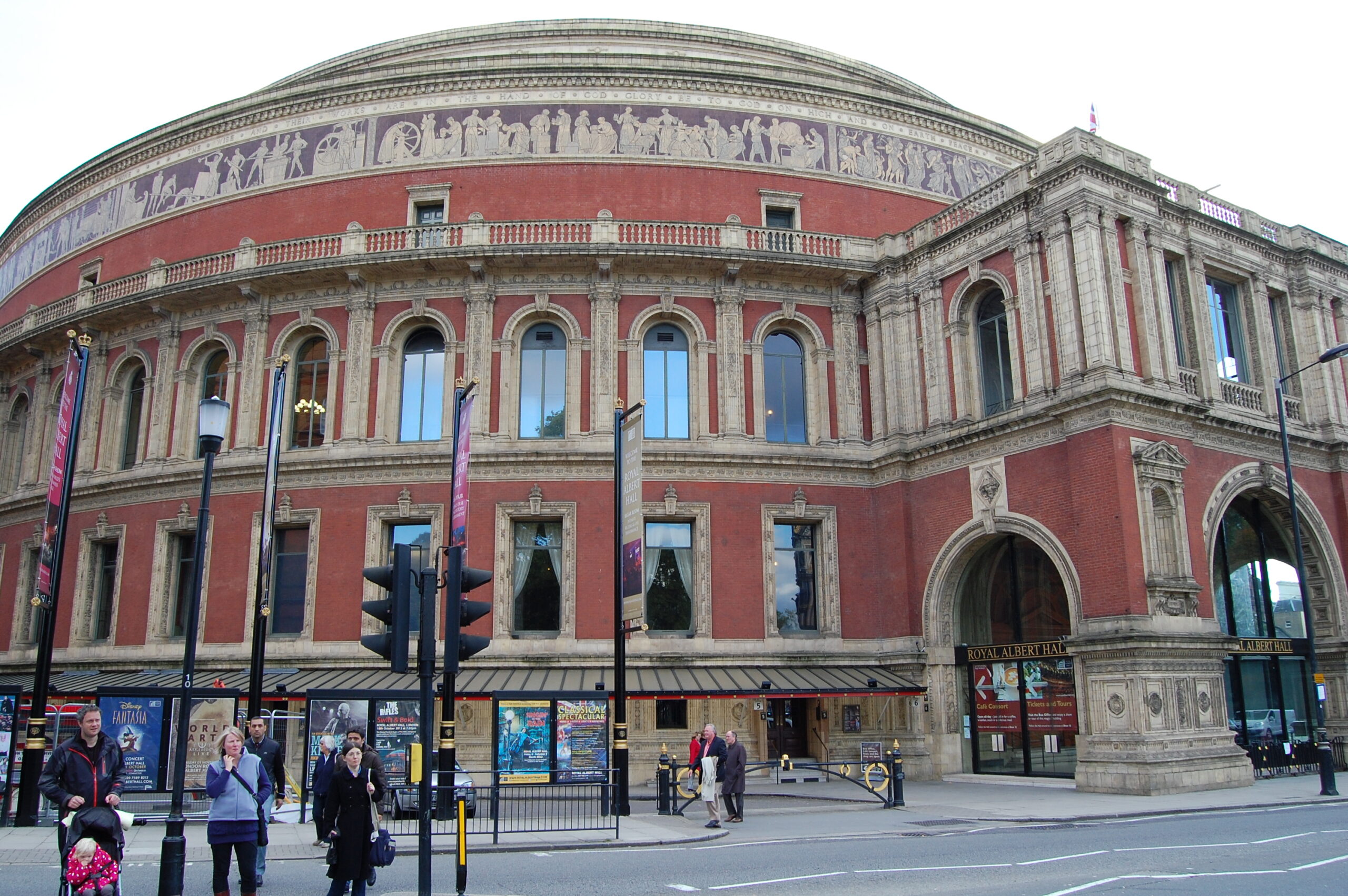
The Royal Albert Hall, located in the heart of London, is one of the most famous concert halls in the world. Opened in 1871, it is a symbol of British culture and heritage, known for hosting a wide array of performances including classical concerts, rock gigs, and film screenings. Its architectural beauty and remarkable acoustic properties make it a significant venue for artists and audiences alike. As we navigate through the culture of the post-pandemic world, the Royal Albert Hall plays a vital role in reviving the arts and bringing people together.
Recent Events and Activities
In recent months, the Royal Albert Hall has resumed its vibrant programme of events after navigating through the challenges posed by the COVID-19 pandemic. It has seen a resurgence in performances, showcasing classical music, theatre, and themed events that attract diverse audiences. The BBC Proms, an annual classical music festival, has returned to the venue, which sees thousands flock to experience live orchestral music, fostering a sense of community and connection.
Additionally, the Hall has embraced innovative ways to engage with audiences through live-streamed events and interactive experiences. With the introduction of new health and safety measures, patrons can now enjoy world-class performances in a safe environment, ensuring that the Hall continues to thrive.
Historical Significance
The history of the Royal Albert Hall is rich and varied. Established by Prince Albert in memory of Queen Victoria, its circular shape and grand dome reflect the significance of its origins. Over the years, it has witnessed monumental performances, from iconic concerts to significant cultural events. The Hall has served as a platform for renowned artists, including the likes of The Beatles, Led Zeppelin, and Adele, marking its influence in various musical genres.
Conclusion
The Royal Albert Hall remains a cornerstone of London’s cultural landscape, continuing to enchant visitors with its historic charm and modern offerings. As the arts sector evolves, the venue’s commitment to offering a diverse range of programming ensures its relevance for future generations. With plans for further renovations and outreach programs, the Royal Albert Hall is set to enhance its role as a beacon of cultural engagement, inspiring a new wave of artists and audiences alike.