









Introduction
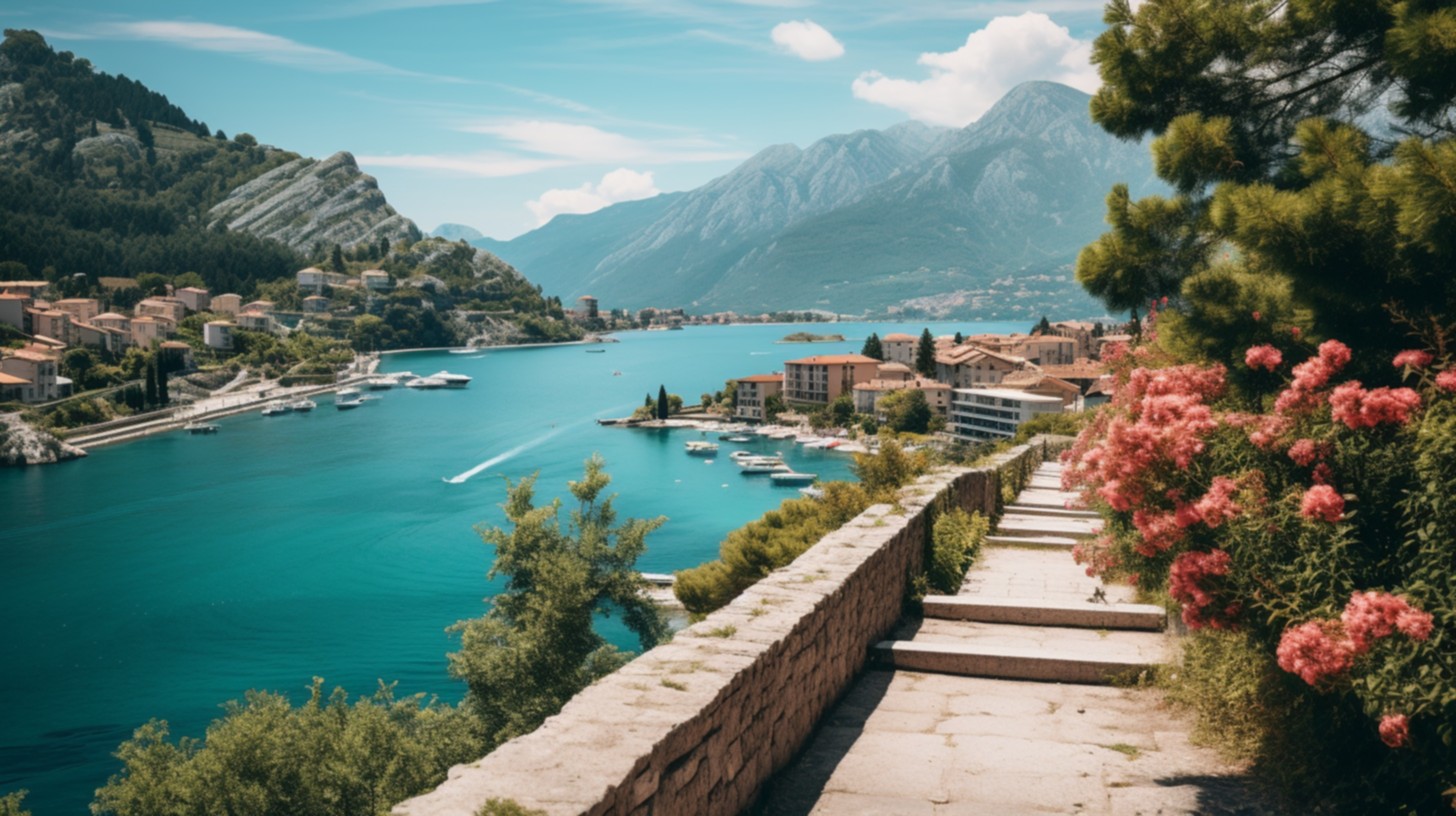
Montenegro, a small Balkan nation, has been gaining attention as a travel destination for its breathtaking natural landscapes, rich history, and cultural diversity. Nestled along the Adriatic coast, this hidden gem is quickly emerging as a favourite among tourists seeking both relaxation and adventure. With its stunning mountains, beautiful beaches, and a rich heritage, Montenegro offers an escape into unspoiled beauty.
Tourism Growth in Montenegro
In recent years, Montenegro has seen a significant rise in tourist numbers. According to the National Tourist Organisation of Montenegro, the country welcomed over 2 million visitors in 2022, marking a 25% increase compared to the previous year. This remarkable growth can be attributed to increased international flights to Tivat and Podgorica, as well as the country’s promotion as an eco-friendly destination, appealing to a growing demographic of environmentally conscious travellers.
Key attractions include the stunning Bay of Kotor, known for its dramatic fjord-like scenery, and the historic old town of Kotor, which is a UNESCO World Heritage site. The coastal town of Budva attracts sun-seekers with its beautiful sandy beaches and vibrant nightlife. Meanwhile, inland, Durmitor National Park offers breathtaking views, hiking trails, and the opportunity for winter sports, making it a year-round tourist hotspot.
Cultural Significance
Montenegro’s cultural heritage is a blend of various influences, including Venetian, Ottoman, and Slavic. The country’s Orthodox Christian monasteries, such as the Ostrog Monastery, are significant pilgrimage sites and architectural wonders that showcase Montenegro’s spiritual depth. Festivals celebrating local music, food, and tradition contribute to the country’s colourful identity, drawing visitors who wish to experience authentic Montenegrin culture.
Future Prospects
Looking into the future, Montenegro aims to develop sustainable tourism further while preserving its natural and cultural heritage. Local authorities are focusing on sustainable practices to ensure that tourism growth does not compromise the environment. Expectations are high for Montenegro to continue as a leading destination in Europe, with ongoing investments in infrastructure, hospitality, and travel amenities enhancing the visitor experience.
Conclusion
Montenegro is poised to become a prominent highlight on the European travel map. As it balances development with sustainability, this beautiful country promises visitors a unique blend of adventure, culture, and relaxation. Whether hiking in the mountains or soaking up the sun on its pristine beaches, Montenegro’s allure will likely keep attracting global visitors for years to come.