









Introduction to Crete
Crete, the largest of the Greek islands, has long been a sought-after destination for tourists due to its breathtaking landscapes, rich history, and vibrant culture. With its archaeological sites, charming villages, and stunning beaches, Crete holds both historical significance and contemporary appeal. This article delves into the various aspects of Crete that make it an essential location in the Mediterranean region.
Historical Significance
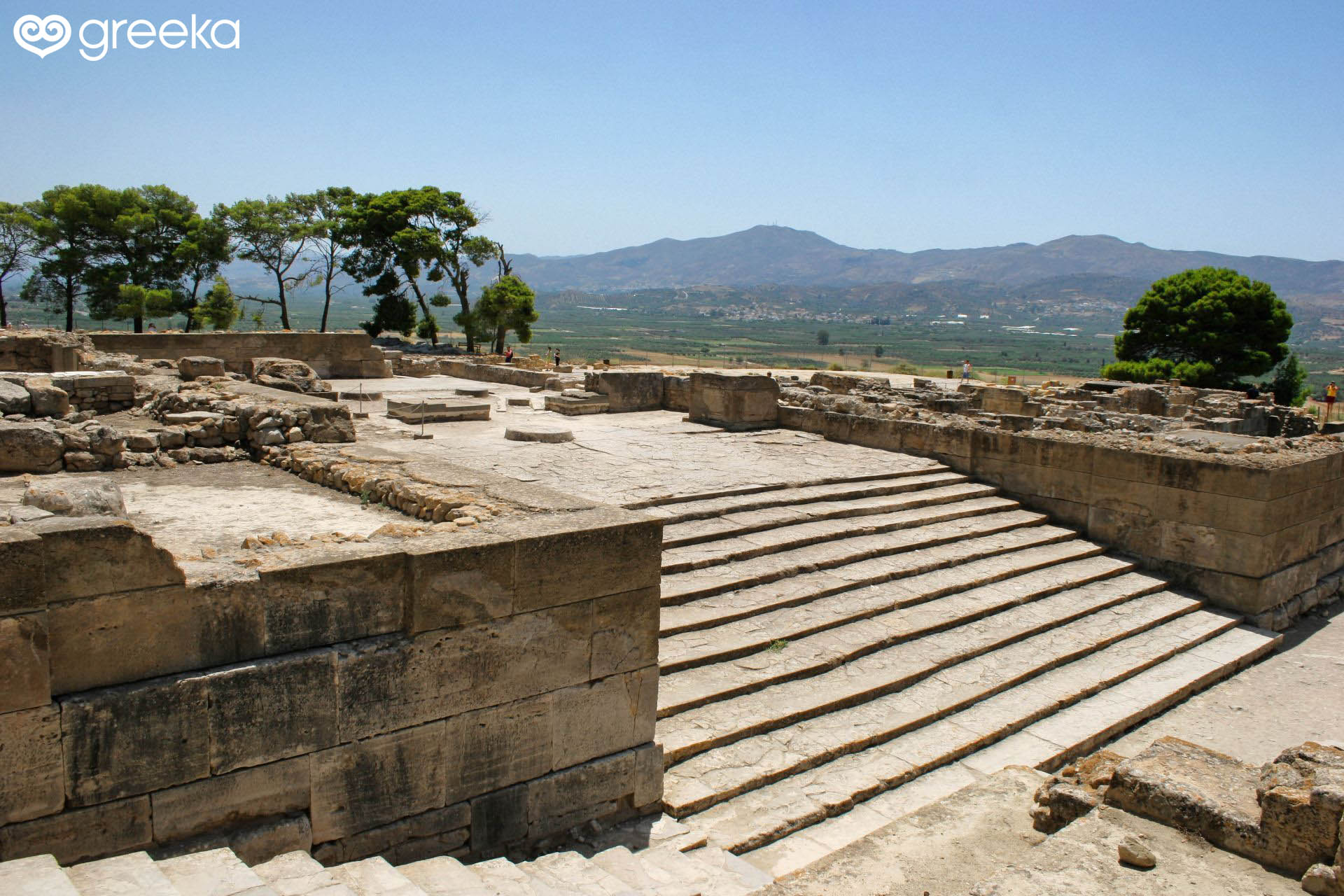
Crete is celebrated as the cradle of the Minoan civilization, one of the earliest advanced societies in Europe, dating back thousands of years. Key archaeological sites such as the Palace of Knossos, which is linked to the myth of the Minotaur, attract historians and tourists alike. UNESCO World Heritage Sites on the island echo its storied past and continue to influence modern understanding of ancient cultures.
Cultural Richness and Traditions
Cretan culture is a unique blend of influences that span centuries, from the Minoans to the Venetians and Ottomans. Traditional music, dance, and festivals, such as the famous Cretan Wine Festival, play a significant role in daily life, often featuring local cuisine that emphasises the use of olive oil, vegetables, and herbs endemic to the island. Tourists are encouraged to immerse themselves in local customs to gain authentic experiences.
Stunning Landscapes and Natural Attractions
Crete boasts diverse landscapes, including mountainous regions, rugged coastlines, and serene beaches. The Samaria Gorge, a national park and one of Europe’s longest gorges, offers hiking trails amidst unique flora and fauna. Beaches like Elafonissi and Balos are renowned for their breathtaking beauty and crystal-clear waters, making them popular spots for relaxation and enjoyment. The island’s geographical diversity makes it a haven for outdoor enthusiasts, offering activities such as hiking, sailing, and snorkeling.
Current Tourism Trends
As of 2023, Crete’s tourism continues to thrive despite the impact of global events. Recent reports indicate that the island is seeing a resurgence in visitors, particularly from European countries. Authorities have invested in sustainable tourism initiatives, ensuring that the natural beauty and cultural heritage of Crete are preserved for future generations. The trend towards eco-tourism reflects a growing recognition of the need to balance economic interests with environmental protection.
Conclusion: The Allure of Crete
Crete’s historical depth, rich culture, and stunning natural landscapes make it an iconic destination worth exploring. As tourism reaches new heights, preserving the island’s heritage while promoting responsible travel practices will be crucial. For those seeking a blend of relaxation, adventure, and culture, Crete offers an unforgettable experience that continues to draw visitors from around the world.