









Introduction
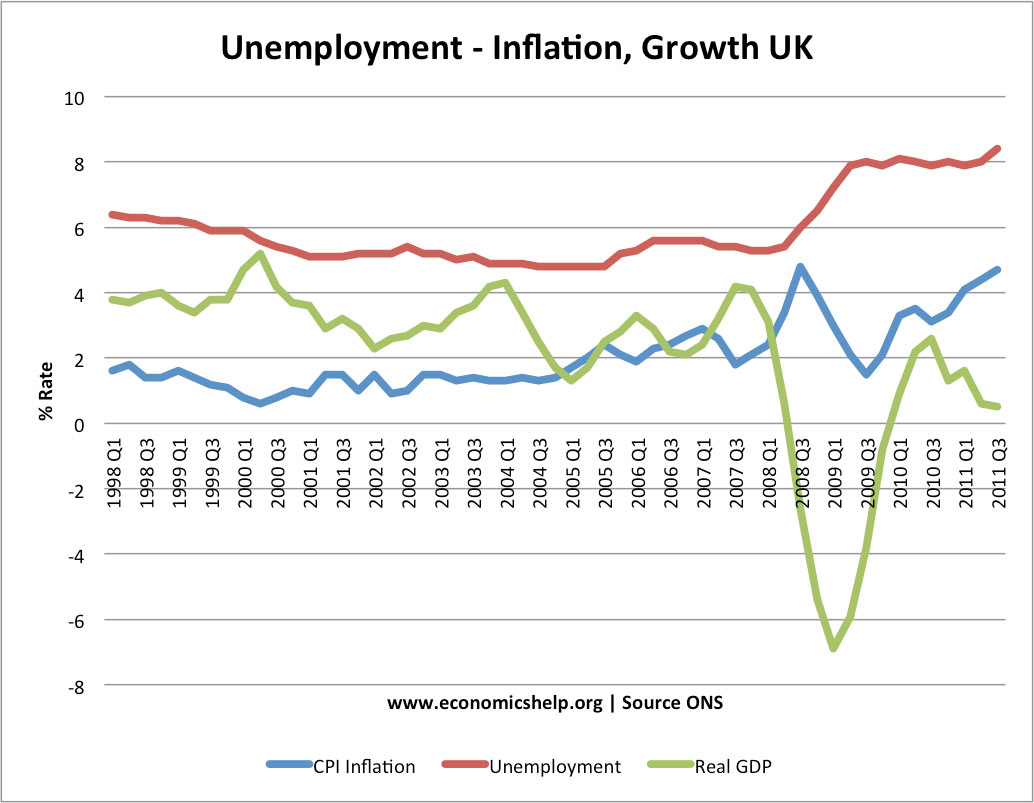
The unemployment rate is a critical economic indicator that reflects the health of a nation’s economy. In the UK, understanding fluctuations in this rate is essential for policymakers, businesses, and job seekers alike, particularly in the wake of the ongoing economic challenges post-pandemic. As of 2023, the UK unemployment rate serves as a vital measure for assessing the labour market’s resilience and the effectiveness of government policies aimed at economic recovery.
Current Statistics
According to the latest data from the Office for National Statistics (ONS), the UK’s unemployment rate stood at 4.2% in the three months leading up to August 2023. This figure indicates a slight decrease from the previous quarter, suggesting a gradual recovery in employment levels as businesses adapt to changing economic conditions. Notably, the number of unemployed individuals fell to approximately 1.4 million, a promising trend that indicates the labour market’s rebound.
Factors Influencing the Unemployment Rate
The decline in unemployment is attributed to several key factors. Firstly, many industries are experiencing growth, particularly in sectors like technology, healthcare, and hospitality, leading to increased job vacancies. The government’s initiatives, such as job retention schemes and skill development programs, have also played a significant role in supporting employment.
However, challenges remain. High inflation rates and rising energy costs have pressured businesses, potentially affecting future hiring rates. Additionally, the ongoing geopolitical tensions and supply chain disruptions are contributing to uncertainties in the market, which may influence hiring practices.
Impact on Society
Beyond the raw numbers, the unemployment rate has significant social implications. High unemployment can lead to increased poverty levels, reduced consumer spending, and a rise in mental health issues among those affected. Conversely, a lower unemployment rate tends to foster consumer confidence and economic growth, creating a positive feedback loop for communities and the nation at large.
Conclusion
The UK unemployment rate currently reflects a gradual recovery in the labour market, indicating positive trends overall. However, the road ahead is fraught with challenges that could impact the stability of employment levels. As policymakers and economists closely monitor these developments, businesses and job seekers must remain adaptable to navigate the evolving landscape. Looking forward, it will be crucial to foster sustainable employment practices to ensure that the progress made does not stall and that the nation’s workforce remains robust and resilient.