









Introduction
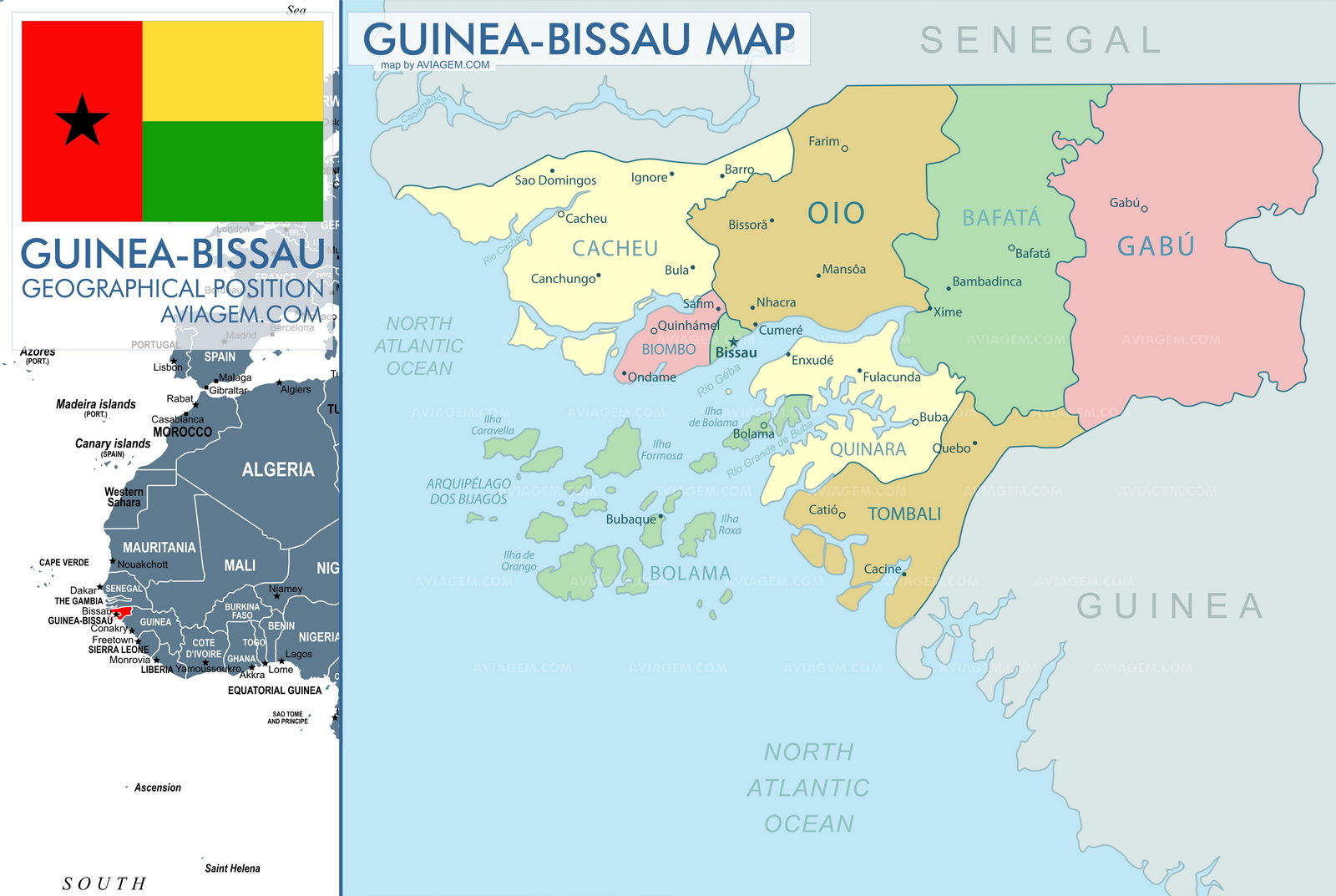
Guinea Bissau, a small West African nation, has faced significant political challenges and social issues in recent years. Understanding the current developments in this country is crucial for comprehending its future trajectory, especially given its strategic location and complex history of governance. The relevance of Guinea Bissau in regional dynamics makes it an important focus in both political and economic discussions.
Political Landscape
As of 2023, Guinea Bissau’s political environment remains tumultuous, marked by a history of instability since gaining independence from Portugal in 1973. Recent elections have sparked debates about legitimacy and governance, with the latest presidential election held in late 2022 raising questions about electoral integrity. New President Umaro Sissoco Embaló, who assumed office after a contentious electoral process, is attempting to navigate the country through these turbulent waters. His leadership is crucial in uniting a politically fragmented society and addressing public concerns regarding corruption and governance.
Economic Challenges and Opportunities
Economically, Guinea Bissau faces significant hurdles, including reliance on cashew nuts, which account for a large portion of its exports. The World Bank has reported that the country’s economy contracted sharply during the COVID-19 pandemic, impacting livelihoods and economic stability. However, there are potential growth opportunities in sectors like agriculture and fisheries. Recent initiatives to diversify the economy and attract foreign investment are being introduced, aiming to reduce reliance on agricultural exports and create job opportunities.
International Relations and Support
Guinea Bissau’s relationship with international bodies is also key to its future. The Economic Community of West African States (ECOWAS) is actively involved in fostering peace and stability in the nation. Moreover, the European Union has expressed commitment to improving diplomatic relations and supporting development initiatives aimed at enhancing governance and socio-economic conditions.
Conclusion
The situation in Guinea Bissau is a mixed bag of challenges and opportunities. While the country is striving to overcome its political instability and economic difficulties, there remain significant hurdles ahead. The capacity for growth will depend largely on effective governance, the establishment of trust in political institutions, and the fostering of international partnerships. For many, the evolution of Guinea Bissau presents a study of resilience and potential in the face of adversity, making it a nation to watch in the coming years.