









“The decision to limit the fuel price hike is aimed squarely at reducing the financial strain on Chinese consumers and industries that rely heavily on fuel,” a government spokesperson stated following the announcement.
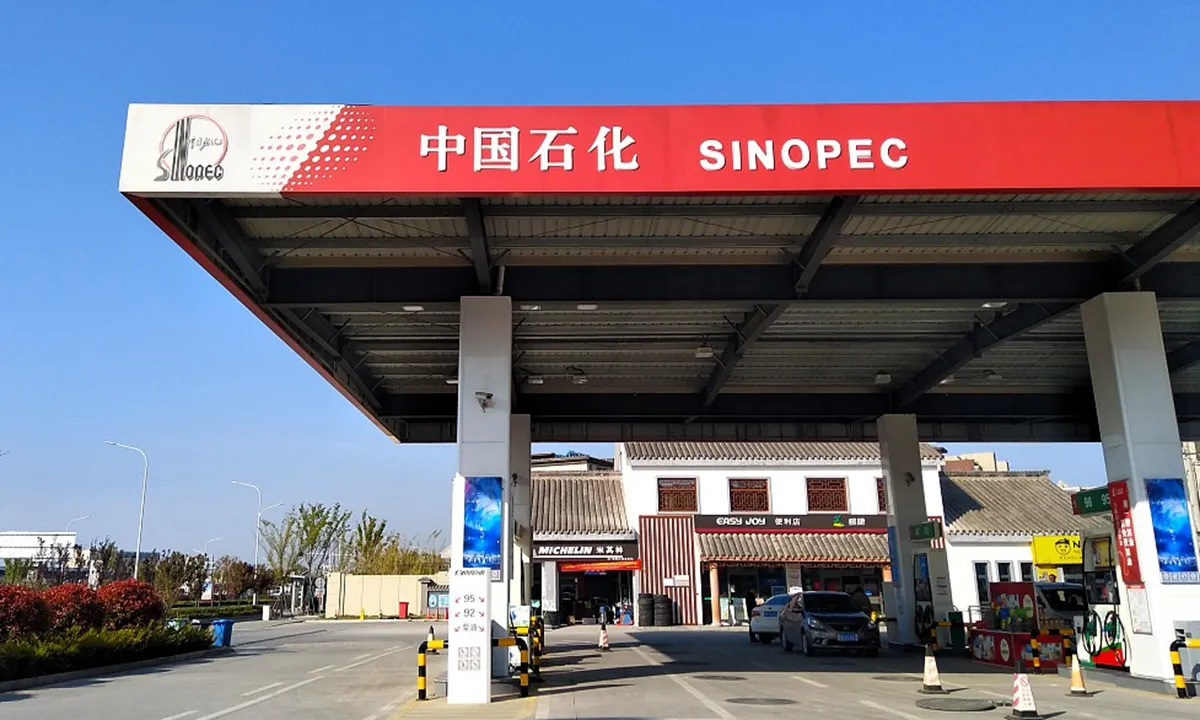
China has recently implemented its second fuel price hike this month, lifting prices by a record amount. This adjustment comes as the country grapples with rising global oil prices, which have significantly impacted domestic energy costs.
In response to the surging costs, Chinese authorities have capped the latest fuel price hike to ease the burden on consumers. This measure reflects a broader strategy by Beijing to intervene in the energy market, shielding the economy from volatile global commodity swings.
The adjustments in fuel prices are the largest on record, highlighting the challenges China faces in managing energy costs domestically. The country operates a pricing system that adjusts domestic fuel prices based on international crude oil benchmarks, which has left it particularly exposed to fluctuations in global energy prices.
Chinese regulators have imposed a ceiling on the price hike to prevent the full pass-through of international oil price increases. This decision aims to support fuel suppliers while maintaining market stability amid rising costs.
As one of the world’s largest importers of crude oil, China is significantly affected by the volatility of international energy markets. The latest fuel price adjustments underscore the delicate balance the government must maintain between supporting consumers and ensuring the viability of fuel suppliers.
These recent developments in fuel pricing come as regulators continue to navigate the complexities of the energy market, implementing temporary measures to manage the surge in global oil costs.
While the immediate impact of these changes is being assessed, the government is expected to monitor the situation closely and make further adjustments as necessary to stabilize the market.
Details remain unconfirmed regarding the long-term implications of these price hikes on the broader economy, but the focus remains on mitigating the effects on consumers and industries reliant on fuel.