









Introduction
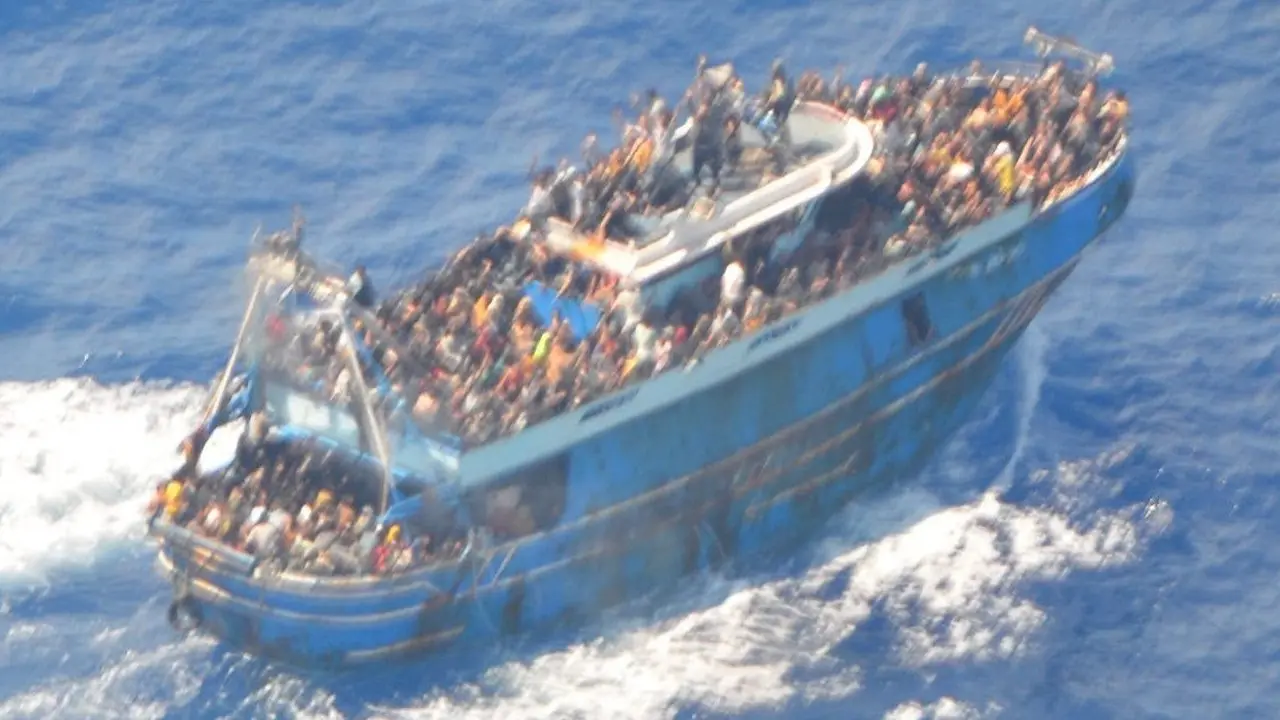
The inquiry into the tragic sinking of a migrant boat in the English Channel has become a focal point for discussions around migration, safety, and the responsibilities of nations involved. The incident, which occurred earlier this year, raised urgent questions about the safety measures in place for vulnerable migrants attempting dangerous crossings. With the Channel witnessing numerous such incidents, the inquiry’s findings will hold significant implications for policies regarding asylum seekers and the protection of human life at sea.
Details of the Incident
On January 20, several migrants set off from France towards the UK in a small, overcrowded boat. Unfortunately, the vessel capsized, leading to the loss of at least 27 lives. The event shocked the nation and pushed authorities to launch an inquiry aimed at uncovering the circumstances leading to the tragedy. This inquiry is examining the role of multiple stakeholders, including UK and French border officials, human traffickers, and rescue operations.
Key Findings and Current Actions
Recent hearings of the inquiry have shed light on a range of issues. Eyewitness accounts suggest that inadequate search and rescue operations were a factor in the tragedy. Survivors, who managed to cling to debris, reported that there was a significant delay before help arrived. Furthermore, the inquiry is scrutinising the legal frameworks that govern such maritime operations, emphasising the need for a more coordinated effort between the UK and France to prevent further tragedies.
The inquiry has also prompted discussions about the treatment of migrants and the policies of both nations. As the hearings continue, testimonies from experts and government officials are being collected to inform future policy changes aimed at enhancing maritime safety.
Conclusion
The Channel migrant boat sinking inquiry not only seeks justice for the victims but is also positioned to influence future policies surrounding migration and maritime safety. As authorities delve into the findings, it is anticipated that their conclusions could bring about significant reforms. Experts suggest that without immediate and comprehensive changes to policy, the Channel will continue to be a perilous route for migrants. The implications of this inquiry will extend beyond the immediate context, shaping how nations approach migration in the years to come, making it crucial for both policymakers and the public to stay informed on the outcomes.