








Introduction
Rabbie Burns, born on January 25, 1759, is widely regarded as Scotland’s national poet and a key figure in the Romantic movement. His works, which include the famous ‘Auld Lang Syne’ and ‘To a Mouse’, not only encapsulate the spirit of Scottish culture but have also impacted poetry and music globally. As Scotland prepares for the annual Burns Night celebrations on January 25, 2024, the discussion around Burns’ influence and legacy is more relevant than ever.
Celebrating Burns Night
Burns Night is an annual celebration that involves a traditional supper where his poetry is recited, and his life celebrated through readings and performances. The event has gained popularity outside of Scotland, with events held in cities worldwide. This year, the Burns Society anticipates an increase in attendance as more people seek to connect with Scottish heritage and the arts.
Burns’ Impact on Literature and Culture
Rabbie Burns wrote in both Scots and English, making his works accessible to a wider audience. His themes of love, nature, and social justice resonate deeply with readers. Burns’ poetry often reflects the reality of life in 18th-century Scotland, portraying the struggles and joys of everyday people. His ability to encapsulate human emotions has earned him a place in the canon of English literature, influencing generations of poets worldwide.
Recent Events and Commemorations
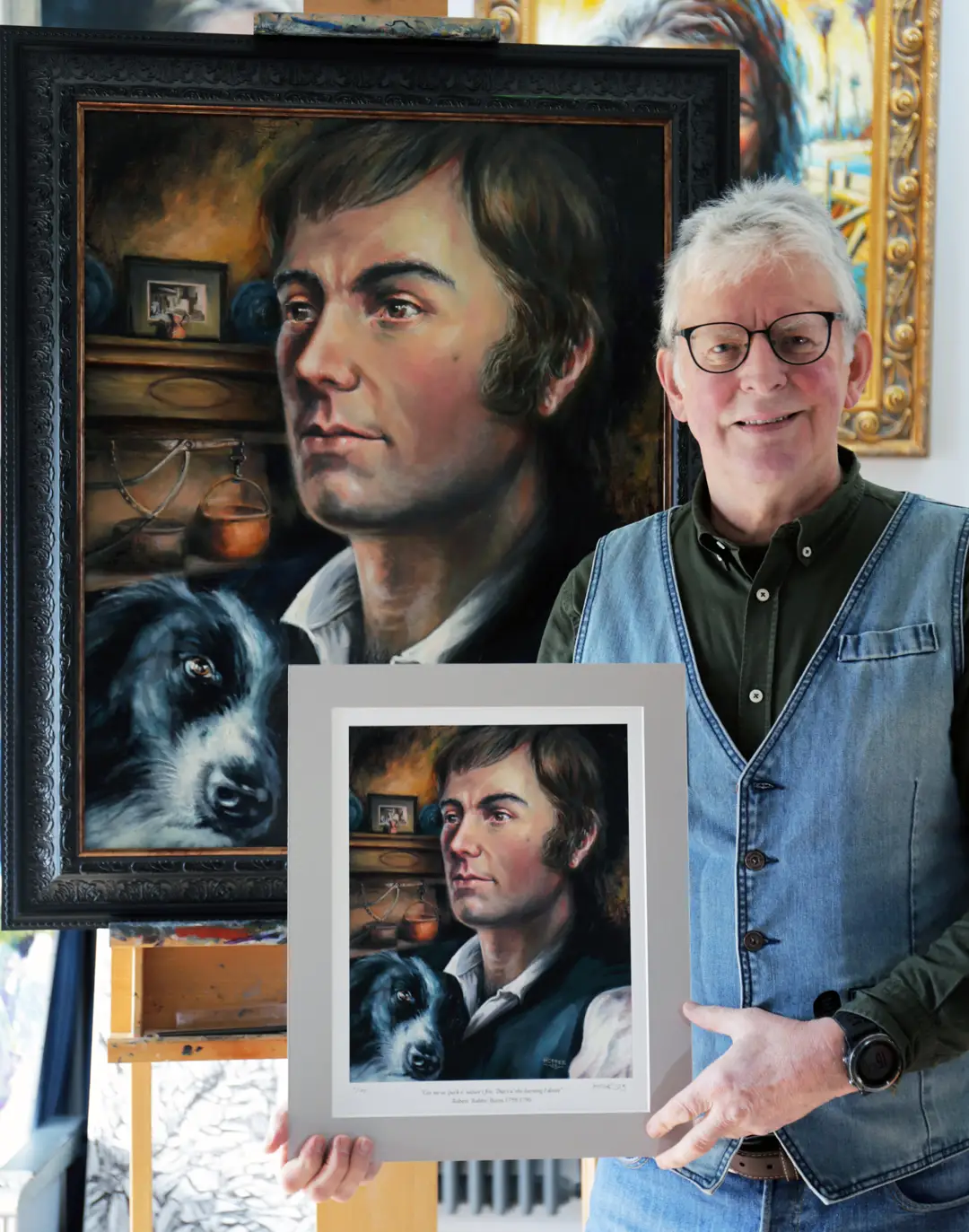
In 2023, events commemorating Burns’ life included poetry competitions, art exhibitions, and educational panels aimed at bringing attention to his existing works and their modern interpretations. Moreover, universities are offering courses dedicated to exploring Burns’ impact on literature and culture, highlighting the continued relevance of his works in contemporary society.
Conclusion
As the world gears up for another celebration of Rabbie Burns, it remains clear that his influence goes beyond mere words on a page. Burns’ capacity to unite people through his poetry is as potent today as it was in his time. The ongoing appreciation and analysis of his work demonstrates that Rabbie Burns is not just a figure of the past, but a vital part of present and future cultural identity. With the continued celebrations and a deeper introspection into his works, Burns’ legacy is sure to thrive in the hearts of many.