







Introduction to Chinese New Year
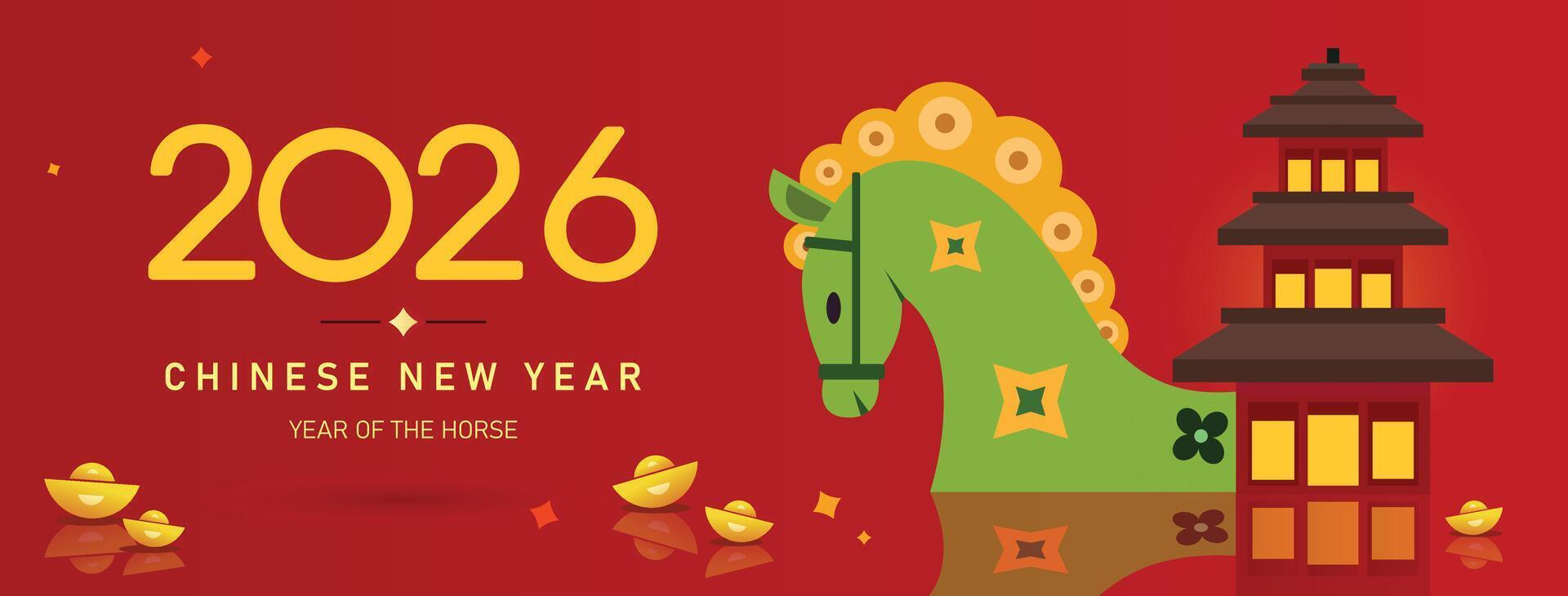
Chinese New Year, also known as Lunar New Year or Spring Festival, is one of the most significant traditional holidays celebrated in China and by Chinese communities worldwide. In 2026, the festivities will mark the Year of the Fire Horse, commencing on February 17 and concluding on February 25, 2026. This holiday is not only a time for family reunions but also a period to honour deities and ancestors, making it highly relevant for cultural preservation and community bonding.
Celebration Details and Traditions
One of the most prominent aspects of Chinese New Year is its rich array of customs and traditions. Preparations for the festival typically begin weeks in advance. Families will clean their homes thoroughly to sweep away bad fortune and make room for incoming good luck. Red decorations and lanterns are hung, as red signifies happiness and luck in Chinese culture.
The Chinese New Year Eve dinner is a significant event, featuring a feast of traditional dishes that carry auspicious meanings, such as fish for abundance and dumplings for wealth. The reunion dinner is attended by family members, symbolising unity and prosperity.
On New Year’s Day, various festivities occur, including parades, dragon and lion dances, and fireworks, which are believed to scare away evil spirits. Many people also exchange red envelopes (hongbao) containing money, symbolising good wishes and luck for the year ahead.
The Global Impact of Chinese New Year
In 2026, cities across the globe, including London, Sydney, and New York, are expected to host vibrant celebrations to mark the occasion. These events will attract thousands of participants, showcasing cultural performances, culinary delights, and parades. The significance of Chinese New Year has expanded beyond cultural roots, marking an important economic event as businesses prepare for the festive shopping spree.
Conclusion and Future Outlook
As we approach Chinese New Year 2026, understanding its cultural significance and the expectations around how it will be celebrated can enhance appreciation for this vibrant festival. With the growing global interest in multicultural celebrations, the festivities surrounding the Year of the Fire Horse are likely to unite people from all backgrounds, promoting cultural understanding and harmony.
Moreover, it is forecasted that larger participation in events related to Chinese New Year in Western nations will reflect ongoing interest in Asian culture and traditions, indicating a future where such rich heritage continues to flourish and evolve in a global context.