









Introduction
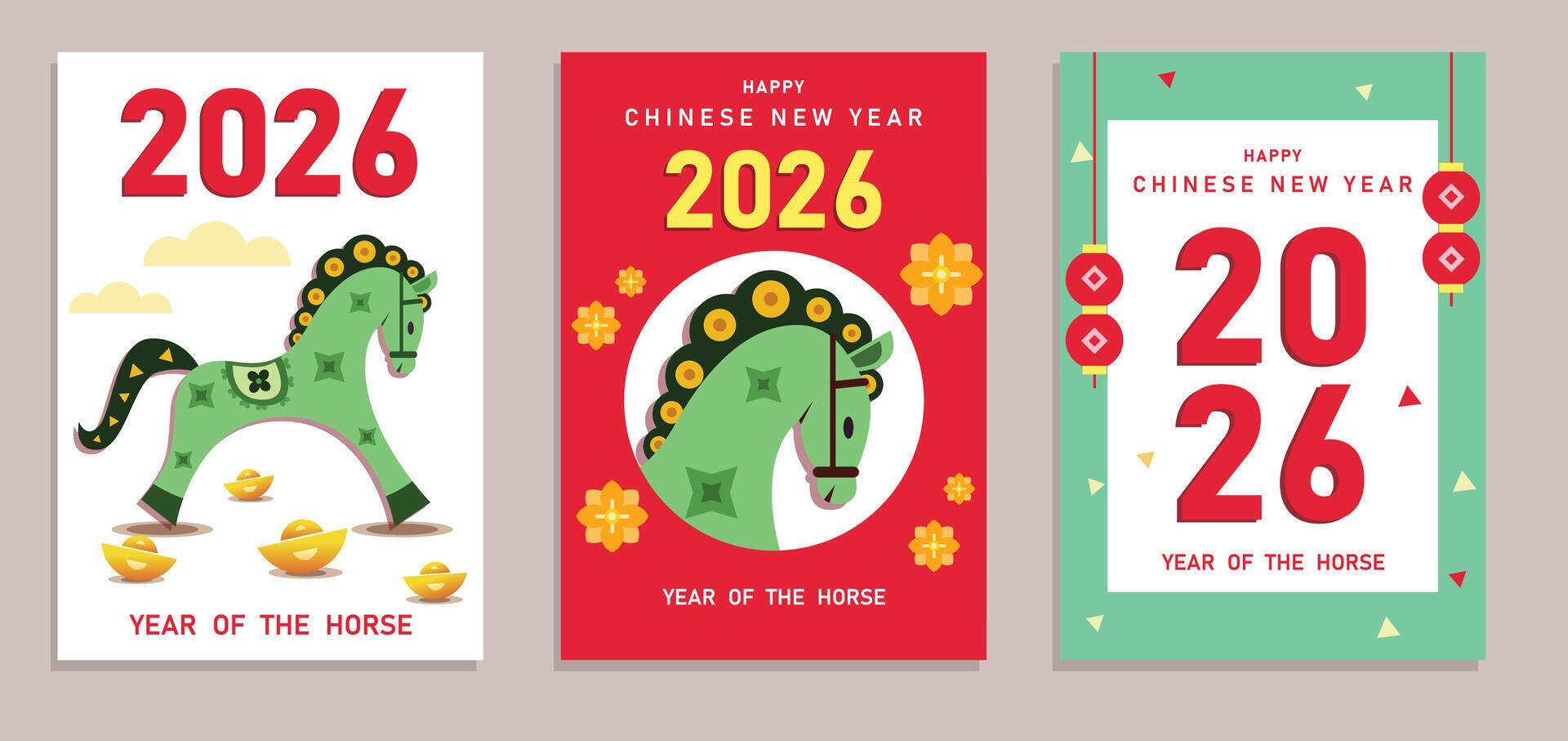
Chinese New Year is one of the most significant cultural celebrations for millions around the world, marking the beginning of a new lunar calendar year. In 2026, the Chinese New Year falls on February 17, and as the Year of the Fire Horse, this festival will carry a unique significance. Understanding its importance helps preserve traditions and enrich cultural diversity in communities worldwide.
What to Expect in 2026
The Year of the Fire Horse is particularly symbolic, associated with qualities such as passion, independence, and energy. For people born in the Year of the Horse, this year is believed to be especially auspicious. Families and communities prepare for the celebrations with various activities, including cleaning their homes as a way to sweep away bad fortune from the previous year and welcoming good luck.
Traditional Celebrations
Chinese New Year celebrations often span up to 15 days, culminating in the Lantern Festival. Traditional elements include family reunions, feasting, and the exchange of red envelopes (hongbao) filled with money, symbolising good luck. Popular dishes served during the celebrations include dumplings, fish, and glutinous rice cakes, each carrying distinct meanings tied to fortune and prosperity. Furthermore, various cultural activities, such as lion dances, fireworks, and temple fairs, provide vibrant entertainment.
2026 Events Worldwide
In addition to personal celebrations, many cities with significant Chinese populations, including London, Sydney, and San Francisco, organise grand parades and community events. For instance, London’s Chinatown is expected to host elaborate festivities, attracting thousands of visitors to witness displays of traditional music, art, and dance. As the global interconnectivity grows, celebrations are increasingly embracing hybrid elements, integrating both in-person and virtual events to accommodate a wider audience.
Conclusion
As we approach Chinese New Year 2026, the anticipation for festivities continues to build. The event not only serves as a reminder of the rich cultural heritage associated with the lunar calendar but also fosters an environment of unity and joy. Local economies will benefit from the increased participation in celebrations, and the shared experience of this festival will further promote understanding and appreciation of Chinese traditions globally. Keeping the spirit of Chinese New Year alive is paramount as we step into this vibrant year ahead.