





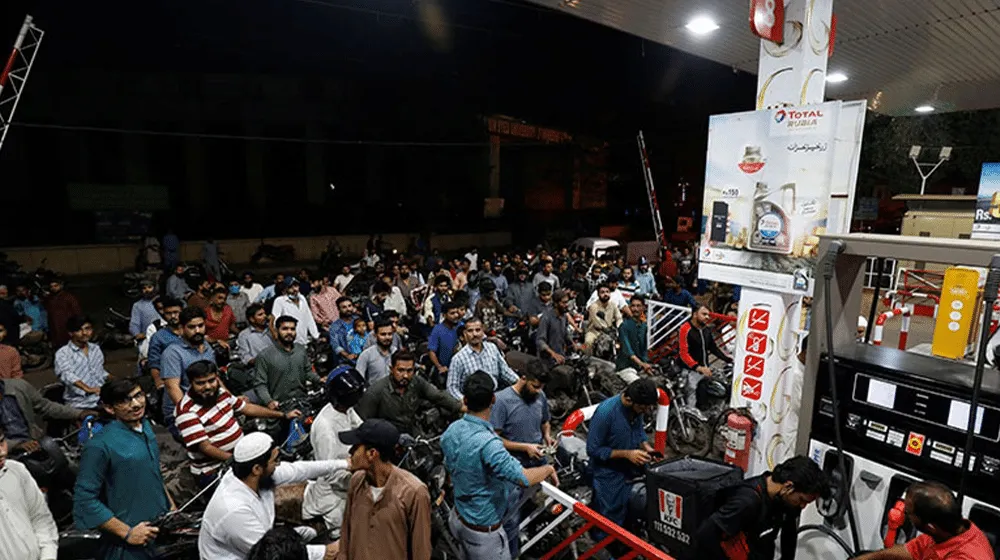
Rising fuel prices have significantly increased commuting costs, making targeted subsidies a key policy tool. In response, the federal government has announced a petrol subsidy specifically for motorcycle riders, a move aimed at alleviating the financial burden on daily commuters.
The subsidy will be transferred directly to registered owners’ bank accounts via digital wallets, ensuring a streamlined process for beneficiaries. Motorcycles will receive a subsidy of Rs. 100 per litre of petrol, which is expected to provide substantial relief to those who rely on two-wheelers for transportation.
In Punjab, the provincial government has introduced a subsidy of 20 litres of petrol per month for registered bikers. This initiative reduces the effective price of petrol to Rs. 278 per litre, making it more affordable for local motorcyclists. Additionally, the application process for this subsidy is set to open on April 4, 2026.
Furthermore, the Punjab government will offer free motorbike registration and ownership transfer, further incentivizing compliance and participation in the subsidy program. The Punjab Chief Minister has emphasized that motorbikes serve as the backbone of daily transport in the region, particularly for workers, students, and small-scale earners.
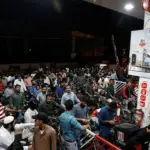
In Sindh, the government has announced a monthly subsidy of Rs. 2,000 for registered motorcyclists. Sindh Chief Minister Murad Ali Shah stated that the subsidy aims to ease the burden on daily commuters as petrol would not be available at lower rates at fuel stations. This comes in light of a cumulative increase in petrol prices within a month, which stands at 63%.
To further support residents, the Punjab Chief Minister has also announced free public transport for the next 30 days, with the Ministry of Interior set to bear the estimated cost of Rs. 350 million for this initiative. Maryam Nawaz Sharif expressed her satisfaction with the relief package, calling it a massive support measure for the people of Punjab.
Observers note that these subsidies are structured as short-term economic support measures focused on mobility costs, reflecting the government’s response to the rising cost of living and transportation expenses.