









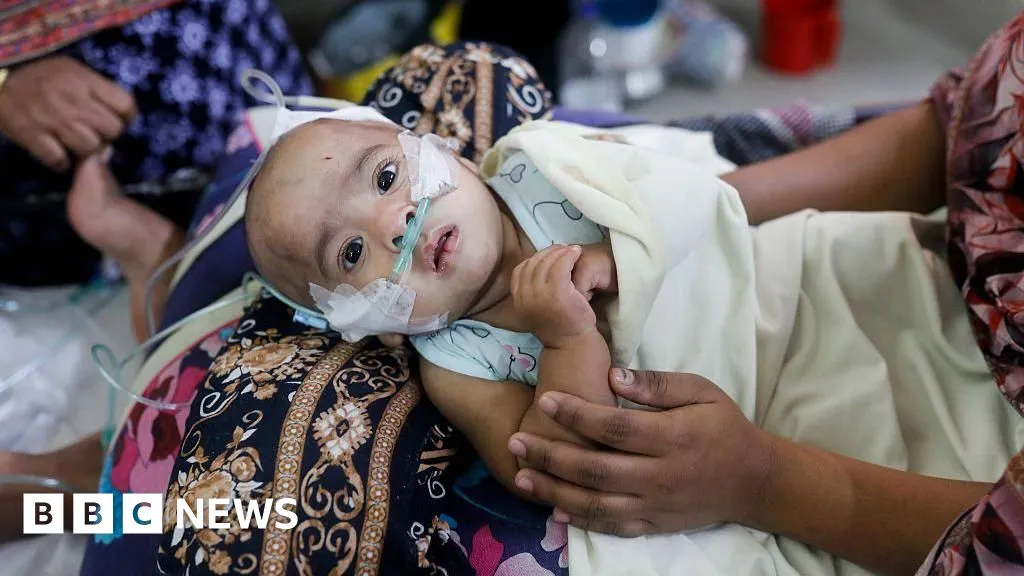
What are the implications of falling vaccination rates and ongoing protests in Iran on public health and family relationships? Recent reports indicate that vaccination rates are declining, leading to a resurgence of measles in various parts of the world. In fact, the years 2024 and 2025 have witnessed the highest number of measles outbreaks in over two decades, according to a report from The Lancet, a reputable medical journal.
The alarming rise in measles cases is attributed to a significant drop in vaccination coverage, which has left populations vulnerable to outbreaks. This situation is particularly concerning as measles is a highly contagious disease that can lead to severe health complications.
Simultaneously, Iran is experiencing a wave of protests that have sparked divisions within families. The ongoing unrest has created differing opinions among family members regarding the government’s actions and the protests themselves. An unnamed family member expressed frustration, stating, “You haven’t lost anyone [during the protests], that’s why you are against the strikes.” This sentiment reflects the deep personal impact of the protests, as families grapple with contrasting views on the situation.
Another family member remarked, “If they [the regime] had killed one of your friends or relatives [during the protests] you would have a different opinion,” highlighting the emotional weight of personal loss in shaping perspectives on the protests.
The intersection of these two issues—measles outbreaks and familial divisions in Iran—underscores a broader narrative about public health and social stability. As vaccination rates decline, the risk of disease outbreaks increases, which can further strain already tense social dynamics.
As the world grapples with these challenges, it remains crucial to address the root causes of declining vaccination rates and to foster dialogue within families affected by political unrest. The ongoing situation in Iran serves as a poignant reminder of how public health and social issues can intertwine, affecting individuals and communities on multiple levels.
Details remain unconfirmed regarding the full extent of the measles outbreaks and the long-term implications of family divisions in Iran. However, the current trends highlight the urgent need for effective public health strategies and community engagement to mitigate these crises.