






Introduction
The recent election results from Bangladesh have drawn significant attention locally and internationally, highlighting the political climate in one of South Asia’s most densely populated nations. Understanding these election results is crucial as they set the stage for future governance, economic policies, and international relations in Bangladesh.
2023 Election Overview
The national elections, held on January 7, 2023, were marked by a high voter turnout and were widely regarded as a pivotal moment in the country’s democratic journey. The election was contested amidst allegations of political violence and concerns over the fairness of the process. The Awami League, led by Prime Minister Sheikh Hasina, faced stiff competition from the Bangladesh Nationalist Party (BNP) and various other political factions.
Key Results
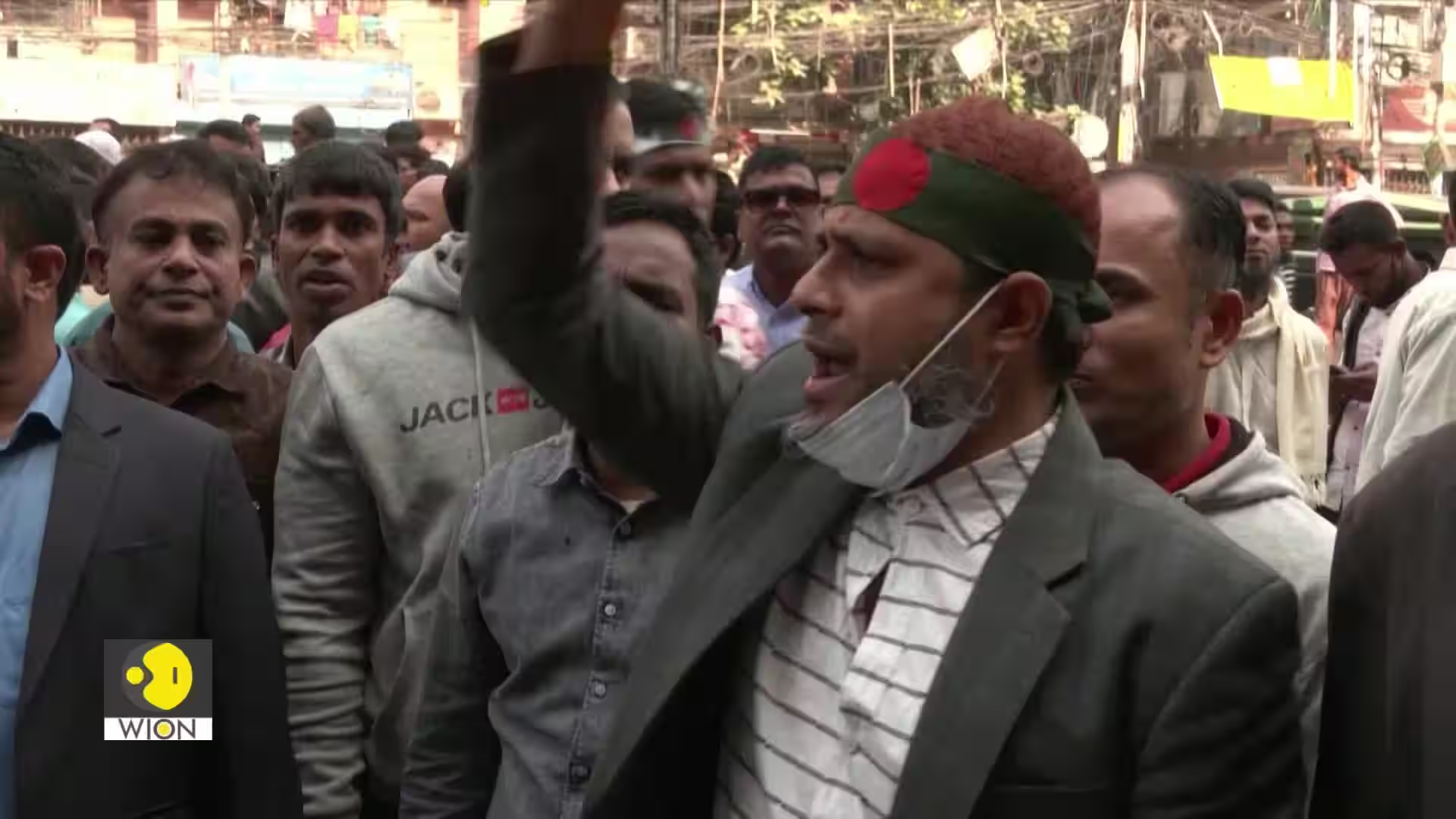
After the ballots were counted, the Awami League was declared the winner, securing approximately 180 out of 300 parliamentary seats. Despite the victory, the party’s dominance faced substantial challenges; reports indicated that the BNP and its allies won noteworthy seats, indicating a shift in voter sentiment. In several constituencies, there were incidents of protests and disputes over the vote-counting process, raising questions about electoral integrity.
Reactions and Analysis
International observers noted the complexities surrounding the election results, with many calling for an independent investigation into reported irregularities. Political analysts suggest that while the Awami League has retained control, the increased support for opposition parties may influence future policymaking and could encourage more vibrant political discourse in Bangladesh. The opposition’s ability to mobilise young voters and disenfranchised citizens signifies a growing demand for political accountability and reform.
Conclusion
The Bangladesh election results of 2023 signify a turning point that could reshape the nation’s political landscape. As the Awami League begins another term, it will need to address the concerns raised by the electorate and the international community regarding democracy and governance. Moving forward, analysts anticipate that the political dynamics within Bangladesh will evolve, leading to potential negotiations and dialogue among parties aimed at fostering a more inclusive political environment. For readers, keeping track of these developments is essential, as they will significantly impact Bangladesh’s future on various fronts, including social policies, economic strategies, and international relations.