









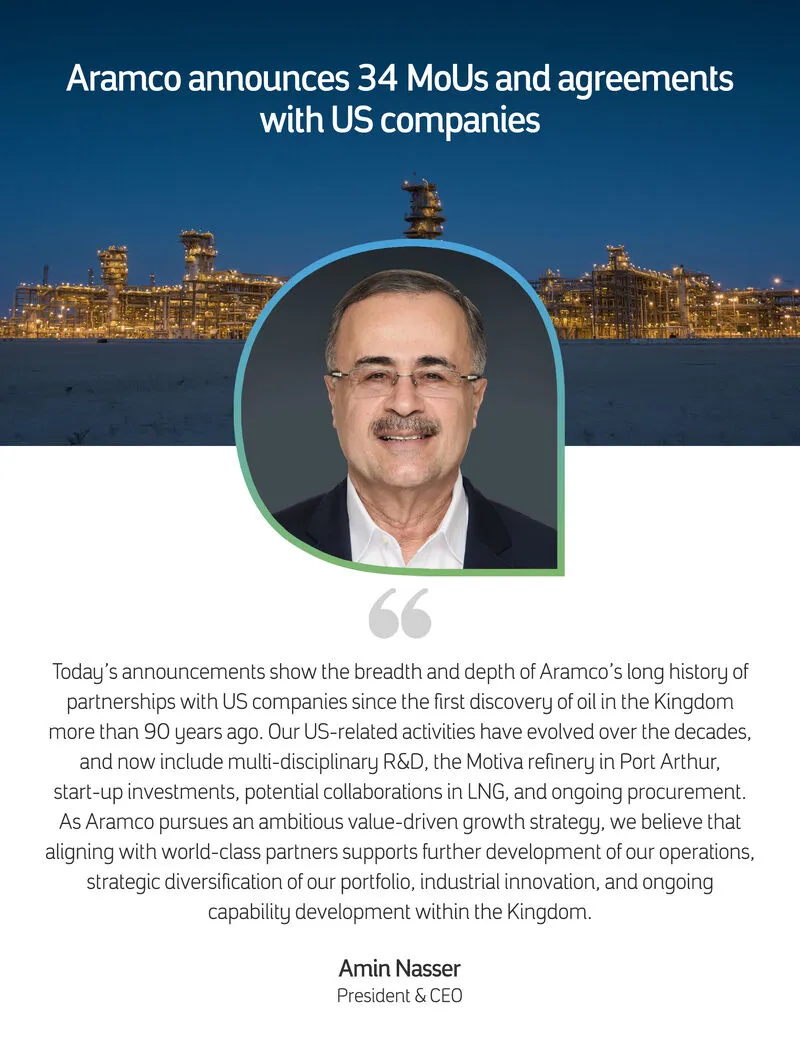
Saudi Aramco, the state-owned energy company based in Dhahran, Saudi Arabia, has emerged as the world’s largest oil producer and, as of 2024, the most profitable company in any industry. This status not only underscores the company’s significant role in the global energy market but also highlights the economic stakes involved for Saudi Arabia, which relies heavily on oil revenues for its national budget.
The roots of Saudi Aramco trace back to 1933 when the Saudi government granted oil exploration rights to what is now Chevron. Originally founded as the California Arabian Standard Oil Company (CASOC), the company underwent several transformations, culminating in full ownership by the Saudi government in 1980. As of 2025, the Saudi government holds more than 81% of Aramco, reflecting its strategic importance to the nation.
Aramco’s operational scale is immense, with over 250 billion barrels of proven reserves, the largest total of any company worldwide. This vast reserve base has enabled the company to post record net income figures, including an impressive $161.1 billion in 2022. Furthermore, from 2016 to 2024, Aramco generated a staggering $800 billion in net income, underscoring its financial dominance in the energy sector.
In addition to its core oil production activities, Aramco has been actively investing in technology and innovation. Recently, Aramco Ventures participated in a $36 million funding round for Via Separations, a company focused on thermal separations technology. This technology is considered one of the largest and least-addressed sources of industrial energy consumption, as noted by Mike Bishop, a representative from Via Separations. Tibor Toth from Aramco Ventures emphasized the company’s commitment to investing in differentiated technologies that can deliver operational value at scale.
However, the geopolitical landscape surrounding Aramco is fraught with tension. The Islamic Revolutionary Guard Corps (IRGC) has targeted Saudi Arabia’s petrochemical infrastructure, launching retaliatory actions against facilities linked to Aramco. This escalation in hostilities is a response to reported explosions at Iran’s Asaluyeh petrochemical plants, indicating a complex interplay of regional politics and energy security.
The Sadara petrochemical complex, a joint venture between Saudi Aramco and Dow Chemical, exemplifies the company’s efforts to diversify its operations beyond oil. This facility is part of a broader strategy to enhance the petrochemical sector, which is crucial for the kingdom’s economic diversification plans.
Saudi Aramco’s influence extends beyond its production capabilities; it plays a pivotal role in shaping global energy markets and geopolitical dynamics. As the company continues to innovate and expand its operations, the implications for both the Saudi economy and international relations remain significant. Details remain unconfirmed regarding the full impact of recent geopolitical tensions on Aramco’s operations and future projects.